
The Intersection of Wellness and Financial Wellness in Long-Term Investment Planning


 Aime Summary
The Financial Literacy Gap and the Role of Advisors
A stark divide exists between the financial preparedness of high-net-worth individuals and the general population. According to a report, 77% of American millionaires know precisely how much they need to retire comfortably, compared to just 45% of the general population. This disparity is partly explained by the widespread use of financial advisors: 74% of millionaires work with one, enabling them to retire earlier (average age 63) than those without advisors (65). Advisors also play a pivotal role in addressing long-term care needs, a critical but often overlooked component of retirement planning. The 2025 Planning & Progress Study by Northwestern Mutual reveals that 61% of Americans expect to require long-term care, yet only 42% of older adults have financially planned for it. Advisors help bridge this gap by stress-testing retirement plans against rising healthcare costs, which could exceed $500,000 for at-home care by 2058.
Wellness as a Catalyst for Better Financial Decisions
Emerging evidence suggests that physical and mental well-being directly influence financial decision-making. A 2025 MassMutual study found that 80% of Americans report making better financial choices when they prioritize their health. This aligns with broader employer trends: financial wellness has become the second-highest priority for U.S. employers, trailing only emotional well-being. Programs integrating budgeting tools and mental health support have been shown to reduce financial stress-a known contributor to chronic conditions like hypertension and depression. For retirees, this synergy is particularly potent. For instance, health savings accounts (HSAs) not only mitigate medical expenses but also serve as tax-advantaged vehicles for long-term savings, illustrating how wellness and finance can be strategically aligned.
Case Studies: Integrating Lifestyle and Financial Planning
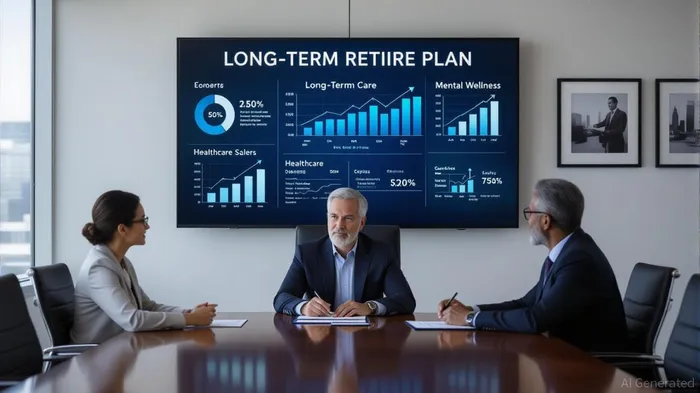
Real-world examples highlight the value of holistic planning. Consider Paul and Linda, a couple within five years of retirement, who worked with a planner to align their financial strategy with wellness goals. Their plan included optimizing investments, tax strategies, and a focus on remaining socially active post-retirement. Similarly, Sarah, a retiree, prioritized healthcare cost management and tax-efficient income streams while retaining flexibility for travel and family time. These cases underscore that retirement readiness is not merely about accumulating assets but about designing a life that balances financial security with personal fulfillment.
The Emotional Dimension of Retirement Readiness
While financial metrics often dominate retirement discussions, emotional readiness remains a critical blind spot. The 2025 Trends in Retirement Planning survey by the Financial Planning Association reveals that only 11% of financial planners believe their clients are emotionally prepared for retirement, despite 50% deeming them financially ready. Concerns such as identity loss and fear of outliving savings necessitate a holistic approach that includes mental health resources and gradual transitions into retirement. Employers are increasingly recognizing this, with SECURE 2.0 provisions and lifetime income solutions gaining traction as tools to address both financial and emotional preparedness.
Policy and Employer Innovations
Policymakers and employers are pivotal in fostering this integration. The 2025 Hot Topics in Retirement report highlights how workplace retirement plans, when paired with financial coaching and personalized tools, nearly double retirement readiness. Innovations like earned wage access and digital financial platforms further empower employees to manage stress and build savings. For younger generations, who face significant debt burdens, improved plan design and broader access to defined contribution plans are key to bridging the retirement security gap.
Conclusion
The intersection of wellness and financial wellness is reshaping retirement planning from a purely quantitative exercise into a multidimensional strategy. As the data demonstrates, those who prioritize both their health and their finances are better positioned to navigate the uncertainties of aging. For investors, this means rethinking traditional portfolios to include not just stocks and bonds but also proactive health management, emotional resilience, and employer-driven wellness initiatives. In an era of rising longevity and healthcare costs, the most successful retirement strategies will be those that harmonize the body, mind, and markets.

Blending traditional trading wisdom with cutting-edge cryptocurrency insights.
Latest Articles
Stay ahead of the market.
Get curated U.S. market news, insights and key dates delivered to your inbox.






Comments
No comments yet