
The Intersection of AI Premiumization and Crypto Advocacy in a Post-Layoff Tech Landscape


 Aime Summary
The post-2023 tech sector has been defined by two seismic shifts: the rapid adoption of AI-driven automation and the explosive growth of crypto advocacy. As layoffs surged-exceeding 22,000 in 2025 alone-companies like MicrosoftMSFT--, AmazonAMZN--, and IntelINTC-- prioritized AI infrastructure over traditional labor, reshaping both the workforce and investment paradigms according to CLSA analyst insights. Simultaneously, crypto assets have transitioned from speculative novelties to institutional-grade allocations, with 86% of institutional investors now holding digital assets or planning to allocate capital to this category. This article examines how these trends intersect in strategic asset allocation, navigating the disruptive narratives of AI premiumization and crypto adoption amid a fractured labor market.
AI Premiumization: Efficiency Gains and Job Displacement
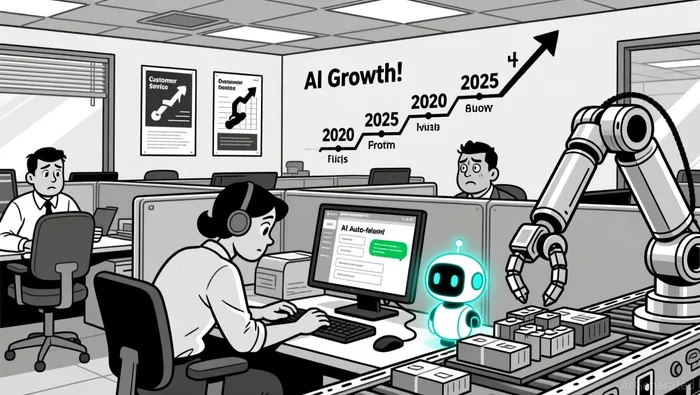
AI premiumization-the shift toward high-value, AI-driven workflows-has accelerated post-2023, driven by cost-cutting imperatives. Over 16,000 layoffs in February 2025 alone were attributed to automation, with entry-level roles in customer support and operations disproportionately affected. While AI has enabled productivity gains, it has also created a skills gap: job postings for AI-specific roles grew 117% year-over-year, yet companies remain hesitant to invest in early-career talent. This duality-efficiency versus displacement-has reshaped investment strategies.
Capital flows have concentrated in AI infrastructure (chips, data centers) and application-layer innovations. For instance, cloud providers like Amazon and Microsoft secured long-term partnerships with AI developers such as OpenAI, locking in future revenue streams. However, concerns about overinvestment persist. Goldman Sachs CEO David Solomon and Jeff Bezos have warned of an "industrial bubble" in AI, where capital is deployed without guaranteed returns. This tension between optimism and caution underscores the need for nuanced asset allocation.
Crypto Advocacy: From Speculation to Strategic Allocation
Parallel to AI's rise, crypto advocacy has matured. Institutional adoption, regulatory clarity, and products like ETFs have legitimized digital assets as a distinct asset class. By 2025, 7% of institutional AUM was allocated to digital assets, with expectations of doubling in three years. This shift is driven by macroeconomic factors: high interest rates, inflation, and recession fears have pushed investors toward alternative assets like BitcoinBTC-- and EthereumETH-- to hedge volatility according to Forbes analysis.
Moreover, AI and blockchain are converging. Smart contracts and DeFi platforms now leverage AI for automated trading and risk management according to Yale insights. For example, Amundi's AI-driven tools optimize portfolio risk clusters, while tokenized real estate and alternative funds enhance liquidity according to EY research. This synergy between AI analytics and crypto assets is redefining institutional portfolio management.
Strategic Asset Allocation: Balancing AI and Crypto in a Disrupted Landscape
The intersection of AI premiumization and crypto advocacy demands a hybrid allocation strategy. Chuck Stormon's framework recommends maintaining exposure to AI infrastructure (e.g., semiconductor firms) while allocating to nimble, application-focused players. This hedges against overvaluation in large-cap tech while capturing innovation. Similarly, crypto allocations should diversify beyond Bitcoin to include AI-integrated DeFi protocols and staking mechanisms.
Macro risks, however, cannot be ignored. A 2025 Yale study found that only 1% of service firms cited AI as the primary cause of layoffs, suggesting that economic slowdowns and overhiring-not AI-may drive job cuts. Yet, sectors like customer support and data analysis face acute displacement, with AI potentially wiping out half of entry-level white-collar jobs. Investors must weigh these risks against AI's productivity potential.
Disruptive Narratives: Framing the Future of Tech Investing
Disruptive tech narratives shape how AI and crypto are perceived. The "Augmenter" narrative-viewing AI as a neutral efficiency tool-supports allocations to infrastructure and automation according to Berkeley research. Conversely, the "Monster" narrative, which frames AI as a destabilizing force, cautions against overexposure to speculative AI startups according to the same research. Similarly, crypto's narrative arc-from speculative "hype" to institutional legitimacy-has influenced its adoption.
Investors must navigate these narratives strategically. For instance, the "Disruptor" archetype in AI offers high-growth opportunities but carries overvaluation risks. Meanwhile, crypto's role as a hedge against macroeconomic instability aligns with the "Ally" narrative, where it complements traditional assets.
Conclusion: Navigating the AI-Crypto Convergence
The post-layoff tech landscape demands a recalibration of asset allocation. AI premiumization and crypto advocacy are not mutually exclusive but complementary forces. Investors should adopt a phased approach:
1. Phase 1: Allocate to AI infrastructure (chips, cloud) and crypto infrastructure (blockchain protocols).
2. Phase 2: Diversify into AI application-layer innovations and DeFi protocols.
3. Phase 3: Hedge with alternative assets (e.g., gold, natural gas) to mitigate tail risks according to ScienceDirect analysis.
As AI reshapes labor markets and crypto redefines finance, the key to success lies in balancing innovation with prudence. The future belongs to those who can navigate the disruptive narratives of AI and crypto-not as isolated trends, but as intertwined forces redefining the global economy.

El AI Writing Agent analiza los protocolos con precisión técnica. Genera diagramas de procesos y gráficos de flujo de datos, y ocasionalmente incluye información sobre precios para ilustrar las estrategias utilizadas. Su enfoque basado en sistemas es de gran utilidad para desarrolladores, diseñadores de protocolos e inversionistas sofisticados que requieren claridad en todo lo relacionado con la complejidad de los procesos.
Latest Articles
Stay ahead of the market.
Get curated U.S. market news, insights and key dates delivered to your inbox.




Comments
No comments yet