
Internet Computer Announces 70% Inflation Reduction Plan by 2026
 Aime Summary
- The DFINITY Foundation has announced a plan to reduce ICP token inflation by 70% by the end of 2026 through a dual strategy outlined in the MISSION70 whitepaper.
- The plan includes supply-side measures, which will cut inflation by 44%, and demand-side measures, which aim to reduce inflation by an additional 26% through increased network activity.
- On-chain data indicates strong investor confidence in the strategy, with declining ICP exchange balances and increased transaction volumes observed.
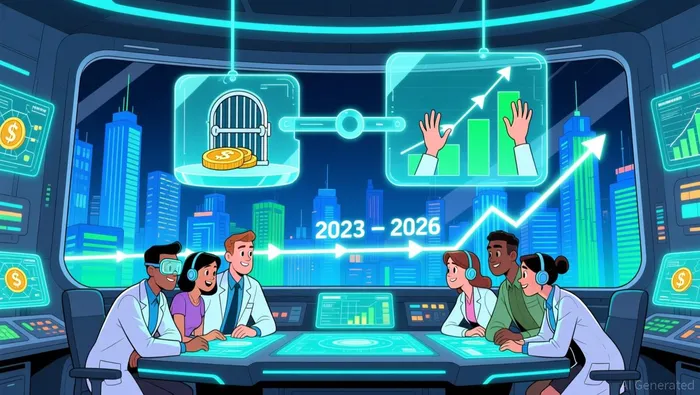
The MISSION70 whitepaper outlines structural reforms such as lowering voting and node provider rewards, capping reward pools, and introducing simpler mechanisms to reduce inflation from 9.72% to approximately 2.92% by the end of 2026. These reforms aim to make the network more sustainable while maintaining security and operational efficiency.
DFINITY argues that current node provider rewards exceed infrastructure costs, providing flexibility to reduce payouts without compromising network health. The foundation also plans to leverage AI-powered applications and cloud engine products to boost network usage and create deflationary pressure through computational fees.
How Will the Strategy Impact Token Supply and Demand?
The supply-side strategy involves simplifying reward mechanisms and reducing minting rates, which will cut inflation by 44%. This includes adjustments such as lowering rewards for voting and node providers and shortening neuron dissolve delays to reinforce deflationary dynamics.
The remaining 26% reduction in inflation will depend on increased network activity and demand. DFINITY expects this to be driven by AI-powered applications and cloud engine products, which are expected to burn more ICP and create deflationary pressure.
What Do Analysts and Investors Think of the Plan?
Analysts remain optimistic about the plan but caution about overbought conditions and the sustainability of the rally. On-chain metrics suggest strong investor confidence, with declining exchange balances and increased transaction volumes indicating positive sentiment.
However, the success of the demand-side strategy remains uncertain, as it depends on user adoption and the performance of AI-powered applications and cloud engine products according to analysis. Analysts are monitoring these developments closely to assess their long-term impact on the ICPICP-- token's value and network activity.
The MISSION70 whitepaper also emphasizes the importance of maintaining network security and efficiency while reducing inflation. By aligning supply-side and demand-side measures, the plan aims to create a more sustainable and attractive economic model for the Internet Computer.
What Are the Key Structural Reforms in MISSION70?
Key structural reforms in the MISSION70 plan include shortening the neuron dissolve delay, reducing minting rates, and increasing the cycle burn rate. These changes are designed to reinforce deflationary dynamics and reduce the overall supply of ICP tokens over time.
DFINITY also plans to introduce simpler maturity modulation mechanisms, which will help streamline the network's operations and reduce inefficiencies. These reforms are expected to support long-term growth and stability while maintaining the network's security and performance.
The combination of these supply-side and demand-side strategies is intended to create a more balanced and sustainable ecosystem for the Internet Computer. By focusing on reducing inflation and increasing token demand, the plan aims to attract more users, developers, and investors to the platform.
The success of MISSION70 will depend on the implementation and adoption of these reforms. If executed effectively, the plan could significantly improve the token economics of the Internet Computer and enhance its appeal to the broader market.

Blending traditional trading wisdom with cutting-edge cryptocurrency insights.
Latest Articles
Stay ahead of the market.
Get curated U.S. market news, insights and key dates delivered to your inbox.






Comments
No comments yet