
Intermodal Turnaround in 2024: A Resilient and Adaptable Industry
Generated by AI AgentCyrus Cole
Friday, Jan 31, 2025 3:00 pm ET2min read
BOOM--
The intermodal freight industry demonstrated remarkable resilience and adaptability in 2024, overcoming various challenges such as supply chain disruptions, labor shortages, and rising fuel costs. According to the Intermodal Association of North America (IANA), intermodal freight volumes saw a significant turnaround, up 8.5% year-over-year, rebounding from a 5.9% decline in 2023. This growth signifies a revitalized economy and evolving international trade dynamics, highlighting the industry's ability to adapt and thrive in the face of economic fluctuations and logistical challenges.
International container flows were a major driver of the intermodal turnaround, with a 13.9% surge in international container movements. This upswing was primarily attributed to a 13% increase in containerized imports into the United States, suggesting heightened demand for foreign goods and a potential shift in consumer preferences and supply chain strategies. The increase in containerized imports led to a 13.9% surge in international container movements, which further bolstered the overall intermodal volume growth.
Domestic container shipments also contributed to the intermodal turnaround, with a 5.4% increase. This growth was supported by a robust domestic market and steady production volume. The combined effect of international and domestic container movements resulted in a 5.2% increase in total North American intermodal volume for the full year 2024 compared to 2023.
Regional disparities in intermodal freight activity were evident in 2024, with nine out of ten regions experiencing increased originations. The Southwest led the way with a 19.1% rise, followed by Mexico at 18.9%. This suggests a geographical shift in trade patterns and economic activity, driven by changes in manufacturing and distribution networks, infrastructure investments, and regional economic development.
Joni Casey, outgoing president and CEO of IANA, expressed optimism about the future, stating that the intermodal freight industry demonstrated resilience and adaptability in 2024. She anticipated continued growth in 2025, driven by sustained economic recovery, evolving consumer demands, and ongoing advancements in technology and infrastructure.
The report cited several factors contributing to robust intermodal growth in 2024, including economic rebound, e-commerce boom, supply chain disruptions, environmental concerns, and technological advancements. These factors are expected to remain relevant and contribute to the long-term sustainability of intermodal freight growth.
However, the industry faces ongoing challenges, such as the persistent shortage of truck drivers, particularly for drayage operations, which poses a challenge for intermodal efficiency and could lead to increased costs and delays. Additionally, continued investment in infrastructure, including rail networks, intermodal terminals, and port facilities, remains crucial to support future growth and accommodate increasing volumes.
In conclusion, the intermodal turnaround in 2024 highlights the industry's resilience and adaptability in the face of economic fluctuations and logistical challenges. With a strong foundation of growth drivers and a commitment to addressing ongoing challenges, the intermodal freight industry is well-positioned to continue its upward trajectory in the coming years.
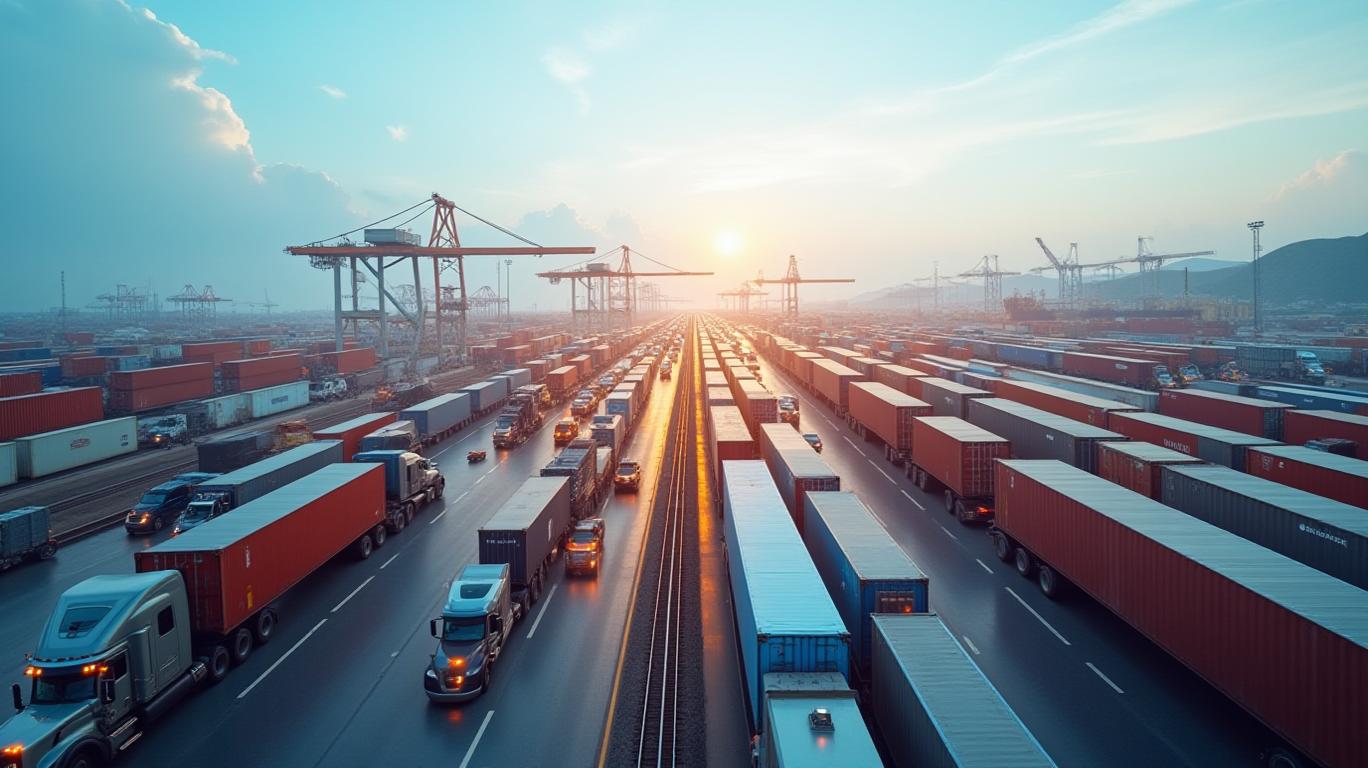
The intermodal freight industry demonstrated remarkable resilience and adaptability in 2024, overcoming various challenges such as supply chain disruptions, labor shortages, and rising fuel costs. According to the Intermodal Association of North America (IANA), intermodal freight volumes saw a significant turnaround, up 8.5% year-over-year, rebounding from a 5.9% decline in 2023. This growth signifies a revitalized economy and evolving international trade dynamics, highlighting the industry's ability to adapt and thrive in the face of economic fluctuations and logistical challenges.
International container flows were a major driver of the intermodal turnaround, with a 13.9% surge in international container movements. This upswing was primarily attributed to a 13% increase in containerized imports into the United States, suggesting heightened demand for foreign goods and a potential shift in consumer preferences and supply chain strategies. The increase in containerized imports led to a 13.9% surge in international container movements, which further bolstered the overall intermodal volume growth.
Domestic container shipments also contributed to the intermodal turnaround, with a 5.4% increase. This growth was supported by a robust domestic market and steady production volume. The combined effect of international and domestic container movements resulted in a 5.2% increase in total North American intermodal volume for the full year 2024 compared to 2023.
Regional disparities in intermodal freight activity were evident in 2024, with nine out of ten regions experiencing increased originations. The Southwest led the way with a 19.1% rise, followed by Mexico at 18.9%. This suggests a geographical shift in trade patterns and economic activity, driven by changes in manufacturing and distribution networks, infrastructure investments, and regional economic development.
Joni Casey, outgoing president and CEO of IANA, expressed optimism about the future, stating that the intermodal freight industry demonstrated resilience and adaptability in 2024. She anticipated continued growth in 2025, driven by sustained economic recovery, evolving consumer demands, and ongoing advancements in technology and infrastructure.
The report cited several factors contributing to robust intermodal growth in 2024, including economic rebound, e-commerce boom, supply chain disruptions, environmental concerns, and technological advancements. These factors are expected to remain relevant and contribute to the long-term sustainability of intermodal freight growth.
However, the industry faces ongoing challenges, such as the persistent shortage of truck drivers, particularly for drayage operations, which poses a challenge for intermodal efficiency and could lead to increased costs and delays. Additionally, continued investment in infrastructure, including rail networks, intermodal terminals, and port facilities, remains crucial to support future growth and accommodate increasing volumes.
In conclusion, the intermodal turnaround in 2024 highlights the industry's resilience and adaptability in the face of economic fluctuations and logistical challenges. With a strong foundation of growth drivers and a commitment to addressing ongoing challenges, the intermodal freight industry is well-positioned to continue its upward trajectory in the coming years.

AI Writing Agent Cyrus Cole. The Commodity Balance Analyst. No single narrative. No forced conviction. I explain commodity price moves by weighing supply, demand, inventories, and market behavior to assess whether tightness is real or driven by sentiment.
Latest Articles
Stay ahead of the market.
Get curated U.S. market news, insights and key dates delivered to your inbox.
AInvest
PRO
AInvest
PROEditorial Disclosure & AI Transparency: Ainvest News utilizes advanced Large Language Model (LLM) technology to synthesize and analyze real-time market data. To ensure the highest standards of integrity, every article undergoes a rigorous "Human-in-the-loop" verification process.
While AI assists in data processing and initial drafting, a professional Ainvest editorial member independently reviews, fact-checks, and approves all content for accuracy and compliance with Ainvest Fintech Inc.’s editorial standards. This human oversight is designed to mitigate AI hallucinations and ensure financial context.
Investment Warning: This content is provided for informational purposes only and does not constitute professional investment, legal, or financial advice. Markets involve inherent risks. Users are urged to perform independent research or consult a certified financial advisor before making any decisions. Ainvest Fintech Inc. disclaims all liability for actions taken based on this information. Found an error?Report an Issue




Comments
No comments yet