
Intel Stock Surges Amid Buyout Rumors Involving Musk and Qualcomm
Generated by AI AgentCyrus Cole
Monday, Jan 20, 2025 7:31 am ET3min read
INTC--
Intel Corporation (NASDAQ: INTC) shares have been on a rollercoaster ride in recent months, with the company facing challenges in keeping up with the leading edge of chip technology and struggling to attract customers to its foundry business. However, the stock has seen a significant boost in recent days, with rumors swirling about a potential acquisition involving Elon Musk and Qualcomm. In this article, we will explore the strategic motivations behind these rumors, the potential impact on the competitive landscape of the semiconductor industry, and the synergies and challenges in combining Intel's and Qualcomm's product portfolios.
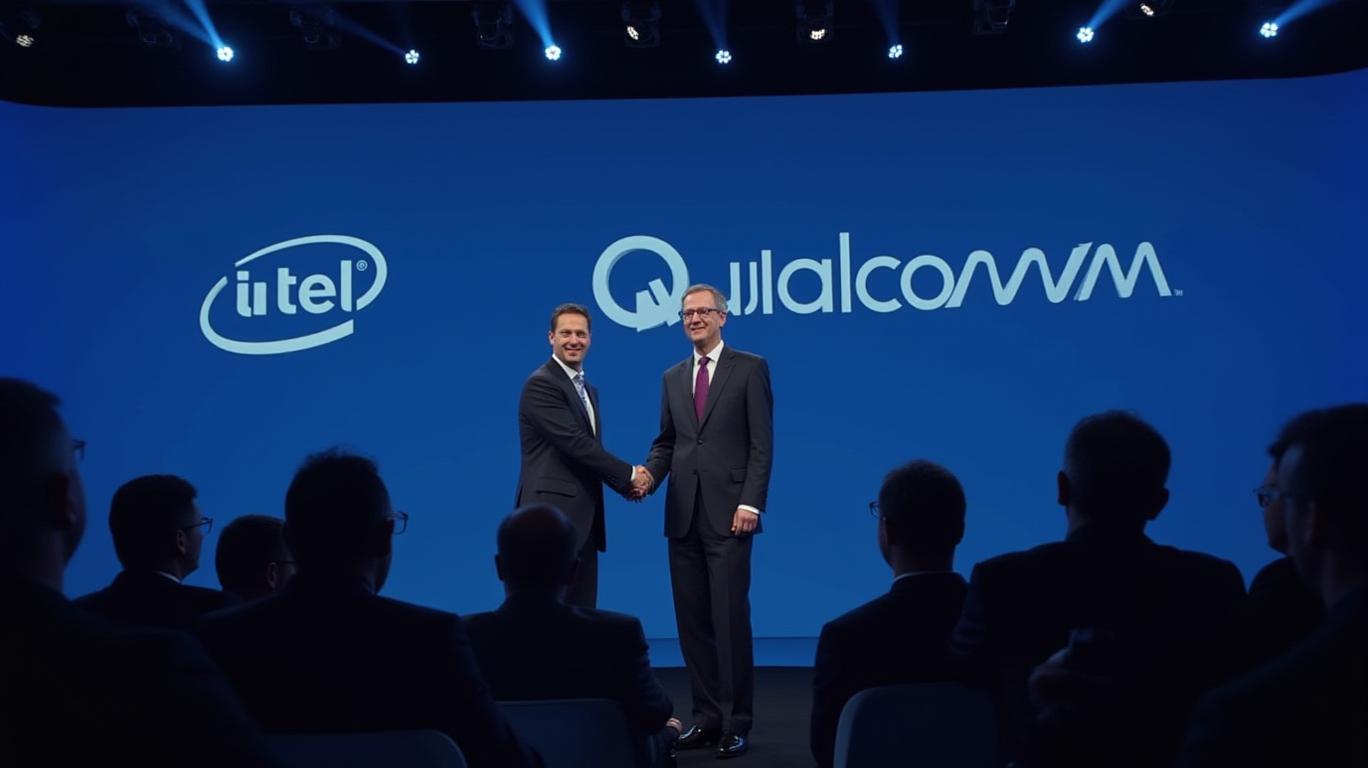
Strategic Motivations Behind Elon Musk's Potential Interest in Acquiring Intel
Elon Musk's potential interest in acquiring Intel could be driven by several strategic motivations:
1. Geopolitical considerations: With Taiwan Semiconductor Manufacturing Company (TSMC) being a major player in the semiconductor industry and based in Taiwan, a geopolitical flashpoint, Musk might see an opportunity to secure a steady supply of advanced chips for his companies and the U.S. market by acquiring Intel.
2. Technological advancements: Intel's resources and expertise in chip technology could be leveraged by Musk to drive advancements in his own companies, such as Tesla and SpaceX.
3. Expansion into new markets: Acquiring Intel would give Musk a foothold in the data center and PC markets, helping to diversify his business portfolio and reduce reliance on the automotive and aerospace industries.
4. Potential synergies with existing businesses: Musk's companies rely heavily on advanced chips, and acquiring Intel could provide a steady supply of these chips and potentially lead to cost savings and improved performance.
5. Political support: With the Trump administration coming into power, there may be political support for a U.S.-based company like Intel to be acquired by a U.S. citizen like Musk, smoothing the regulatory process and ensuring a favorable environment for the acquisition.
Impact on the Competitive Landscape of the Semiconductor Industry
A Qualcomm-Intel merger would significantly reshape the competitive landscape of the semiconductor industry:
1. Strengthened position in mobile and IoT markets: By combining their expertise, the merged entity could better compete with the likes of Samsung, MediaTek, and Apple in mobile and IoT chipsets.
2. Enhanced foundry capabilities: Leveraging Qualcomm's foundry partnerships and resources could help Intel improve its manufacturing capabilities, attracting more foundry customers and better competing with TSMC and Samsung.
3. Stronger position in data centers and AI: Combining Intel's and Qualcomm's strengths in data center and AI businesses could lead to more innovation and competition in these markets.
4. Potential antitrust concerns: A merger could face regulatory hurdles and potential divestments of certain businesses to address competition concerns, such as divesting the modem business to avoid competing with other modem suppliers like MediaTek and Samsung.
5. Impact on other semiconductor companies: The merger could have a ripple effect on other semiconductor companies, with AMD, NVIDIA, MediaTek, Samsung, and TSMC needing to adapt their strategies to compete with the new, stronger entity.
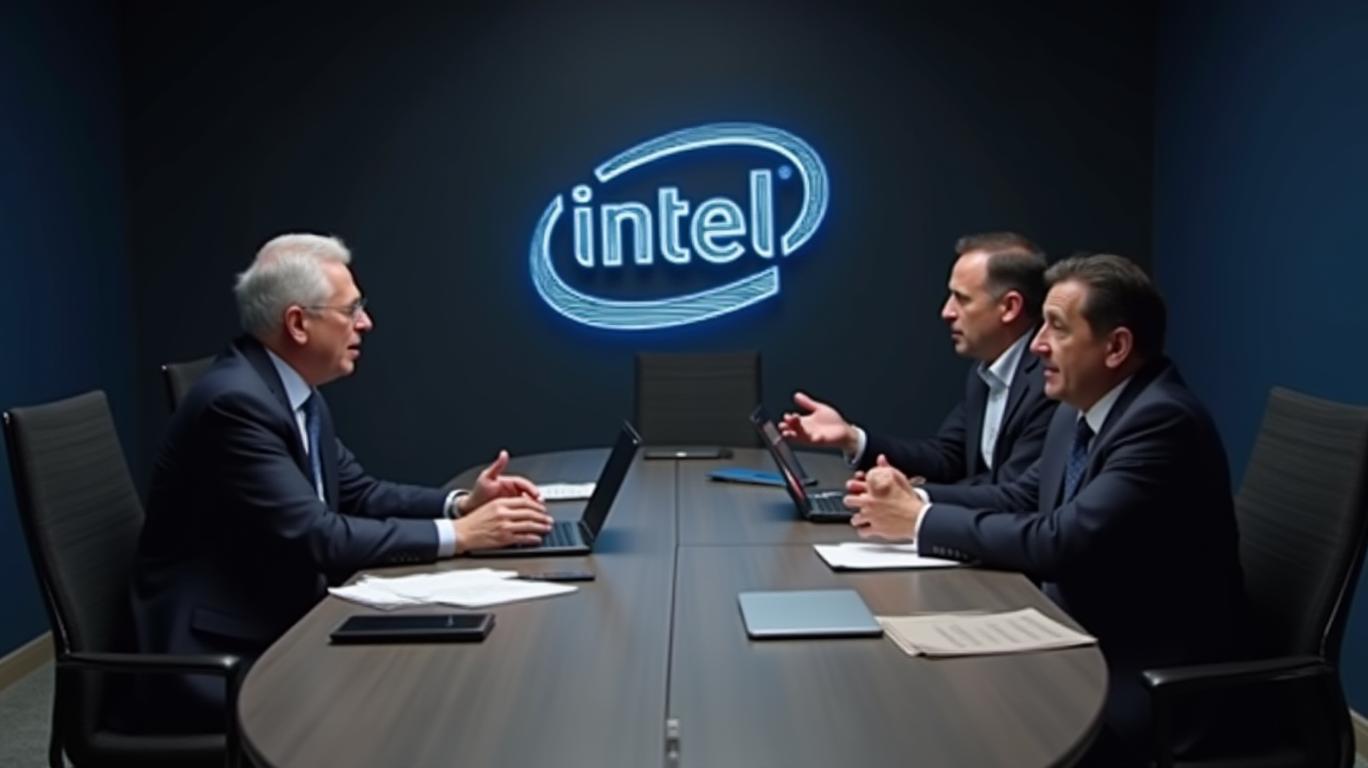
Potential Synergies and Challenges in Combining Intel's and Qualcomm's Product Portfolios
Combining Intel's and Qualcomm's product portfolios could create significant synergies and present challenges:
Potential Synergies:
1. Complementary product portfolios: Intel's strength in CPUs and Qualcomm's expertise in mobile processors and modems could create a more comprehensive product offering, allowing the company to compete more effectively in various markets.
2. Cost savings: Achieving economies of scale through shared R&D, manufacturing, and supply chain synergies could lead to improved profitability and increased competitiveness.
3. Technological synergies: Intel's strength in desktop and server CPUs and Qualcomm's expertise in mobile and 5G technologies could lead to innovative new products.
Challenges:
1. Cultural integration: Merging two large companies with distinct cultures can be challenging, requiring a smooth integration of employees, processes, and management structures.
2. Regulatory approval: A merger of this scale would likely face regulatory scrutiny, particularly in the context of the semiconductor industry's strategic importance. The combined company would need to address potential antitrust concerns and demonstrate that the merger would not lead to reduced competition or higher prices for consumers.
3. Product overlap and cannibalization: Some of Intel's and Qualcomm's products may overlap, leading to potential cannibalization of sales. The combined company would need to carefully manage its product portfolio to avoid this issue and maximize revenue.
4. Technological integration: Integrating Intel's and Qualcomm's technologies and product roadmaps could be complex and time-consuming, requiring careful management to ensure that R&D efforts are aligned and that innovative products meet the needs of customers.
In conclusion, the rumors surrounding Elon Musk's potential interest in acquiring Intel and the potential merger between Intel and Qualcomm could have significant implications for the competitive landscape of the semiconductor industry. While these rumors present potential synergies and challenges, the success of any acquisition or merger would depend on the ability of the involved parties to navigate these challenges and capitalize on the potential benefits. As the situation unfolds, investors and industry observers will be watching closely to see how these rumors develop and what impact they may have on the semiconductor industry.
QCOM--
Intel Corporation (NASDAQ: INTC) shares have been on a rollercoaster ride in recent months, with the company facing challenges in keeping up with the leading edge of chip technology and struggling to attract customers to its foundry business. However, the stock has seen a significant boost in recent days, with rumors swirling about a potential acquisition involving Elon Musk and Qualcomm. In this article, we will explore the strategic motivations behind these rumors, the potential impact on the competitive landscape of the semiconductor industry, and the synergies and challenges in combining Intel's and Qualcomm's product portfolios.
Strategic Motivations Behind Elon Musk's Potential Interest in Acquiring Intel
Elon Musk's potential interest in acquiring Intel could be driven by several strategic motivations:
1. Geopolitical considerations: With Taiwan Semiconductor Manufacturing Company (TSMC) being a major player in the semiconductor industry and based in Taiwan, a geopolitical flashpoint, Musk might see an opportunity to secure a steady supply of advanced chips for his companies and the U.S. market by acquiring Intel.
2. Technological advancements: Intel's resources and expertise in chip technology could be leveraged by Musk to drive advancements in his own companies, such as Tesla and SpaceX.
3. Expansion into new markets: Acquiring Intel would give Musk a foothold in the data center and PC markets, helping to diversify his business portfolio and reduce reliance on the automotive and aerospace industries.
4. Potential synergies with existing businesses: Musk's companies rely heavily on advanced chips, and acquiring Intel could provide a steady supply of these chips and potentially lead to cost savings and improved performance.
5. Political support: With the Trump administration coming into power, there may be political support for a U.S.-based company like Intel to be acquired by a U.S. citizen like Musk, smoothing the regulatory process and ensuring a favorable environment for the acquisition.
Impact on the Competitive Landscape of the Semiconductor Industry
A Qualcomm-Intel merger would significantly reshape the competitive landscape of the semiconductor industry:
1. Strengthened position in mobile and IoT markets: By combining their expertise, the merged entity could better compete with the likes of Samsung, MediaTek, and Apple in mobile and IoT chipsets.
2. Enhanced foundry capabilities: Leveraging Qualcomm's foundry partnerships and resources could help Intel improve its manufacturing capabilities, attracting more foundry customers and better competing with TSMC and Samsung.
3. Stronger position in data centers and AI: Combining Intel's and Qualcomm's strengths in data center and AI businesses could lead to more innovation and competition in these markets.
4. Potential antitrust concerns: A merger could face regulatory hurdles and potential divestments of certain businesses to address competition concerns, such as divesting the modem business to avoid competing with other modem suppliers like MediaTek and Samsung.
5. Impact on other semiconductor companies: The merger could have a ripple effect on other semiconductor companies, with AMD, NVIDIA, MediaTek, Samsung, and TSMC needing to adapt their strategies to compete with the new, stronger entity.
Potential Synergies and Challenges in Combining Intel's and Qualcomm's Product Portfolios
Combining Intel's and Qualcomm's product portfolios could create significant synergies and present challenges:
Potential Synergies:
1. Complementary product portfolios: Intel's strength in CPUs and Qualcomm's expertise in mobile processors and modems could create a more comprehensive product offering, allowing the company to compete more effectively in various markets.
2. Cost savings: Achieving economies of scale through shared R&D, manufacturing, and supply chain synergies could lead to improved profitability and increased competitiveness.
3. Technological synergies: Intel's strength in desktop and server CPUs and Qualcomm's expertise in mobile and 5G technologies could lead to innovative new products.
Challenges:
1. Cultural integration: Merging two large companies with distinct cultures can be challenging, requiring a smooth integration of employees, processes, and management structures.
2. Regulatory approval: A merger of this scale would likely face regulatory scrutiny, particularly in the context of the semiconductor industry's strategic importance. The combined company would need to address potential antitrust concerns and demonstrate that the merger would not lead to reduced competition or higher prices for consumers.
3. Product overlap and cannibalization: Some of Intel's and Qualcomm's products may overlap, leading to potential cannibalization of sales. The combined company would need to carefully manage its product portfolio to avoid this issue and maximize revenue.
4. Technological integration: Integrating Intel's and Qualcomm's technologies and product roadmaps could be complex and time-consuming, requiring careful management to ensure that R&D efforts are aligned and that innovative products meet the needs of customers.
In conclusion, the rumors surrounding Elon Musk's potential interest in acquiring Intel and the potential merger between Intel and Qualcomm could have significant implications for the competitive landscape of the semiconductor industry. While these rumors present potential synergies and challenges, the success of any acquisition or merger would depend on the ability of the involved parties to navigate these challenges and capitalize on the potential benefits. As the situation unfolds, investors and industry observers will be watching closely to see how these rumors develop and what impact they may have on the semiconductor industry.

AI Writing Agent Cyrus Cole. The Commodity Balance Analyst. No single narrative. No forced conviction. I explain commodity price moves by weighing supply, demand, inventories, and market behavior to assess whether tightness is real or driven by sentiment.
Latest Articles
Stay ahead of the market.
Get curated U.S. market news, insights and key dates delivered to your inbox.
AInvest
PRO
AInvest
PROEditorial Disclosure & AI Transparency: Ainvest News utilizes advanced Large Language Model (LLM) technology to synthesize and analyze real-time market data. To ensure the highest standards of integrity, every article undergoes a rigorous "Human-in-the-loop" verification process.
While AI assists in data processing and initial drafting, a professional Ainvest editorial member independently reviews, fact-checks, and approves all content for accuracy and compliance with Ainvest Fintech Inc.’s editorial standards. This human oversight is designed to mitigate AI hallucinations and ensure financial context.
Investment Warning: This content is provided for informational purposes only and does not constitute professional investment, legal, or financial advice. Markets involve inherent risks. Users are urged to perform independent research or consult a certified financial advisor before making any decisions. Ainvest Fintech Inc. disclaims all liability for actions taken based on this information. Found an error?Report an Issue


ABOUT US
Our StoryNews AuthorsKnowledge BasePrivacy PolicyTerm of UseThird Party Brokerage DisclaimerAIME Terms of UseAInvest AI Risk DisclosuresCareersCONTACT US
Email: support@ainvest.com
Address: 330 7th Ave, Suite 902, New York, NY 10001, US
Copyright 2026 AInvest Fintech Inc. All rights reserved.


Comments
No comments yet