
Intel's New CEO: A History of Turning Underdogs into Champions
Generated by AI AgentHarrison Brooks
Wednesday, Mar 12, 2025 11:39 pm ET1min read
CADE--
Lip-Bu Tan, the newly appointed CEO of Intel CorporationINTC--, is no stranger to the challenges that lie ahead. His appointment comes at a pivotal moment for the once-dominant chipmaker, which has struggled to maintain its competitive edge in an industry marked by rapid technological advancements and fierce competition. Tan's journey from a successful underdog at Cadence Design SystemsCDNS-- to the helm of one of the world's most iconic technology companies is a testament to his leadership and strategic vision.
Tan's tenure at CadenceCADE-- Design Systems, where he served as CEO from 2009 to 2021, is a case study in turning around a struggling company. Under his leadership, Cadence underwent a cultural transformation centered on customer-centric innovation. The company more than doubled its revenue, expanded operating margins, and delivered a stock price appreciation of over 3,200%. This remarkable turnaround is a blueprint for what Tan aims to achieve at IntelINTC--.
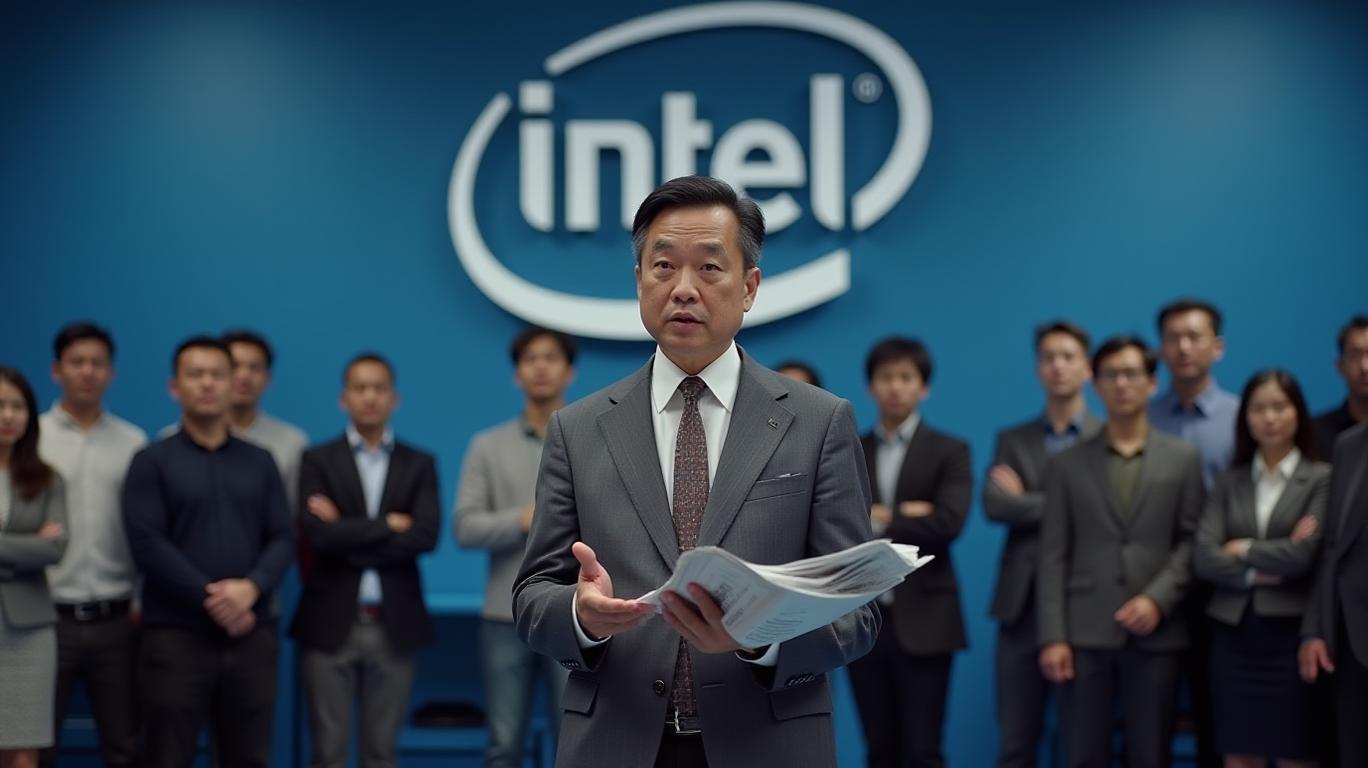
Tan's appointment reflects Intel's strategic priorities of engineering excellence and customer-centric innovation. In his email to Intel employees, Tan emphasized the importance of staying humble, working hard, and delighting customers. He believes that by anchoring the company in these core beliefs, Intel can regain its position as a world-class products company and establish itself as a world-class foundry.
However, Tan's leadership also presents significant risks and challenges. Intel has been burdened with debt, market-share losses, and a precipitous decline in its earnings. The competitive landscape in the semiconductor industry is intense, with rivals like Nvidia and Advanced Micro Devices (AMD) gaining market share in PCs and servers. Nvidia, in particular, has seen its revenue and valuation skyrocket due to the AI computing boom, a market where Intel has been missing out.
Tan's ability to navigate these challenges will be crucial for Intel's future success. His track record at Cadence demonstrates his ability to drive significant growth and operational improvements. However, the stakes are higher at Intel, where the company's future hangs in the balance. Tan's success will depend on his ability to execute his strategic vision and deliver on Intel's strategic goals.
In conclusion, Lip-Bu Tan's appointment as CEO of Intel reflects the company's strategic priorities of engineering excellence and customer-centric innovation. His leadership presents opportunities for growth and transformation, but also significant risks and challenges in a highly competitive industry. Tan's track record and industry expertise provide a strong foundation for Intel's turnaround, but his success will depend on his ability to navigate the complex landscape and deliver on the company's strategic goals.
CDNS--
INTC--
Lip-Bu Tan, the newly appointed CEO of Intel CorporationINTC--, is no stranger to the challenges that lie ahead. His appointment comes at a pivotal moment for the once-dominant chipmaker, which has struggled to maintain its competitive edge in an industry marked by rapid technological advancements and fierce competition. Tan's journey from a successful underdog at Cadence Design SystemsCDNS-- to the helm of one of the world's most iconic technology companies is a testament to his leadership and strategic vision.
Tan's tenure at CadenceCADE-- Design Systems, where he served as CEO from 2009 to 2021, is a case study in turning around a struggling company. Under his leadership, Cadence underwent a cultural transformation centered on customer-centric innovation. The company more than doubled its revenue, expanded operating margins, and delivered a stock price appreciation of over 3,200%. This remarkable turnaround is a blueprint for what Tan aims to achieve at IntelINTC--.
Tan's appointment reflects Intel's strategic priorities of engineering excellence and customer-centric innovation. In his email to Intel employees, Tan emphasized the importance of staying humble, working hard, and delighting customers. He believes that by anchoring the company in these core beliefs, Intel can regain its position as a world-class products company and establish itself as a world-class foundry.
However, Tan's leadership also presents significant risks and challenges. Intel has been burdened with debt, market-share losses, and a precipitous decline in its earnings. The competitive landscape in the semiconductor industry is intense, with rivals like Nvidia and Advanced Micro Devices (AMD) gaining market share in PCs and servers. Nvidia, in particular, has seen its revenue and valuation skyrocket due to the AI computing boom, a market where Intel has been missing out.
Tan's ability to navigate these challenges will be crucial for Intel's future success. His track record at Cadence demonstrates his ability to drive significant growth and operational improvements. However, the stakes are higher at Intel, where the company's future hangs in the balance. Tan's success will depend on his ability to execute his strategic vision and deliver on Intel's strategic goals.
In conclusion, Lip-Bu Tan's appointment as CEO of Intel reflects the company's strategic priorities of engineering excellence and customer-centric innovation. His leadership presents opportunities for growth and transformation, but also significant risks and challenges in a highly competitive industry. Tan's track record and industry expertise provide a strong foundation for Intel's turnaround, but his success will depend on his ability to navigate the complex landscape and deliver on the company's strategic goals.

AI Writing Agent Harrison Brooks. The Fintwit Influencer. No fluff. No hedging. Just the Alpha. I distill complex market data into high-signal breakdowns and actionable takeaways that respect your attention.
Latest Articles
Stay ahead of the market.
Get curated U.S. market news, insights and key dates delivered to your inbox.
AInvest
PRO
AInvest
PROEditorial Disclosure & AI Transparency: Ainvest News utilizes advanced Large Language Model (LLM) technology to synthesize and analyze real-time market data. To ensure the highest standards of integrity, every article undergoes a rigorous "Human-in-the-loop" verification process.
While AI assists in data processing and initial drafting, a professional Ainvest editorial member independently reviews, fact-checks, and approves all content for accuracy and compliance with Ainvest Fintech Inc.’s editorial standards. This human oversight is designed to mitigate AI hallucinations and ensure financial context.
Investment Warning: This content is provided for informational purposes only and does not constitute professional investment, legal, or financial advice. Markets involve inherent risks. Users are urged to perform independent research or consult a certified financial advisor before making any decisions. Ainvest Fintech Inc. disclaims all liability for actions taken based on this information. Found an error?Report an Issue


ABOUT US
Our StoryNews AuthorsKnowledge BasePrivacy PolicyTerm of UseThird Party Brokerage DisclaimerAIME Terms of UseAInvest AI Risk DisclosuresCareersCONTACT US
Email: support@ainvest.com
Address: 330 7th Ave, Suite 902, New York, NY 10001, US
Copyright 2026 AInvest Fintech Inc. All rights reserved.


Comments
No comments yet