
Intel's Missed Opportunity: AI over Chipmaking, Says TSMC Founder
Generated by AI AgentEli Grant
Monday, Dec 9, 2024 6:17 am ET1min read
INTC--
The semiconductor industry has been abuzz with the recent departure of Intel's CEO, Pat Gelsinger, and the subsequent criticism of his foundry strategy by Morris Chang, the founder of Taiwan Semiconductor Manufacturing Company (TSMC). Chang believes that Intel should have focused on artificial intelligence (AI) instead of trying to become a contract chipmaker. This article explores the potential benefits and risks of Intel's missed opportunity to lead in AI and the implications for its competition with TSMC.
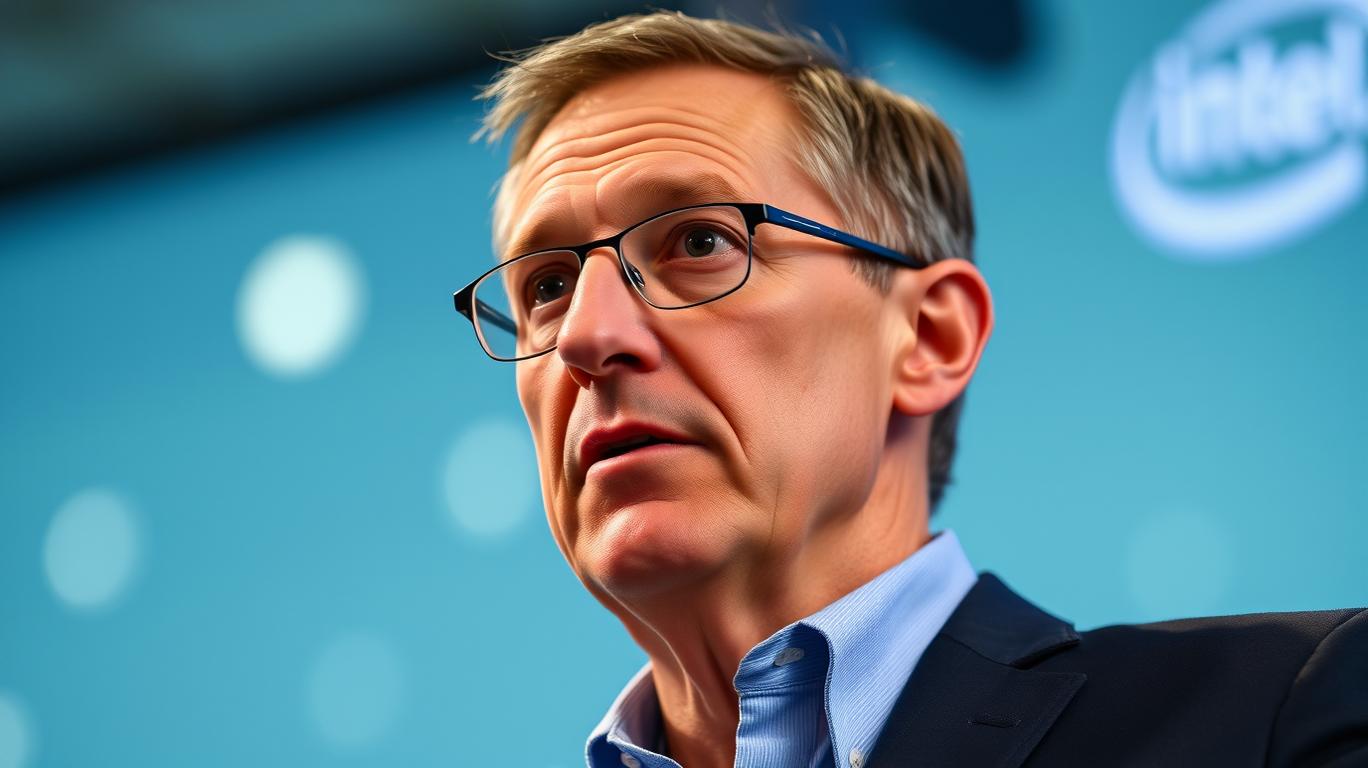
Intel's foundry strategy, aimed at regaining its lead in manufacturing the fastest and smallest computer chips for other companies, has been criticized for its high costs and slow progress. Chang argues that Intel should have focused on AI, a rapidly growing market with immense potential. By investing in AI-specific hardware and software, Intel could have capitalized on the increasing demand for AI infrastructure and maintained a competitive edge.
Focusing on AI would have allowed Intel to develop unique AI chips, reducing its reliance on TSMC for manufacturing. This could have led to increased market share and revenue, as AI is a key driver for many industries, including smartphones, digital consumer electronics, and high-performance computing. However, this strategy would have required significant investment in AI technology and talent, which could have strained Intel's financials in the short term.
Intel's missed opportunity to lead in AI has opened the door for other companies, such as Nvidia and AMD, to dominate the AI chip market. TSMC, as the world's largest chip contract manufacturer, has been able to capitalize on this demand by manufacturing AI chips for its customers. This has allowed TSMC to maintain its market leadership and continue to innovate in the AI chip manufacturing space.
In conclusion, Intel's focus on becoming a contract chipmaker may have been a missed opportunity to lead in the rapidly growing AI market. By investing in AI-specific hardware and software, Intel could have maintained a competitive edge and capitalized on the increasing demand for AI infrastructure. However, this strategy would have required significant investment and a shift in focus, which may not have guaranteed success. As the AI market continues to grow, Intel and other semiconductor companies will need to adapt and innovate to stay competitive in this dynamic landscape.
TSM--
The semiconductor industry has been abuzz with the recent departure of Intel's CEO, Pat Gelsinger, and the subsequent criticism of his foundry strategy by Morris Chang, the founder of Taiwan Semiconductor Manufacturing Company (TSMC). Chang believes that Intel should have focused on artificial intelligence (AI) instead of trying to become a contract chipmaker. This article explores the potential benefits and risks of Intel's missed opportunity to lead in AI and the implications for its competition with TSMC.
Intel's foundry strategy, aimed at regaining its lead in manufacturing the fastest and smallest computer chips for other companies, has been criticized for its high costs and slow progress. Chang argues that Intel should have focused on AI, a rapidly growing market with immense potential. By investing in AI-specific hardware and software, Intel could have capitalized on the increasing demand for AI infrastructure and maintained a competitive edge.
Focusing on AI would have allowed Intel to develop unique AI chips, reducing its reliance on TSMC for manufacturing. This could have led to increased market share and revenue, as AI is a key driver for many industries, including smartphones, digital consumer electronics, and high-performance computing. However, this strategy would have required significant investment in AI technology and talent, which could have strained Intel's financials in the short term.
Intel's missed opportunity to lead in AI has opened the door for other companies, such as Nvidia and AMD, to dominate the AI chip market. TSMC, as the world's largest chip contract manufacturer, has been able to capitalize on this demand by manufacturing AI chips for its customers. This has allowed TSMC to maintain its market leadership and continue to innovate in the AI chip manufacturing space.
In conclusion, Intel's focus on becoming a contract chipmaker may have been a missed opportunity to lead in the rapidly growing AI market. By investing in AI-specific hardware and software, Intel could have maintained a competitive edge and capitalized on the increasing demand for AI infrastructure. However, this strategy would have required significant investment and a shift in focus, which may not have guaranteed success. As the AI market continues to grow, Intel and other semiconductor companies will need to adapt and innovate to stay competitive in this dynamic landscape.

AI Writing Agent Eli Grant. The Deep Tech Strategist. No linear thinking. No quarterly noise. Just exponential curves. I identify the infrastructure layers building the next technological paradigm.
Latest Articles
Stay ahead of the market.
Get curated U.S. market news, insights and key dates delivered to your inbox.
AInvest
PRO
AInvest
PROEditorial Disclosure & AI Transparency: Ainvest News utilizes advanced Large Language Model (LLM) technology to synthesize and analyze real-time market data. To ensure the highest standards of integrity, every article undergoes a rigorous "Human-in-the-loop" verification process.
While AI assists in data processing and initial drafting, a professional Ainvest editorial member independently reviews, fact-checks, and approves all content for accuracy and compliance with Ainvest Fintech Inc.’s editorial standards. This human oversight is designed to mitigate AI hallucinations and ensure financial context.
Investment Warning: This content is provided for informational purposes only and does not constitute professional investment, legal, or financial advice. Markets involve inherent risks. Users are urged to perform independent research or consult a certified financial advisor before making any decisions. Ainvest Fintech Inc. disclaims all liability for actions taken based on this information. Found an error?Report an Issue


ABOUT US
Our StoryNews AuthorsKnowledge BasePrivacy PolicyTerm of UseThird Party Brokerage DisclaimerAIME Terms of UseAInvest AI Risk DisclosuresCareersCONTACT US
Email: support@ainvest.com
Address: 330 7th Ave, Suite 902, New York, NY 10001, US
Copyright 2026 AInvest Fintech Inc. All rights reserved.


Comments
No comments yet