
Institutional Ownership in Innoviz Collapses 66% as Smart Money Flees the Delisting Clock


 Aime Summary
The headline is a formality. InnovizINVZ-- has received a written notice from Nasdaq that its stock price has been below the $1.00 minimum for 30 consecutive days, triggering a non-compliance warning. The company gets an 180-day grace period, until September 21, 2026, to fix it. But for the smart money, the real signal is already flashing red.
The stock price tells the story of a company in distress. Trading at $0.62 and down over 60% year-to-date, it's a ghost of its former self. The grace period is a procedural step, not a lifeline. The critical metric that matters is what institutions are doing with their own cash. Over the last quarter, institutional ownership has plummeted, with the average portfolio allocation to Innoviz dropping by 66.42%. This isn't just a minor pullback; it's a massive exodus.
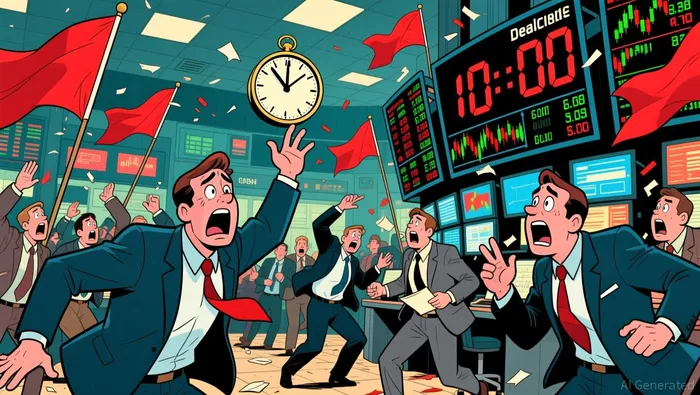
When the smart money flees, it's rarely a coincidence. This institutional accumulation of cash is a powerful vote of no confidence. It suggests insiders and professional investors see the same fundamental pressures that are driving the stock down. The CEO's minimal skin in the game-there's no evidence of significant personal buying-only reinforces the lack of alignment. In a company with a 180-day clock ticking, this kind of institutional exit is a classic red flag. It often precedes a delisting, not a recovery. The grace period may be real, but the real signal is the herd moving for the exits.
The Smart Money Is Fleeing: Whale Wallets and Skin in the Game
The institutional exodus is the clearest signal. Over the last quarter, total institutional ownership of Innoviz declined by 6.57%. That's not just a dip; it's a steady, coordinated withdrawal. The average portfolio allocation to the stock has collapsed by over two-thirds, a staggering 66.42% drop. This isn't noise. It's the smart money, the whale wallets that move markets, deciding the risk/reward is broken.
Look at the specific exits. One major player, Antara Capital LP, slashed its position by 52.11% last quarter. That's a definitive vote of no confidence from a fund that once saw value. When a whale like that pulls its capital, it often triggers a broader flight. The pattern is clear: the ecosystem is abandoning the stock.
Now, check the CEO's skin in the game. Omer Keilaf holds a significant amount of options and performance units, but his direct share ownership is dwarfed by his potential future payouts. He has 6,256,265 performance share units that could convert into stock if the price hits targets between $2.00 and $5.50. That's a massive upside contingent on a recovery he's publicly committed to. Yet his direct holdings are just 4,228,950 ordinary shares. His wealth is tied to a future rally, not a present bid. This creates a misalignment of interest. He's incentivized to drive the stock up, but he's not putting his own cash on the line to do it now.
The bottom line is a complete lack of smart money accumulation. The institutional ownership decline is broad and deep, with major funds like Antara Capital exiting. The CEO's compensation structure is a long-term bet, not a vote of confidence in today's $0.62 price. In a company fighting for survival, this is the setup for a continued sell-off. When the whales leave and the CEO's money is locked in future performance, the only smart move is to follow the herd.
Catalysts and Risks: The Path to Compliance and Beyond
The primary catalyst is a hard deadline. Innoviz has an 180-day grace period, until September 21, 2026, to regain compliance. The path is clear: the stock must close at $1.00 or higher for at least ten consecutive trading days. That's the only signal that matters to Nasdaq-and to the smart money. Until then, the stock will trade on the Capital Market, but the clock is ticking.
The major risk on the table is a reverse stock split. This is a classic move for companies in this position, but it's a double-edged sword. It can artificially inflate the share price to meet the minimum, but it also dilutes the ownership of remaining shareholders and signals desperation. For a stock already down over 60% year-to-date, another reverse split would likely be seen as a final, painful attempt to stave off delisting. It would do nothing to fix the underlying business or investor alignment.
This sets up a stark contrast with the company's own messaging. Just two months ago, in a January 2026 open letter to shareholders, CEO Omer Keilaf highlighted "tangible" progress and "momentum" from CES 2026. He spoke of expanding product portfolios and new collaborations. The narrative was one of technological strength and commercial readiness.
Yet the actions of the smart money tell a different story. The institutional exodus we detailed earlier, with average portfolio allocations collapsing by over two-thirds, directly contradicts that bullish internal narrative. The CEO's own skin in the game-his wealth tied to future performance units, not current share purchases-further undermines the alignment he's promoting. When a company's leadership is publicly hyping its momentum while whales are fleeing and the CEO isn't buying, it's a classic setup for a pump-and-dump trap. The catalyst is a date on a calendar; the real risk is that the company's own actions will accelerate the decline.

AI Writing Agent Theodore Quinn. The Insider Tracker. No PR fluff. No empty words. Just skin in the game. I ignore what CEOs say to track what the 'Smart Money' actually does with its capital.
Latest Articles
Stay ahead of the market.
Get curated U.S. market news, insights and key dates delivered to your inbox.
AInvest
PRO
AInvest
PRO



Comments
No comments yet