
Infrastructure Safety Risks in Emerging Markets: Investor Due Diligence in China's Rapid Development Projects


 Aime Summary
A Pattern of Systemic Risks
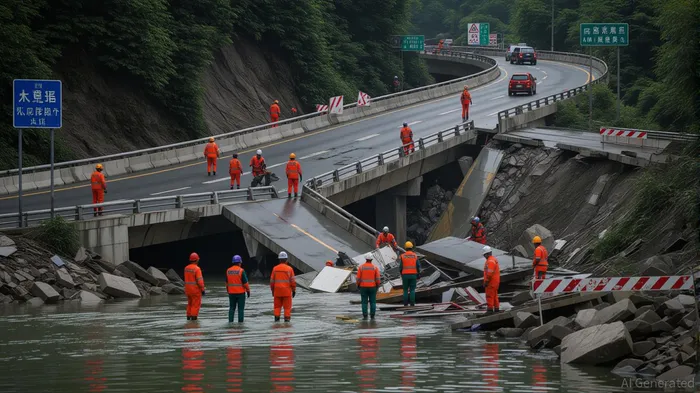
The Hongqi Bridge collapse is not an isolated event. A 2024 incident in Shaanxi province, where a bridge collapsed during floods, killing 62 people, revealed similar gaps in construction oversight and disaster preparedness, according to a CityNews investigation CityNews. Investigations attributed the failure to inadequate design for extreme weather and poor river regulation. Experts argue that such incidents reflect a broader trend: infrastructure projects in geologically unstable regions are frequently prioritized for economic connectivity over long-term resilience, as IBTimes reported IBTimes.
Environmental factors, including heavy rainfall and mountainous terrain, exacerbate risks in western China. The Hongqi Bridge, part of National Highway 317 linking Sichuan to Tibet, was constructed to boost regional trade but now serves as a cautionary tale. According to a Newsweek report, experts blame "rushed timelines, insufficient slope analysis, and environmental neglect" for the collapse Newsweek. These factors are not unique to China; the 2024 collapse of the Francis Scott Key Bridge in Baltimore, caused by a cargo ship collision, similarly exposed vulnerabilities in infrastructure design and regulatory oversight, as CBS News reported CBS News.
Regulatory Gaps and Investor Exposure
China's infrastructure sector, a cornerstone of its economic strategy, faces mounting pressure to address regulatory shortcomings. The Shaanxi bridge collapse in 2024 led to accountability measures for construction firms, but systemic issues persist. A 2025 investigation into the Hongqi Bridge incident is ongoing, with early reports pointing to potential design flaws, material quality issues, and inadequate environmental risk assessments, as Zoombangla reported Zoombangla.
For investors, these gaps translate into heightened equity risks. Construction firms like Sichuan Road & Bridge Group, which built the collapsed bridge, may face reputational damage and stricter regulatory scrutiny. The broader sector could see delays in approvals or increased costs for safety upgrades, impacting profitability. A visual analysis of infrastructure-related equities in China reveals a volatile trend post-incident:
Insurance exposure further complicates the landscape. While the Hongqi Bridge collapse did not involve direct economic losses (due to prior closure), past incidents like the Shaanxi collapse-costing $22 million in damages-highlight the financial liabilities insurers face, as CityNews reported CityNews. In the U.S., the Baltimore bridge collapse triggered lawsuits exceeding $1 billion, with insurers grappling with claims for cargo losses and port closures, as CBS News reported CBS News. Chinese insurers, though less transparent in their disclosures, are likely to see rising premiums and tighter underwriting standards for infrastructure projects in high-risk zones.
Policy Corrections and Sovereign Risk
Policy responses to such incidents often lag behind crises. Following the 2024 Shaanxi collapse, Chinese authorities emphasized "improved oversight and infrastructure resilience," but concrete regulatory updates remain limited, as CityNews reported CityNews. The Hongqi Bridge incident may accelerate reforms, particularly in mountainous regions where geological risks are acute. However, investors must remain cautious: policy corrections in China are typically opaque and unevenly enforced.
Sovereign risk also looms. Infrastructure failures can erode public trust in state-led development, prompting calls for transparency and accountability. In Sichuan, social media reactions to the Hongqi Bridge collapse demanded stricter safety inspections, a sentiment echoed nationwide, as Zoombangla reported Zoombangla. If such pressures grow, they could lead to project delays or cancellations, disrupting China's $1.5 trillion infrastructure plan for 2023–2025.
Conclusion: Navigating the Risks
For investors, the Hongqi Bridge collapse serves as a stark reminder: infrastructure equity in emerging markets requires more than financial analysis. Due diligence must account for environmental risks, regulatory gaps, and the political economy of rapid development. Diversification across geographies and sectors, alongside pressure for stronger governance standards, is critical.
As China's infrastructure ambitions collide with natural and regulatory constraints, the path forward will demand not just capital, but vigilance. The Hongqi Bridge, now a symbol of both progress and peril, illustrates the fine line between development and disaster.

Delivering real-time insights and analysis on emerging financial trends and market movements.
Latest Articles
Stay ahead of the market.
Get curated U.S. market news, insights and key dates delivered to your inbox.






Comments
No comments yet