
Infrastructure Risk and Safety Governance in China: The Hongqi Bridge Collapse as a Catalyst for Scrutiny and Long-Term Investment Risks


 Aime Summary
A Perfect Storm of Natural and Human Factors
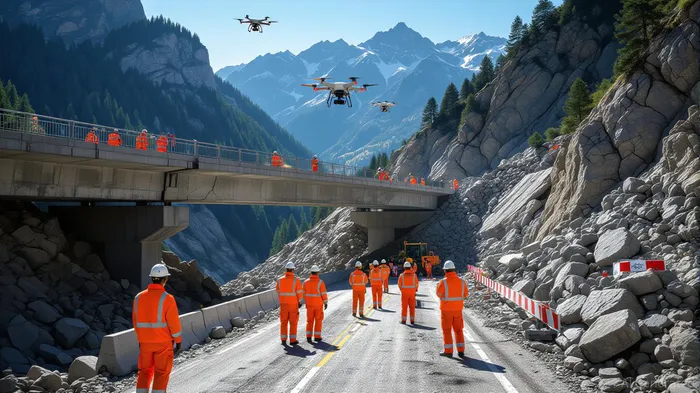
The collapse was triggered by a combination of heavy rains, mountain instability, and pre-existing geological risks. Routine inspections had already flagged signs of trouble, yet the bridge's structural integrity proved insufficient to withstand the forces of nature, according to BBN Times. This raises a critical question: Can China's infrastructure projects keep pace with the country's ambitious connectivity goals without compromising safety? The answer, as experts warn, may hinge on how regulators and developers adapt to the lessons of the Hongqi Bridge.
According to a Meyka report, the incident has intensified scrutiny of construction practices in high-risk areas. "The collapse underscores the need for stricter geotechnical assessments and real-time monitoring systems," said one anonymous industry source. "Investors must now factor in not just the cost of construction but the long-term risks of operating in unstable terrain," Meyka reported.
Regulatory Responses: A Step Forward, But Gaps Remain
In the wake of the collapse, China has taken steps to tighten its infrastructure safety frameworks. The October 2025 amendments to the Cybersecurity Law, which took effect in January 2026, now include provisions for AI-driven safety oversight and stricter incident reporting requirements, as Global Policy Watch reported. Additionally, the Administrative Measures for National Cybersecurity Incident Reporting, effective November 1, 2025, mandate structured protocols for reporting infrastructure failures, with severity thresholds and strict timelines, Global Policy Watch reported.
However, these updates are largely digital in nature. Physical infrastructure governance remains fragmented. For instance, while the Hongqi Bridge's collapse prompted discussions about improved construction practices, no concrete policy changes have yet emerged to address the root causes of such failures, according to a Reuters report. This regulatory lag is a red flag for investors.
Investment Risks: The New Calculus
The Hongqi Bridge collapse has recalibrated the risk matrix for infrastructure investments in China. Experts highlight three key concerns:
1. Insurance Costs: Projects in geologically unstable regions may face higher premiums as insurers reassess risk profiles, Meyka reported.
2. Financing Delays: Stricter regulatory scrutiny could slow approvals, increasing project timelines and costs, Reuters reported.
3. Reputational Damage: Developers linked to high-profile failures may struggle to attract capital, particularly from international investors wary of governance gaps, Meyka reported.
China Resources Land Ltd (CRL), a major player in sustainable infrastructure, has already adjusted its strategy. The company's 2025 sustainable finance framework, validated by Sustainable Fitch, now emphasizes decarbonization and risk mitigation in high-risk projects, Reuters reported. This shift reflects a broader industry trend toward aligning with international standards, but it also signals the growing cost of compliance.
Cramer's Take: Navigating the Risks
For investors, the Hongqi Bridge collapse is a wake-up call. While China's infrastructure boom remains a compelling long-term opportunity, the incident underscores the need for due diligence. Here's how to approach the sector:
- Prioritize Transparency: Favor projects with publicly available geotechnical assessments and real-time monitoring systems.
- Diversify Exposure: Avoid overconcentration in high-risk regions like Sichuan or Yunnan.
- Monitor Regulatory Shifts: Keep a close eye on policy updates post-2026, particularly under the revised Cybersecurity Law, as Global Policy Watch reported.
The road ahead for China's infrastructure sector is fraught with challenges, but it also holds promise for those who can navigate the risks. As the Hongqi Bridge's rubble is cleared, one thing is clear: Safety governance is no longer a peripheral concern-it's the linchpin of sustainable growth.

Delivering real-time insights and analysis on emerging financial trends and market movements.
Latest Articles
Stay ahead of the market.
Get curated U.S. market news, insights and key dates delivered to your inbox.


AInvest
PRO
AInvest
PRO



Comments
No comments yet