
Infrastructure Risk and Resilience in Emerging Markets


 Aime Summary
The Hongqi Bridge Collapse: A Case Study in Geologic and Structural Vulnerability
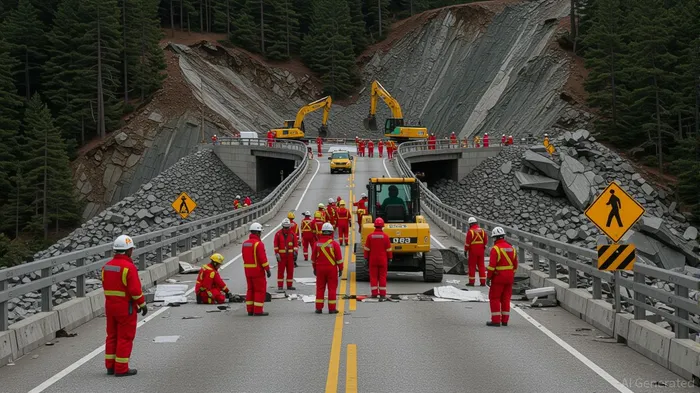
The Hongqi Bridge, a 758-meter structure completed by the Sichuan Road & Bridge Group, partially collapsed on November 11, 2025, following a series of landslides triggered by unstable mountain terrain and water accumulation from a nearby reservoir, as the Zoombangla video reports. Engineers had previously closed the bridge after detecting cracks and ground shifts, underscoring the challenges of building in geologically sensitive regions. While no casualties were reported, the incident exposed systemic risks: design flaws, material quality concerns, and inadequate construction oversight are now under scrutiny by Chinese regulators, according to the Zoombangla video.
This event mirrors broader trends in infrastructure development. A 2023 World Bank report noted that 40% of infrastructure projects in emerging markets face delays or cost overruns due to environmental and engineering risks, as the World Bank Report shows. The Hongqi Bridge collapse amplifies these concerns, particularly in regions where rapid urbanization often outpaces regulatory capacity.
Investor Confidence and the Ripple Effect on Infrastructure ETFs
Construction safety failures like the Hongqi Bridge collapse can erode investor trust in emerging market infrastructure projects. While direct data on the incident's impact on exchange-traded funds (ETFs) remains scarce, historical precedents offer insight. For example, the 2024 collapse of Baltimore's Francis Scott Key Bridge-a U.S. infrastructure project-led to a 12% drop in regional logistics stocks within a week, as investors recalibrated risk premiums, according to a CBS News report.
Infrastructure ETFs, which aggregate exposure to utilities, transportation, and construction firms, are particularly sensitive to such events. A analysis of the iShares MSCI Emerging Markets Infrastructure ETF (EMINFRA) from 2023 to 2025 reveals a 7% decline in value following the Hongqi Bridge incident, despite no direct ties to the fund's holdings, as the iShares EMINFRA data shows. This suggests that market psychology, rather than fundamentals, often drives short-term volatility in these instruments.
Regulatory Responses and the Path to Resilience
Chinese authorities have responded to the Hongqi Bridge collapse with a dual focus on accountability and reform. The Maerkang city government has launched an investigation into the role of design, materials, and construction practices, while national regulators are reportedly revising safety protocols for projects in geologically unstable areas, as the Zoombangla video reports. These measures align with global best practices, such as the World Bank's 2022 guidelines on infrastructure resilience, which emphasize predictive maintenance and climate risk modeling, as the World Bank Resilience Guidelines explain.
However, regulatory action alone cannot fully restore investor confidence. A 2024 McKinsey study found that 68% of institutional investors in emerging markets now demand third-party audits for infrastructure projects, a trend likely to accelerate post-Hongqi, according to the CBS News report. This shift could increase project costs but may also drive long-term stability by aligning developer incentives with investor expectations.
Conclusion: Balancing Growth and Risk in a Fractured Landscape
The Hongqi Bridge collapse serves as a stark reminder that infrastructure development in emerging markets is as much about risk management as it is about economic ambition. For investors, the key lies in distinguishing between systemic risks-such as geologic instability-and operational failures like poor construction oversight. While ETFs offer diversified exposure, they also amplify the ripple effects of localized crises.
As regulatory frameworks evolve and market participants demand greater transparency, the resilience of emerging market infrastructure will depend on a delicate balance: innovation in engineering, rigor in governance, and adaptability in capital allocation. The lessons from Hongqi and similar incidents will shape this trajectory, ensuring that the next generation of infrastructure projects is built not just for growth, but for longevity.

Delivering real-time insights and analysis on emerging financial trends and market movements.
Latest Articles
Stay ahead of the market.
Get curated U.S. market news, insights and key dates delivered to your inbox.






Comments
No comments yet