
Infrastructure Risk and Resilience in China's Rapid Expansion


 Aime Summary
Systemic Risks in Infrastructure Equity
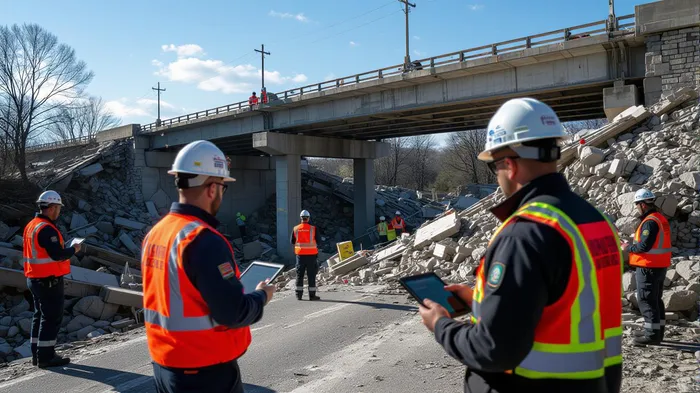
The root causes of such failures are multifaceted. Internally, design flaws, construction errors, and inadequate supervision have historically plagued Chinese bridges. The 2007 Tuojiang Bridge collapse, for instance, was directly tied to poor design and lax oversight, as noted in a MDPI study. Externally, natural disasters and human factors-such as vehicle overloading and collisions-exacerbate risks. Between 2023 and 2025, over 200 bridge collapses were reported, with 80% attributed to overloading, maintenance neglect, and quality defects, according to a ScienceDirect analysis. These incidents impose significant economic costs: the 2007 Tuojiang Bridge collapse alone caused CNY 39.747 million in direct losses, per the MDPI study.
Regulatory responses have been uneven. Policies like the Technical Standard for Urban Bridge Maintenance aim to improve oversight, but implementation gaps persist. Rural bridges, in particular, face chronic underfunding, while coordination between departments remains weak, as the ScienceDirect analysis notes. Corruption further compounds the problem, with reports linking substandard materials and lax inspections to bribery, according to a Derby Telegraph article.
Investor Reactions and Public Trust
Investor confidence in China's infrastructure equity sector has shown mixed signals. While direct stock market impacts from recent bridge failures are not yet evident-data on equity valuations for October–November 2025 remains inconclusive-longer-term concerns loom. The sector's resilience hinges on regulatory reforms and technological upgrades, such as IoT-based monitoring systems, which are still in nascent stages, as the MDPI study observes.
Public trust, however, has eroded. Surveys indicate growing skepticism toward engineering standards, fueled by recurring incidents and perceived corruption, according to the Derby Telegraph article. The 2024 Key Bridge collapse in Maryland, though geographically distant, offers a cautionary tale: it disrupted 51,000 jobs and highlighted the cascading economic effects of infrastructure failures, as reported by Maryland Matters. In China, similar disruptions could ripple through supply chains, particularly in regions reliant on critical transportation links.
The Path to Resilience
Addressing these challenges requires a dual focus on technical and institutional reforms. Strengthening design standards, enforcing overload regulations, and adopting real-time monitoring systems could mitigate risks, as the MDPI study notes. Equally critical is fostering transparency and accountability. As one expert notes, "Safety must no longer be an afterthought in China's infrastructure race," according to the Derby Telegraph article.
For investors, the sector presents both risks and opportunities. While short-term volatility is possible, long-term gains could follow successful reforms. The key lies in discerning companies that prioritize resilience over expediency-a task demanding rigorous due diligence.
Conclusion
China's infrastructure equity sector stands at a crossroads. The Hongqi Bridge collapse and its predecessors are not isolated incidents but symptoms of deeper systemic flaws. Without robust regulatory enforcement and cultural shifts toward safety, public trust-and investor confidence-will remain fragile. Yet, with strategic investments in technology and governance, the sector could yet emerge stronger, transforming risk into resilience.

Delivering real-time insights and analysis on emerging financial trends and market movements.
Latest Articles
Stay ahead of the market.
Get curated U.S. market news, insights and key dates delivered to your inbox.






Comments
No comments yet