
Infrastructure Risk in Emerging Markets: The Sichuan Bridge Collapse and Its Financial Fallout


 Aime Summary
A Catalyst for Investor Anxiety
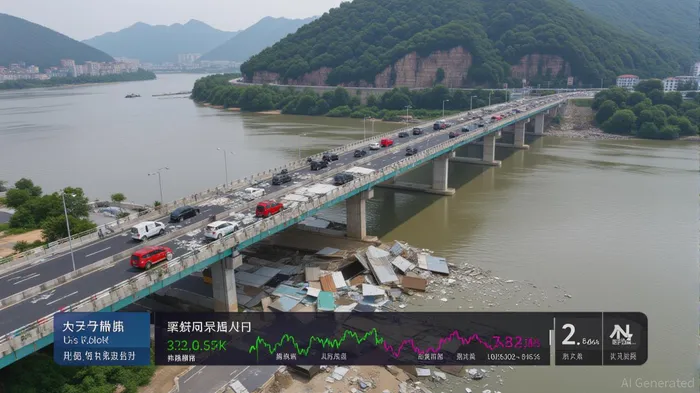
The collapse has amplified concerns about construction quality and oversight in China's infrastructure boom. According to a DevDiscourse report, the Sichuan Road & Bridge Group, the contractor behind the project, faces scrutiny over design flaws and material standards. Though no direct financial data on insurance payouts or repair costs has been disclosed, the incident has already rattled investor sentiment. In the absence of immediate stock price reactions specific to Chinese construction firms, the broader sector's vulnerability is evident. For instance, U.S.-listed peers like Great Lakes Dredge & Dock and Construction Partners, Inc. have thrived amid robust infrastructure demand, but their success highlights the contrast with emerging markets, where geopolitical and environmental risks loom larger. Nasdaq's coverage of Great Lakes Dredge & Dock's Q3 earnings offers a lens into this dynamic.
Credit Ratings and Sovereign Implications
Credit rating agencies are now closely monitoring the incident's ripple effects. While S&P Global reported 23 downgrades in the recent quarter-unrelated to the bridge collapse-experts warn that similar events could trigger further downgrades in China's infrastructure-linked debt. S&P's instant insights suggest that , such as inadequate maintenance protocols or rushed construction timelines, may be key red flags for sovereign creditworthiness. The Chinese government's response, including potential nationwide reviews of infrastructure projects, could either mitigate or exacerbate these risks.
ESG Investing Under Scrutiny
The collapse has also reignited debates about (Environmental, Social, Governance) criteria in infrastructure investments. A study published in Sustainable Development of Bridges in China notes that such failures often lead to "incalculable ecological imbalances" and erode public trust. The study, from MDPI, raises questions about due diligence: How rigorously are environmental stressors and governance practices evaluated in high-risk regions? The social cost-measured in potential casualties and displacement-further complicates risk assessments.
Long-Term Strategic Adjustments
Investors must now weigh several factors. First, regional development projects in geologically unstable areas may face higher financing costs or insurance premiums. Second, construction firms with strong ESG track records could gain a competitive edge, while those with opaque practices risk capital flight. Third, sovereign credit ratings may hinge on policy reforms, such as stricter safety standards or transparency measures.
The Sichuan bridge collapse is not an isolated event but a harbinger of systemic challenges. As emerging markets continue to prioritize infrastructure expansion, the interplay between physical risks, governance, and financial markets will define the next phase of global investment strategies.

Delivering real-time insights and analysis on emerging financial trends and market movements.
Latest Articles
Stay ahead of the market.
Get curated U.S. market news, insights and key dates delivered to your inbox.


AInvest
PRO
AInvest
PRO



Comments
No comments yet