
Infrastructure Resilience and Urban Transit Modernization: Unearthing Undervalued Transportation Equities
The global push for post-pandemic urban revival has thrust infrastructure resilience and smart transit modernization into the spotlight. The recent suspension of New York's 7 Train—a critical artery for 250,000 daily commuters—exposed vulnerabilities in aging transit systems, catalyzing urgent policy focus on reliability and innovation. For investors, this presents a compelling opportunity to identify undervalued equities in the transportation sector poised to benefit from a surge in public and private investment. Let's dissect the trends and companies positioned to lead this transformation.
The Infrastructure Imperative: A Catalyst for Change
The 7 Train crisis underscored the fragility of legacy transit systems, spurring policymakers to prioritize modernization. According to the MTA's 2025–2029 Capital Plan, $68.4 billion will be invested in New York's transit infrastructure, with a focus on subway upgrades, signal modernization, and smart technologies. This aligns with broader global trends, as cities from Tokyo to Berlin accelerate the adoption of sustainable, data-driven transit solutions. The key themes driving this shift are:
- Subway System Upgrades: Aging fleets and tracks require replacement with modern, eco-friendly alternatives.
- Smart Transit Technologies: AI, 5G, and IoT are enabling predictive maintenance, real-time passenger services, and energy efficiency.
- Public-Private Partnerships (PPPs): Governments are leveraging private capital and innovation to accelerate projects, reducing fiscal burdens.
Key Companies to Watch: From Hydrogen Trains to Wireless Charging
While many firms in this space remain private (e.g., Applied Intuition, InductEV), a select few are publicly traded and offer accessible investment opportunities. Here's a spotlight on Stadler Rail, a Swiss leader in sustainable transit solutions, and other emerging sectors:
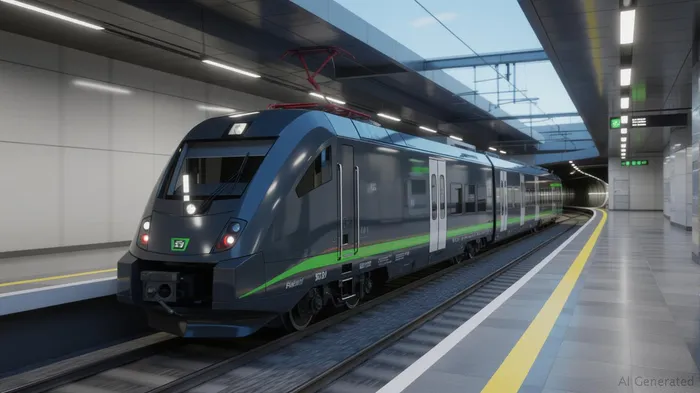
Stadler Rail (SIX: SRAIL)
- Why It's a Buy: Stadler is at the forefront of hydrogen-powered train adoption, having delivered the U.S.'s first hydrogen train (ZEMU) in California. Its FLIRT H2 model emits only water vapor, offering a zero-emission alternative to diesel. The company's establishment of a North American division in early 2025 signals aggressive market expansion.
- Financials: With a market cap of ~$2.45 billion and a stock price of ~$24.52 (as of July 2025), Stadler trades at a reasonable valuation relative to its growth prospects.
- ****: Investors should monitor near-term dips as buying opportunities ahead of major project wins.
Smart Transit Tech Plays
While Xeal (developer of offline EV chargers) and Candela Technology (hydrofoil ferries) remain private, public companies in adjacent sectors are worth watching:
- Cisco Systems (CSCO): Its IoT and 5G infrastructure solutions are integral to smart transit systems, enabling real-time data analytics for traffic management.
- Verizon (VZ): 5G networks underpin the digitization of transit systems, from countdown clocks to predictive maintenance tools.
Public-Private Partnerships (PPPs)
The SMART Grants Program (USDOT) has allocated $140 million to projects like Seattle's InductEV wireless charging buses, illustrating the PPP model's viability. Investors should track firms like First Student, which is transitioning 30,000 school buses to electric by 2035—though its public status is unclear, its partnerships with public agencies signal strategic importance.
Risks and Considerations
- Regulatory Hurdles: Permitting delays and budget constraints could slow project timelines.
- Technological Overreach: Overhyping unproven solutions (e.g., autonomous vehicles) may lead to investor skepticism.
- Economic Cycles: Infrastructure spending is sensitive to economic downturns, though climate resilience and urbanization are long-term trends.
Investment Strategy: Play the Trend, Not the Noise
For investors seeking exposure to this theme:
1. Core Holding: Stadler Rail (SRAIL) offers direct exposure to hydrogen transit and North American expansion.
2. Satellite Plays: Add Cisco (CSCO) or Verizon (VZ) for tech infrastructure exposure.
3. Watchlist: Monitor private-to-public transitions like Applied Intuition (autonomous vehicle AI) or InductEV (wireless charging) for future opportunities.
Conclusion: Infrastructure Modernization is a Long Game
The push for resilient, modern transit systems is not a fad—it's a necessity. Companies like Stadler Rail, leveraging innovation and partnerships, are well-positioned to capitalize on this demand. As cities worldwide prioritize reliability and sustainability, investors who act now could reap rewards as the urban revival gains steam.
Investment Grade: Stadler Rail (SRAIL) – Buy with a 12-month price target of $30/share.
Risk Rating: Moderate (technology adoption and regulatory factors).
Stay ahead of the curve—the future of transit is here.

Delivering real-time insights and analysis on emerging financial trends and market movements.
Latest Articles
Stay ahead of the market.
Get curated U.S. market news, insights and key dates delivered to your inbox.






Comments
No comments yet