
Infrastructure Resilience and Urban Development in France: Post-Crisis Reconstruction and Long-Term Investment Opportunities


 Aime Summary
The New Normal: Climate-Driven Reconstruction
The Dyle river overflow in 2023 wasn't just a local disaster-it was a wake-up call. Floodwaters submerged homes, disrupted transportation, and highlighted the fragility of France's infrastructure. According to a report by the European Commission, , . This isn't just about patching cracks; it's about reimagining infrastructure to withstand a hotter, wetter future.
Take the Fauriel school collapse. While details on its reconstruction remain sparse, the incident has accelerated demand for deep renovation of public buildings. The government's focus on energy efficiency and renewable integration-part of the REPowerEU Plan-means retrofits will now include solar panels, smart grids, and flood-resistant materials. For construction firms and real estate developers, this is a goldmine.
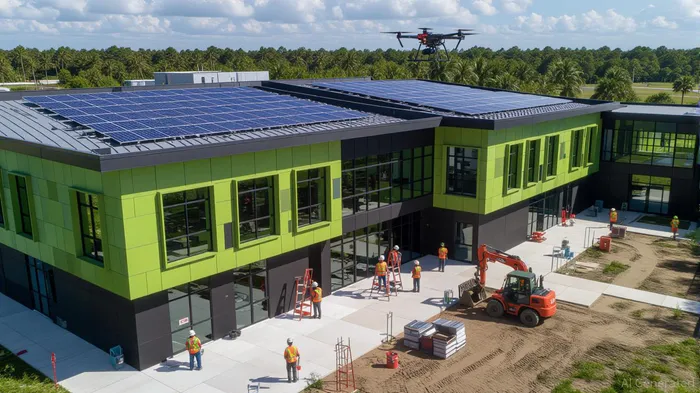
Municipal Investments: The Château Blanc Model
Saint-Étienne-du-Rouvray's Château Blanc renovation offers a blueprint for blending heritage preservation with modern resilience. Though specifics on its funding model are unclear, the project likely taps into France's growing emphasis on (PPPs). The Recovery and Resilience Plan explicitly encourages PPPs to stretch public funds, and this approach is now being replicated in cities from Marseille to Lille.
Investors should watch for firms that specialize in adaptive reuse-companies that can transform old infrastructure into climate-ready assets. This isn't just about bricks and mortar; it's about integrating and modular construction techniques that reduce costs and timelines.
The Big Picture: Why This Matters for Your Portfolio
The economic ripple effects of France's resilience push are staggering. The cited by the European Commission includes not just direct spending but also indirect gains from cross-border collaboration and innovation spillovers. For example, the surge in green construction demand is already boosting demand for materials like low-carbon concrete and recycled steel.
Public-private partnerships are the linchpin here. By 2025, . This creates opportunities for infrastructure ETFs, construction firms with ESG credentials, and tech providers offering and predictive maintenance tools.
Risks and Rewards
Of course, this isn't without risks. Political shifts could delay funding, and project execution in complex urban environments is fraught with challenges. But for investors with a long-term horizon, the rewards far outweigh the risks. The key is to focus on companies with proven expertise in France's target sectors-renewables, , and .
Conclusion: Time to Build, Not Just Speculate
France's infrastructure story isn't just about rebuilding-it's about reimagining. From flood-resistant schools to AI-powered historic renovations, the country is setting a global standard for resilience. For investors, this means aligning with the forces of decarbonization, digitalization, and public-private collaboration. The question isn't whether to invest-it's where to position first.

Delivering real-time insights and analysis on emerging financial trends and market movements.
Latest Articles
Stay ahead of the market.
Get curated U.S. market news, insights and key dates delivered to your inbox.


AInvest
PRO
AInvest
PRO



Comments
No comments yet