
Infrastructure Resilience in China: Lessons from the Hongqi Bridge Collapse


 Aime Summary
Engineering Oversight: A Systemic Challenge
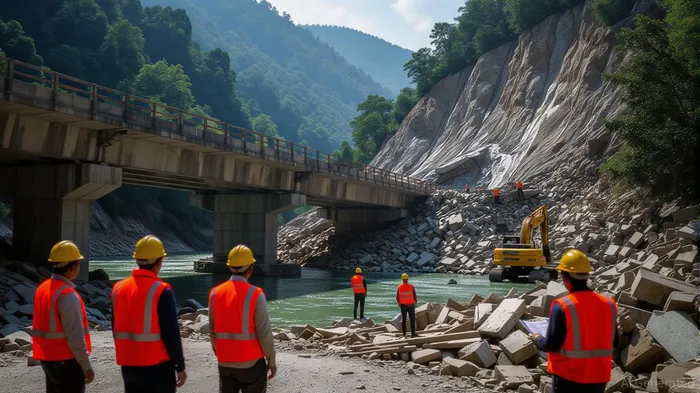
The Hongqi Bridge collapse underscores the risks of constructing large-scale infrastructure in geologically unstable regions. According to a Bloomberg report, the bridge's failure was attributed to shifting terrain and heavy seasonal rains, which compromised its structural integrity. Despite being completed in 2025 by the Sichuan Road & Bridge Group-a firm with a long history in Chinese infrastructure-the project appears to have underestimated the region's susceptibility to landslides. Technical investigations are now scrutinizing design flaws, material quality, and construction oversight, according to a DevDiscourse analysis.
This incident mirrors broader concerns about China's rapid infrastructure expansion. A 2024 Reuters analysis highlighted that over 60% of China's new bridges are built in mountainous or seismically active zones, where geological risks are often downplayed in favor of cost and speed. For investors, the collapse serves as a stark reminder that engineering oversight must evolve to address climate-related and geotechnical challenges.
Regulatory Reforms: A Path to Restoring Trust?
In the wake of the collapse, Chinese authorities have launched a full investigation into the incident, signaling a potential shift toward stricter regulatory frameworks. According to a DevDiscourse analysis, the government is now prioritizing transparency in infrastructure projects, with calls for enhanced safety inspections and public disclosure of geological risk assessments. These measures align with broader regulatory reforms introduced in 2025, which mandate variable-fee products for active funds and stricter accountability for underperforming portfolio managers, according to a Reuters analysis.
However, the effectiveness of these reforms remains uncertain. While new rules aim to align investor and fund manager interests, they also reflect a growing skepticism toward state-led projects. Social media reactions in China have been particularly vocal, with users demanding greater scrutiny of construction timelines and material standards, according to a DevDiscourse analysis. For firms like Sichuan Road & Bridge Group, the pressure to comply with these reforms could lead to higher operational costs and longer project timelines, potentially impacting their profitability.
Financial Implications: Bonds, Stocks, and Investor Sentiment
The Hongqi Bridge collapse has already begun to influence investor sentiment toward infrastructure bonds and construction firms. Data from a StockAnalysis report reveals that Sichuan Road & , with earnings falling 19.92% year-on-year. While these figures predate the collapse, they highlight a broader trend of declining confidence in the sector. Post-incident, the company's stock (ticker: 600039.SS) is likely to face further volatility as investors weigh the risks of regulatory scrutiny and reconstruction costs.
Infrastructure bonds, meanwhile, are experiencing a mixed response. On one hand, the collapse has heightened demand for resilient infrastructure, potentially boosting long-term bond performance as governments allocate more funds to climate-adaptive projects. On the other hand, short-term yields may rise due to increased perceived risk. A 2025 Reuters analysis , reflecting investor caution.
Conclusion: Balancing Resilience and Growth
The Hongqi Bridge collapse is a pivotal moment for China's infrastructure sector. For investors, the incident underscores the need to balance rapid development with robust risk management. Engineering firms must adopt advanced geotechnical modeling and climate resilience strategies, while regulators must enforce stricter compliance protocols.
As the investigation into the bridge's failure continues, the financial markets will closely watch how Sichuan Road & Bridge Group and similar firms adapt. The coming months will reveal whether regulatory reforms can restore public trust and stabilize infrastructure bond performance-or if the sector faces prolonged uncertainty.

Delivering real-time insights and analysis on emerging financial trends and market movements.
Latest Articles
Stay ahead of the market.
Get curated U.S. market news, insights and key dates delivered to your inbox.






Comments
No comments yet