
Infrastructure-Driven Real Estate Gains in Upstate New York: How Municipal Development is Reshaping Industrial Markets


 Aime Summary
The FAST NY Catalyst
The FAST NY grant, part of a broader state initiative to accelerate infrastructure development, has become a linchpin for Webster's renaissance. Modernizing roads, sewer systems, and electrical grids on the former Xerox campus has transformed a derelict site into a magnet for high-value industries. Food processing and semiconductor supply chain firms, which demand reliable infrastructure and skilled labor, have flocked to the area. According to a report by Strategic Property Investment in Emerging Shovel-Ready Markets, the construction of a $650 million fairlife® dairy plant-expected to create 250 jobs by 2025-further cements the region's appeal. These projects exemplify how targeted infrastructure spending can create a virtuous cycle: improved logistics reduce operational costs for businesses, which in turn drive demand for industrial space and labor, spurring ancillary economic activity.
Strategic Site Readiness and Investor Appetite
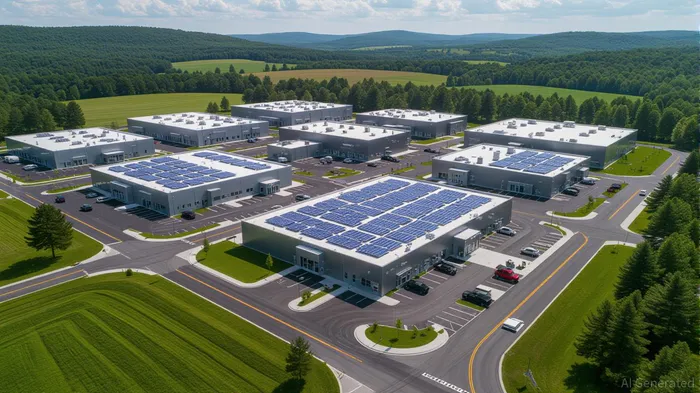
Webster's success hinges on a concept often overlooked in real estate discourse: strategic site readiness. The Northeast Area for Technology (NEAT) site, a 300-acre extension of the redeveloped Xerox campus, is being primed to offer nearly one million square feet of industrial space by 2026. This "shovel-ready" approach minimizes development risk for investors, who can acquire land or pre-leased properties with confidence in the site's infrastructure and zoning. For capital-starved municipalities, such readiness also reduces the lag between public investment and private returns-a critical factor in an era of rising construction costs and supply chain bottlenecks.
The implications for real estate investors are profound. Industrial vacancy rates in Webster have plummeted to 2%, a stark contrast to the national average of 7.5%. This scarcity premium, coupled with the influx of high-paying jobs from projects like the fairlife® plant, has created a self-reinforcing dynamic: businesses anchor the local economy, workers demand housing, and residential property values rise in tandem with industrial rents. Data from 2023 to 2026 shows residential values climbing 10.1%, a testament to the spillover effects of industrial revitalization.
Broader Lessons for Underpenetrated Markets
Webster's trajectory underscores a broader trend: infrastructure-driven development can unlock value in markets long considered peripheral. Upstate New York, with its legacy of industrial decline and underutilized assets, is particularly well-suited for such interventions. Municipalities that adjust zoning laws, align infrastructure projects with private-sector needs, and prioritize site readiness can replicate Webster's success. For investors, the key is to identify regions where public investment precedes private demand-a window that closes as development accelerates. The NEAT site, for instance, offers a limited-time opportunity to acquire assets before 2026, when supply constraints and rising demand are expected to drive prices higher.
Conclusion
The Webster case study is a microcosm of a larger shift in real estate investment. As capital seeks yields in an era of low interest rates, underpenetrated markets with proactive municipal strategies will dominate returns. Infrastructure is no longer just a cost-it is a catalyst. For Webster, the $9.8 million FAST NY grant has proven that with vision, coordination, and a focus on readiness, even post-industrial towns can reclaim their place in the national economy. Investors who recognize these dynamics early will find fertile ground in Upstate New York's reemergence.

Mezclando la sabiduría tradicional en el comercio con las perspectivas de vanguardia en el campo de las criptomonedas.
Latest Articles
Stay ahead of the market.
Get curated U.S. market news, insights and key dates delivered to your inbox.


AInvest
PRO
AInvest
PRO



Comments
No comments yet