
The Infrastructure-Driven Economic Renaissance in Webster, NY


 Aime Summary
A Blueprint for Industrial Revitalization
At the heart of Webster's renaissance is the $9.8 million FAST NY grant, secured by the Webster Economic Development Alliance (WEDA) to modernize infrastructure at key industrial sites, including the XeroxXRX-- Wilson Campus, NEAT, and the fairlife production facility. These upgrades-encompassing road improvements, sewer capacity expansion, and electrical planning-are designed to future-proof the area for advanced manufacturing and logistics operations according to development reports. By 2025, these projects are expected to unlock nearly one million square feet of industrial space, directly supporting the town's goal of becoming a regional hub for high-tech production as reported by the state.
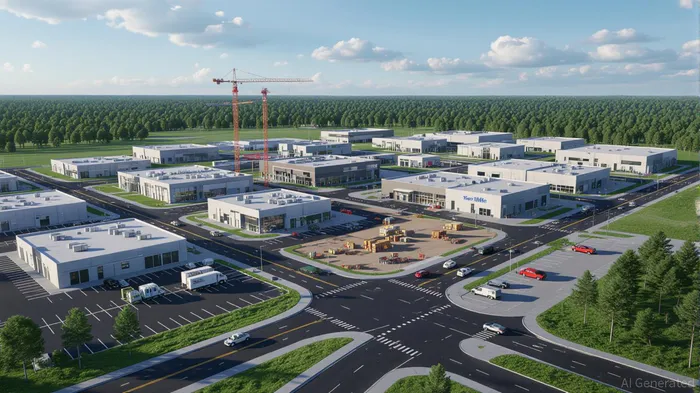 Complementing this effort is the $4.5 million NY Forward Program allocation for downtown revitalization. The Village of Webster is collaborating with state consultants to develop a Strategic Investment Plan, focusing on pedestrian-friendly corridors, mixed-use developments, and enhanced public spaces according to project updates. Meanwhile, the Sandbar Waterfront Revitalization Project, with Phase 1 completed in 2023, is enhancing public access to the Seneca River, potentially catalyzing waterfront commercial and residential development as per project documentation. These coordinated initiatives underscore a deliberate strategy to balance industrial growth with community livability.
Real Estate Market Resilience and Growth
Webster's real estate market has mirrored its economic momentum. As of November 2025, the residential market remains robust, with a median sale price of $317,000 and a mere 0.9 months supply of homes-a testament to strong buyer demand and limited inventory according to market analysis. This resilience is underpinned by the town's proximity to Rochester, its reputation for quality education, and the influx of jobs from projects like the $650 million fairlife production facility, which is projected to create 250 jobs and become operational by late 2025 as detailed in project plans.
Industrial real estate, meanwhile, is experiencing a renaissance of its own. The demolition and environmental remediation of the 600 Ridge Road site-expected to conclude by late 2025-will pave the way for 2026 redevelopment, further expanding the town's industrial footprint according to development timelines. With infrastructure upgrades at the Xerox campus nearing completion, Webster is attracting a diverse mix of manufacturers, logistics firms, and retail developers, creating a virtuous cycle of land value appreciation and investment returns as reported in industry updates.
Strategic Incentives for Developers
Webster's appeal is amplified by a suite of state-backed incentives tailored to reduce development risks and costs. The FAST NY Shovel-Ready Grant Program, for instance, offers three tracks of support for infrastructure improvements and pre-development activities, ensuring sites are "shovel-ready" for immediate investment as described in program details. This program is particularly advantageous for brownfield sites, which benefit from the New York State Brownfield Cleanup Program (BCP). Developers can access tax credits for site preparation, groundwater remediation, and tangible property costs, effectively offsetting cleanup expenses and unlocking previously contaminated land for productive use according to program guidelines.
The Reimagine Webster initiative further strengthens this ecosystem by designating a Brownfield Opportunity Area, prioritizing future state funding for redevelopment as reported in project updates. For investors, this means a lower regulatory and financial barrier to entry, particularly in sectors like advanced manufacturing, where Webster's infrastructure investments are already aligned with industry needs.
Future Outlook and Investment Opportunities
Looking ahead, Webster's strategic location-situated along major freight corridors and within a 90-minute radius of 60% of New York State's population-positions it as a logistics and manufacturing nexus. The town's proactive approach to infrastructure, coupled with its competitive incentives, creates a compelling value proposition for investors in both industrial and residential real estate.
For industrial developers, the availability of pre-vetted sites, such as the Xerox campus and the fairlife facility, offers a rare combination of immediate scalability and long-term growth potential. Meanwhile, residential investors can capitalize on the town's demographic tailwinds, including rising household incomes and a growing workforce drawn by job creation.
Conclusion
Webster, NY, exemplifies how infrastructure-driven development can catalyze economic renaissance. By aligning public investment with private-sector innovation, the town has created a fertile ground for industrial growth, real estate appreciation, and community revitalization. For investors, the message is clear: Webster is not just a town on the rise-it is a blueprint for the future of regional economic development.

Blending traditional trading wisdom with cutting-edge cryptocurrency insights.
Latest Articles
Stay ahead of the market.
Get curated U.S. market news, insights and key dates delivered to your inbox.




Comments
No comments yet