
Inflation Tops 3% in March as Energy Prices Surge, but Beats Expectations as Core Remains Soft
 Aime Summary
U.S. inflation accelerated sharply in March, driven largely by a surge in energy costs linked to escalating geopolitical tensions, according to the latest report from the Bureau of Labor Statistics. However, underlying price pressures remained relatively contained, offering some relief to policymakers.
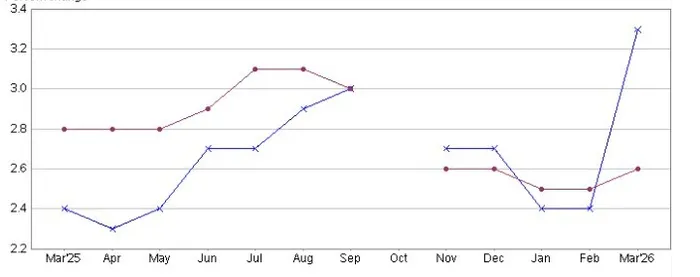
The Consumer Price Index rose 0.9% on a seasonally adjusted basis for the month, a notable jump from February's 0.3% increase. On an annual basis, headline inflation climbed to 3.3%, up from 2.4% previously, reflecting a significant pickup in price pressures, though slightly below the 3.4% consensus.
Energy was the dominant driver behind the increase. The energy index861070-- surged 10.9% in March, marking its largest monthly gain in years. Gasoline prices alone jumped 21.2%, accounting for nearly three-quarters of the overall monthly rise in consumer prices. Fuel oil also posted a sharp increase of 30.7%, while electricity prices edged higher. In contrast, natural gas865032-- prices declined slightly over the month.
Outside of energy, inflation trends were more subdued. Core CPI rose 0.2% on the month and 2.6% from a year ago, both 0.1 percentage point below forecasts, reinforcing the view that underlying inflation remains contained. There were even pockets of disinflation, as medical care, personal care861038--, and used cars861023-- and trucks all declined on a monthly basis, helping to offset broader price pressures.
Food prices were largely unchanged during the month. A decline in grocery prices, particularly in categories such as meats, dairy, and cereals, offset modest increases in dining out costs. Over the past year, food861035-- prices have risen 2.7%, reflecting moderate inflation in this category.
Shelter costs, a key component of core inflation, continued to trend higher, rising 0.3% in March. Other areas such as airline fares, apparel, education, and household furnishings also recorded gains. Meanwhile, the declines in medical care and other categories helped ease overall inflation momentum beneath the surface.
Importantly, the March data captures only the early stages of the recent geopolitical escalation tied to the Iran conflict, meaning the full impact of higher energy prices may not yet be reflected. Even so, the report highlights a clear divergence between volatile headline inflation and more stable underlying trends.
Overall, while rising energy prices have pushed headline inflation back above 3%, the softer core readings suggest that broader inflation pressures remain under control, providing a more balanced outlook for policymakers despite ongoing external risks.

Crypto market researcher and content strategist with 3 years of experience in digital asset analysis and market commentary. Skilled at transforming complex blockchain data and trading signals into clear, actionable insights for investors. Experienced in covering Bitcoin, Ethereum, and emerging ecosystems including DeFi, Layer2, and AI-related projects. Passionate about bridging professional market research with accessible storytelling to empower readers and investors in the fast-evolving crypto landscape.
Latest Articles
Stay ahead of the market.
Get curated U.S. market news, insights and key dates delivered to your inbox.


AInvest
PRO
AInvest
PRO



Comments
No comments yet