
Inflation's Tariff-Fueled Surge: Sector Risks and Strategic Portfolios
The U.S. Federal Reserve's battle against inflation has just grown more complicated. Recent tariff policy shifts—particularly those targeting aluminum, steel, and technology components—are amplifying price pressures, creating uneven risks across equity markets. With the next Consumer Price Index (CPI) release on August 12, 2025, investors face a pivotal moment to reassess sector exposures and rebalance portfolios. This article explores how tariff-driven inflation threatens vulnerable sectors and identifies opportunities in commodities and inflation-linked bonds.
The Tariff-Inflation Nexus: A Sectoral Breakdown
1. Consumer Discretionary: Margin Pressure Ahead
The consumer discretionary sector—home to automakers, retailers, and apparel companies—is ground zero for tariff fallout. Automobile manufacturers, for instance, face 25% tariffs on imported steel and aluminum, raising production costs by an average of 10%. These costs are unlikely to be absorbed entirely by companies; instead, they will trickle down to consumers via higher sticker prices.
Key vulnerability: - Auto OEMs (e.g., Ford, General Motors) are already pricing in these costs, but demand could weaken if inflation expectations rise further. - Retailers (e.g., WalmartWMT--, Target) selling imported goods face margin squeezes as tariffs on non-USMCA-compliant products (e.g., furniture, apparel) remain at 25% or higher.
2. Technology: Supply Chain Headwinds
The tech sector, particularly semiconductor manufacturers and hardware companies, faces dual pressures: - Semiconductor tariffs: Proposed 25%+ tariffs on imported chips and components threaten to disrupt global supply chains. - Input cost inflation: Companies like IntelINTC-- or NVIDIANVDA-- may see rising expenses for critical materials (e.g., copper, rare earths) as tariffs on these commodities climb.
Opportunities for Hedging: Commodities and TIPS
1. Commodities: A Direct Inflation Hedge
Tariffs are acting as a tax on global trade, driving up prices for raw materials. Investors should consider positions in metals (aluminum, copper) and energy (natural gas, oil), which are directly impacted by tariff-related supply constraints and geopolitical tensions.
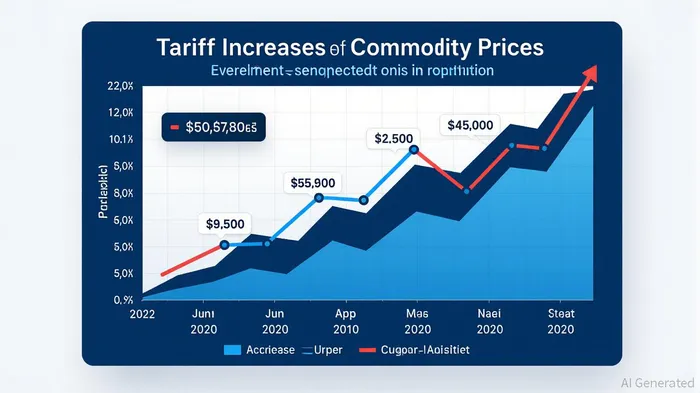
- ETF plays: Consider SPDR S&P Metals & Mining ETF (XME) or iShares U.S. Oil & Gas ETF (IXC).
- Sector-specific risks: Monitor the July CPI release, which could confirm rising energy and industrial commodity costs.
2. Inflation-Linked Bonds (TIPS): A Ballast for Portfolios
With the August 12 CPI release likely to show elevated inflation, Treasury Inflation-Protected Securities (TIPS) offer a direct hedge against rising prices. These bonds' principal adjusts with the CPI, shielding investors from real returns erosion.
Strategic Recommendations for August 2025
- Reduce exposure to vulnerable sectors: Trim holdings in consumer discretionary and technology stocks, particularly those reliant on imported inputs.
- Allocate to commodities: Use ETFs or futures to gain exposure to metals and energy, which stand to benefit from tariff-driven scarcity.
- Add TIPS to fixed-income allocations: Consider iShares TIPS Bond ETF (TIP) to offset equity risks.
- Watch the CPI data: If the August 12 release shows a surprise rise in core inflation, expect a rotation out of discretionary/tech into defensive sectors and commodities.
Conclusion: Act Before the CPI Crossroads
The interplay between tariffs and inflation is no longer theoretical—it's reshaping market dynamics. With the August 12 CPI report serving as a critical catalyst, investors must act preemptively. Vulnerable sectors like consumer discretionary and tech warrant caution, while commodities and TIPS provide tangible inflation hedges. As the Fed's policy path becomes increasingly data-dependent, portfolios must be rebalanced now to weather the tariff-fueled inflation storm.
The clock is ticking—position wisely.

Stay ahead of the market.
Get curated U.S. market news, insights and key dates delivered to your inbox.
AInvest
PRO
AInvest
PRO



Comments
No comments yet