
Inflation's Stealthy Culprits: Why the Fed Can't Cut Rates—and What to Do About It
The Federal Reserve's June 2025 policy statement highlights a gradual easing of inflation, yet beneath the surface, non-tariff factors—from fiscal policy's lingering effects to labor market rigidities—are conspiring to keep prices elevated. This hidden inflation dynamic suggests the Fed may need to maintain higher-for-longer rates, reshaping the investment landscape. Here's why investors should pay attention and pivot their portfolios accordingly.
Fiscal Triggers: Tariffs and Beyond
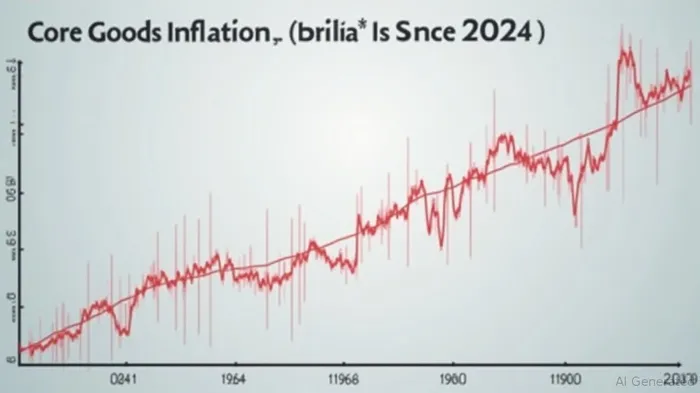
The Fed's report underscores that tariffs are a major contributor to core goods inflation, driving prices for appliances and electronics higher. Nonfuel import prices rose modestly as foreign producers did not offset tariffs with lower prices. While the Fed treats fiscal policy as exogenous, tariffs' impact is undeniable: core goods inflation surged to 0.2% year-over-year in April 2025 from a 0.5% decline a year earlier.
But tariffs aren't the only fiscal wildcard. The Fed's June minutes noted uncertainty over how fiscal measures—such as pending infrastructure spending or tax policies—might interact with trade policies. Even without new fiscal stimulus, the lingering effects of past policies (e.g., pandemic-era spending) risk sustaining demand pressures.
Labor Market Rigidities: Wages and Productivity
The labor market appears “balanced” with unemployment at 4.2%, but disparities persist. Black and Hispanic workers face lingering employment gaps, while prime-age women's participation has slowed. More critically, wage growth remains stubbornly robust. Lower-income workers saw real wage gains outpace inflation, even as labor productivity growth (1.2% in Q1 2025) trails pre-pandemic averages.
This mismatch suggests wage-push inflation isn't fully extinguished. While the Fed expects core nonhousing services inflation to ease to 3.0%, persistent wage pressures in sectors like healthcare and professional services could keep inflation above target. The Fed's June projections now forecast core PCE at 3.1% for 2025—a 0.2 percentage point upward revision from March—reflecting these risks.
Supply Chain Adaptations: New Bottlenecks, Old Problems
Supply chains are stabilizing in some areas, but new disruptions persist. Bird flu continues to elevate egg prices, while steel and aluminum prices rose due to tariffs, squeezing manufacturers. Agricultural commodity prices remain elevated, and global energy markets face geopolitical volatility (e.g., Israel-Iran tensions).
The Fed's report notes that supply chain dynamics are now “sector-specific,” with food and durable goods inflation remaining elevated. These micro-level pressures complicate the Fed's ability to engineer a smooth disinflation.
The Fed's Dilemma: Rates Stay High, Uncertainty Grows
The Fed's June meeting revealed a cautious stance: rates remain at 4.25%–4.50%, and the median dot plot anticipates two 2025 rate cuts—down from earlier expectations. This shift reflects concerns that non-tariff inflation drivers could force the Fed to recalibrate its path.
- Short-term inflation expectations (University of Michigan's 12-month forecast) jumped to 5.1% in June, up from 2.8% in December—a red flag for the Fed.
- Longer-term expectations remain anchored at 2%, but the Fed's revised GDP growth forecast (1.4% for 2025) and higher unemployment projections (4.5%) signal a tightening balance between growth and price stability.
Investment Implications: Hedge Against Stealth Inflation
If the Fed must keep rates high longer than anticipated, investors should prioritize inflation-hedged assets to protect purchasing power.
TIPS (Treasury Inflation-Protected Securities): These bonds adjust principal for inflation, offering safety and yield.
Commodities: Energy and industrial metals (e.g., copper, aluminum) are tied to supply chain dynamics and geopolitical risks.
Real Estate: While housing services inflation has slowed, multifamily properties in high-demand areas could benefit from persistent rent dynamics.
Conclusion: Stay Vigilant, Stay Hedged
The Fed's focus on non-tariff inflation drivers—fiscal lags, labor rigidities, and supply chain quirks—means the era of easy monetary policy is over. Investors ignoring these factors risk exposure to prolonged inflation and policy uncertainty. By reallocating to inflation-linked assets, you can mitigate risk while capitalizing on market dislocations.
The Fed's next move isn't just about rates—it's about navigating a new inflation reality. Stay ahead of the curve.

Stay ahead of the market.
Get curated U.S. market news, insights and key dates delivered to your inbox.


AInvest
PRO
AInvest
PRO



Comments
No comments yet