
Inflation's Silver Lining: Contrarian Plays in Tariff-Hit Sectors
The May 2025 CPI report, showing a 2.3% annual inflation rate—the lowest since 2021—has sparked debate about whether the Fed's rate hikes have finally tamed price pressures. But beneath the headline numbers lies a nuanced story: tariffs and shifting consumer behavior are reshaping inflation dynamics, creating opportunities in overlooked sectors. For contrarian investors, this is no time to ignore inflation-sensitive industries. Instead, it's a chance to position in manufacturing, commodities, and tariffs-affected sectors poised for recovery.
The Tariff Effect: Pain Now, Gain Later
The Bureau of Labor Statistics (BLS) data highlights a stark divide between sectors. While shelter costs (up 4.0% annually) and medical care (2.7%) remain stubbornly high, tariffs are driving volatility in consumer goods. Take clothing: tariffs have pushed shoe prices up 15% short-term, but post-substitution, prices stabilize at 19% higher—a sign of lasting demand for domestic alternatives. Similarly, auto prices surged 9.3% in early 2025, but long-term prices settle at 6.2% higher as supply chains adjust. These sectors are underpriced relative to their long-term resilience, offering a contrarian entry point.
Why Manufacturing and Commodities?
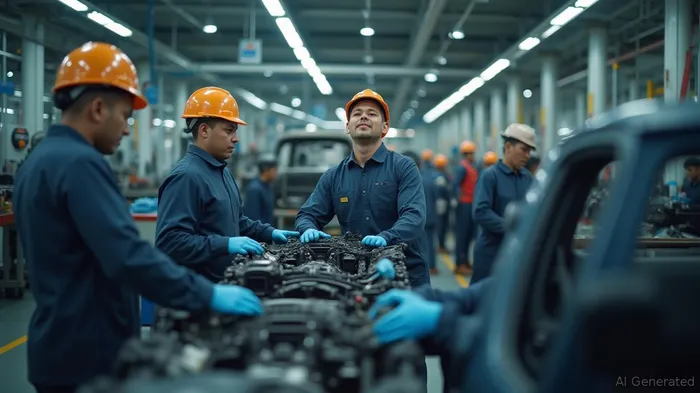
The BLS reports that U.S. manufacturing output grew 1.5% in 2025, driven by tariffs that shield domestic producers from cheaper imports. While construction and agriculture declined (3.1% and 1.1%, respectively), manufacturers are benefiting from reshored production and reduced foreign competition. For example, nonadvanced durable goods (appliances, machinery) rose 2.0%, outpacing the broader sector. This sectoral shift suggests that companies with domestic production capacity or exposure to tariff-affected goods could outperform.
The auto industry exemplifies this trend. Despite a 9.3% short-term price spike, automakers like General Motors (GM) and Ford (F) are benefiting from the U.S.-UK trade deal, which reduced tariffs on imported parts. The S&P 500 Materials Sector (XLB), up 8.5% year-to-date, also reflects rising demand for commodities tied to manufacturing.
Consumer Retreat = Sector Rotation Opportunity
While high inflation has forced consumers to prioritize essentials, the data shows a shift toward domestically produced goods. For instance, China's import share dropped from 14% to 6% as buyers pivot to U.S. or UK suppliers. This substitution effect bodes well for companies in textiles, footwear, and autos that can capitalize on reduced foreign competition.
Consider Whirlpool (WHR), a major appliance manufacturer, or Hanesbrands (HBI) in textiles—both benefit from tariffs that make imported goods less competitive. Even in the energy sector, the natural gas price surge (15.7% annually) highlights opportunities in domestic energy plays like Devon Energy (DVN) or EOG Resources (EOG).
Risks and Considerations
The path isn't without pitfalls. If the Fed raises rates again, sectors reliant on borrowing (like autos) could falter. Additionally, global trade tensions might worsen. But the May CPI's 0.2% monthly rise suggests inflation is stabilizing, reducing the likelihood of aggressive Fed action. Meanwhile, the 90-day China tariff reduction has already averted a 2.9% CPI shock, buying time for markets to adjust.
The Contrarian Playbook
1. Overweight Manufacturing: Focus on companies with domestic production or exposure to tariff-affected sectors.
2. Commodities for Reshoring: Metals, plastics, and energy stocks tied to U.S. production.
3. Short-Term Pain, Long-Term Gain: Use dips in auto or apparel stocks (e.g., Carter's (CRI)) to accumulate positions.
Conclusion: Inflation's Hidden Winners
The CPI data isn't just a barometer of price trends—it's a roadmap for where consumer and corporate behavior is shifting. Tariffs have created losers in the short term but winners in the long term. For investors willing to look past headline inflation and into sector-specific dynamics, the May CPI report signals a buying opportunity in manufacturing and commodities. As shelter costs dominate the CPI, these sectors represent a contrarian bet on the economy's ability to adapt—and thrive—amid new trade realities.
Nick Timiraos
June 6, 2025

Delivering real-time insights and analysis on emerging financial trends and market movements.
Latest Articles
Stay ahead of the market.
Get curated U.S. market news, insights and key dates delivered to your inbox.






Comments
No comments yet