
Inflation Rises in Canada: What 2026 Data Means for Investors
 Aime Summary
Canada’s inflation rate increased to 2.4% in December 2025, driven by the expiration of a temporary GST tax cut. Energy prices declined year-over-year, but core inflation measures showed a convergence near the Bank of Canada’s 2.5% target. Grocery prices, coffee, and beef continue to drive annual price increases, even as monthly growth stabilized between November and December.
Canada’s inflation rate edged up to 2.4% in December, marking the first tick upward since the government’s temporary GST cut expired. While gas prices fell year-over-year, underlying inflation remains in line with the Bank of Canada’s expectations, a sign that price pressures are stabilizing. For investors, this suggests that the central bank may continue its cautious approach to rate decisions, avoiding aggressive hikes unless data shifts sharply.
Why Is Inflation Rising in Canada in 2026?
Inflation rose in December as the benefits of a temporary GST cut, introduced in late 2024, faded from the year-over-year comparisons. This policy had artificially lowered prices in late 2024 and early 2025, leading to a dip in inflation. As the tax cut expired, the base effect caused a modest bounce in the year-over-year rate. At the same time, energy prices fell, moderating some of the upward pressure. However, food and transportation costs remained a drag, with grocery price growth climbing to 5% year-over-year and transportation prices surging 34.5% in December compared to November.
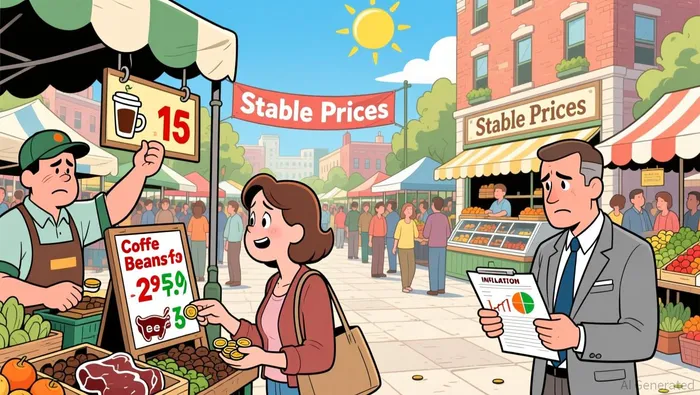
Core inflation — a key metric for the Bank of Canada — showed a more encouraging trend, with two of the central bank’s preferred measures falling in December. This suggests that while headline inflation may appear volatile, underlying price pressures are stabilizing. For investors, the convergence of core inflation to 2.5% is a positive signal. It indicates the economy is not overheating, reducing the likelihood of an aggressive rate hike cycle. Still, with consumer prices for goods like coffee and beef continuing to rise, investors should keep a close eye on food-related sectors.
What Does Latest Inflation Mean for Canadian Investors?
The Bank of Canada closely monitors core inflation to gauge the economy’s health and determine monetary policy. As of December, the central bank’s preferred metrics were converging around its 2.5% target, a sign that inflation is returning to a manageable pace. This aligns with BMO Chief Economist Douglas Porter’s analysis, who noted that the data reflects a "pace of underlying inflation" that is now in line with expectations.
For equity investors, this means the risk of a rapid rate hike cycle in early 2026 is low. However, the rise in food prices and transportation costs could have sector-specific impacts. For example, grocery chains and food producers may see increased demand and pricing power, while travel and transportation firms may struggle with falling airfare and tour prices. Meanwhile, energy companies could see a temporary boost from falling gas prices, but this is more a short-term fluctuation than a long-term trend.
The bottom line is that Canadian investors should view the inflation data as a signal of stabilizing price pressures rather than a warning of overheating. That said, sector exposure is key — particularly for those with holdings in food, energy, and travel. With the central bank likely to maintain a patient stance, now is the time to assess portfolio resilience against potential inflationary or deflationary shifts in early 2026.
What to Watch in Early 2026
Investors should pay close attention to the Bank of Canada’s next move. If core inflation continues to hover near 2.5%, it could signal a pause in rate hikes. On the flip side, if food or service-sector inflation surges, the central bank may revisit tightening measures.
Another key area to monitor is how the expiration of the GST cut affects consumer spending. A modest rise in prices could boost retailers and food producers, but a sharp drop in demand could ripple across the economy. Finally, keep an eye on transportation pricing — the 34.5% monthly rise in December is unusual and may reflect seasonal or outlier factors.
In short, while the December inflation data is a modest uptick, the broader trend is one of stabilization. For investors, this means staying nimble across sectors and watching for policy signals from the central bank in early 2026.

Stay ahead of the market.
Get curated U.S. market news, insights and key dates delivered to your inbox.


AInvest
PRO
AInvest
PRO



Comments
No comments yet