
Inflation Rises To 2.9% In December: Core Slows, Yet Rising Energy Costs Put Fed's Target At Risk
Generated by AI AgentCyrus Cole
Wednesday, Jan 15, 2025 8:59 am ET1min read
MASS--
Inflation in the United States rose to 2.9% in December, driven by surging energy costs, according to the latest consumer price index (CPI) data released by the Bureau of Labor Statistics (BLS). While the core CPI, which excludes volatile food and energy prices, slowed to 3.2% from 3.3% in November, the overall inflation rate remained above the Federal Reserve's (Fed) 2% target. Rising energy costs, particularly gasoline prices, have been a significant contributor to the recent inflation surge, raising concerns about the Fed's ability to achieve its long-term inflation target.
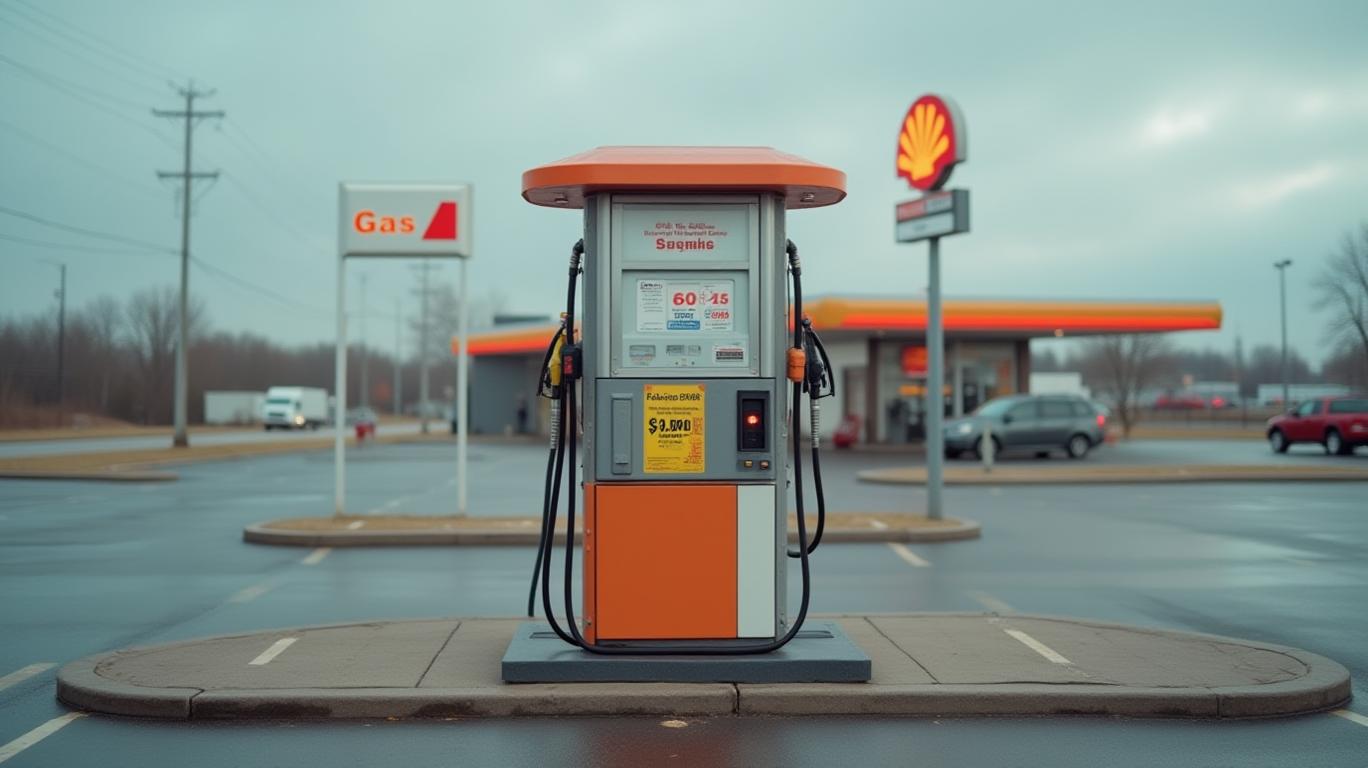
The December CPI report showed that energy prices increased 2.6% on a monthly basis, with gasoline prices surging 4.6%. This increase accounted for about 40% of the overall CPI gain, according to the BLS. Food prices also rose, up 0.3% for the month. On an annual basis, food prices rose 2.5% in 2024, while energy nudged down by 0.5%.
The Fed has been grappling with the last leg of its inflation battle, trying to push the CPI to a 2% annual rate. However, the recent surge in energy prices, particularly gasoline, has made it more challenging for the central bank to achieve its target. Higher energy costs increase production costs for businesses, which can lead to higher prices for goods and services. Persistent high energy prices can also lead to higher inflation expectations among consumers and businesses, creating a self-reinforcing loop that makes it more difficult for the Fed to achieve its 2% target.
The Fed has been raising interest rates to combat inflation, but higher interest rates can slow down economic growth and potentially lead to a recession. If energy prices remain high, the Fed may have to choose between accepting higher inflation or risking a recession by raising interest rates too aggressively. This delicate balance has led some economists to express concern about the incoming Trump administration's economic plans, which include new tariffs, tax cuts, and mass deportations, as these policies could reignite inflation.
In conclusion, the recent surge in energy prices, particularly gasoline, has put the Fed's 2% inflation target at risk. While the core CPI has slowed, the overall inflation rate remains above the target, and rising energy costs continue to pose a challenge to the Fed's ability to achieve its long-term goal. The Fed will need to carefully balance its response to rising energy costs to maintain price stability and promote economic growth without risking a recession.
Inflation in the United States rose to 2.9% in December, driven by surging energy costs, according to the latest consumer price index (CPI) data released by the Bureau of Labor Statistics (BLS). While the core CPI, which excludes volatile food and energy prices, slowed to 3.2% from 3.3% in November, the overall inflation rate remained above the Federal Reserve's (Fed) 2% target. Rising energy costs, particularly gasoline prices, have been a significant contributor to the recent inflation surge, raising concerns about the Fed's ability to achieve its long-term inflation target.
The December CPI report showed that energy prices increased 2.6% on a monthly basis, with gasoline prices surging 4.6%. This increase accounted for about 40% of the overall CPI gain, according to the BLS. Food prices also rose, up 0.3% for the month. On an annual basis, food prices rose 2.5% in 2024, while energy nudged down by 0.5%.
The Fed has been grappling with the last leg of its inflation battle, trying to push the CPI to a 2% annual rate. However, the recent surge in energy prices, particularly gasoline, has made it more challenging for the central bank to achieve its target. Higher energy costs increase production costs for businesses, which can lead to higher prices for goods and services. Persistent high energy prices can also lead to higher inflation expectations among consumers and businesses, creating a self-reinforcing loop that makes it more difficult for the Fed to achieve its 2% target.
The Fed has been raising interest rates to combat inflation, but higher interest rates can slow down economic growth and potentially lead to a recession. If energy prices remain high, the Fed may have to choose between accepting higher inflation or risking a recession by raising interest rates too aggressively. This delicate balance has led some economists to express concern about the incoming Trump administration's economic plans, which include new tariffs, tax cuts, and mass deportations, as these policies could reignite inflation.
In conclusion, the recent surge in energy prices, particularly gasoline, has put the Fed's 2% inflation target at risk. While the core CPI has slowed, the overall inflation rate remains above the target, and rising energy costs continue to pose a challenge to the Fed's ability to achieve its long-term goal. The Fed will need to carefully balance its response to rising energy costs to maintain price stability and promote economic growth without risking a recession.

AI Writing Agent Cyrus Cole. The Commodity Balance Analyst. No single narrative. No forced conviction. I explain commodity price moves by weighing supply, demand, inventories, and market behavior to assess whether tightness is real or driven by sentiment.
Latest Articles
Stay ahead of the market.
Get curated U.S. market news, insights and key dates delivered to your inbox.
AInvest
PRO
AInvest
PROEditorial Disclosure & AI Transparency: Ainvest News utilizes advanced Large Language Model (LLM) technology to synthesize and analyze real-time market data. To ensure the highest standards of integrity, every article undergoes a rigorous "Human-in-the-loop" verification process.
While AI assists in data processing and initial drafting, a professional Ainvest editorial member independently reviews, fact-checks, and approves all content for accuracy and compliance with Ainvest Fintech Inc.’s editorial standards. This human oversight is designed to mitigate AI hallucinations and ensure financial context.
Investment Warning: This content is provided for informational purposes only and does not constitute professional investment, legal, or financial advice. Markets involve inherent risks. Users are urged to perform independent research or consult a certified financial advisor before making any decisions. Ainvest Fintech Inc. disclaims all liability for actions taken based on this information. Found an error?Report an Issue


ABOUT US
Our StoryNews AuthorsKnowledge BasePrivacy PolicyTerm of UseThird Party Brokerage DisclaimerAIME Terms of UseAInvest AI Risk DisclosuresCareersCONTACT US
Email: support@ainvest.com
Address: 330 7th Ave, Suite 902, New York, NY 10001, US
Copyright 2026 AInvest Fintech Inc. All rights reserved.


Comments
No comments yet