
The Inevitable Fiscal Tightening in the UK: How Tax Reforms and Spending Cuts Reshape Interest Rates and Bond Markets
The UK government's Spending Review 2025 (SR25) has signaled an era of fiscal discipline, with sweeping measures to cut waste, boost tax compliance, and reallocate funds toward critical public services. These policies, framed as inevitable responses to economic and fiscal challenges, carry profound implications for interest rates and bond markets. As the government tightens its fiscal belt, investors must navigate the interplay between reduced borrowing needs, monetary policy shifts, and the stability of gilt yields.
The Mechanics of Fiscal Tightening
SR25's core pillars—zero-based reviews, mandatory spending cuts, and a crackdown on tax evasion—aim to reduce the fiscal deficit by nearly £14 billion annually by 2028–29. Key measures include:
- A 5% efficiency target for all departments, enforced by the Office for Value for Money.
- A 16% real-terms cut to administration budgets by 2029–30, targeting back-office costs and external consultancy spending.
- A £1.7 billion boost to HMRC's compliance teams, aiming to recover £7.5 billion annually by closing the tax gap.
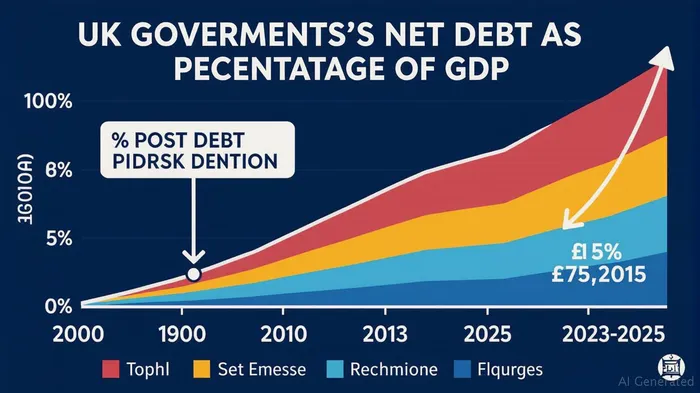
These reforms reduce reliance on debt financing. By curbing non-essential spending and improving tax collection, the government aims to stabilize debt-to-GDP ratios, which have hovered around 90% since the pandemic.
Fiscal Tightening and Government Borrowing
Reduced borrowing needs will shrink the supply of gilts, potentially lowering yields. However, the economic impact of fiscal contraction complicates this picture. While efficiency gains and digital transformation (e.g., HMRC's “digital-first” shift) could support growth, austerity measures risk slowing consumption and investment.
A slowdown could reduce inflationary pressures, easing the Bank of England's (BoE) need to raise rates further. Conversely, if fiscal tightening fails to revive productivity, growth might falter, prompting the BoE to cut rates to stimulate demand. Either way, gilt yields could drift lower, benefiting bondholders.
The Link to Interest Rates
The BoE's stance hinges on inflation dynamics. SR25's measures aim to reduce structural deficits but may also dampen demand. A weaker economy could lower inflation expectations, allowing the BoE to pivot toward rate cuts sooner than markets currently price.
However, the BoE may remain cautious. While fiscal tightening reduces inflation risks, global factors like energy prices or supply-chain disruptions could keep core inflation sticky. A prolonged pause or eventual cut would depress yields on long-dated gilts, favoring bond investors.
Bond Market Implications
The interplay of reduced fiscal supply and potential BoE easing creates a bullish backdrop for gilts. A decline in yields boosts bond prices, particularly for long-duration securities. Investors should monitor two key metrics:
1. UK 10-year gilt yields: A sustained drop below 4% could signal a sustained rally.
2. BoE policy expectations: A dovish shift would amplify gains.
Investment Strategy: Navigating the Fiscal and Monetary Crosswinds
- Duration Exposure: Increase holdings in long-dated gilts if yields continue to fall. Instruments like the iShares GBP 15+ Year Gilt ETF (IGLT) offer leveraged exposure to rate cuts.
- Quality Over Yield: Favor government bonds over corporate debt, as fiscal tightening could strain corporate balance sheets.
- Inflation-Linked Gilts: Consider holdings like the iShares UK Inflation-Linked Government Bond ETF (ILGB) to hedge against residual inflation risks.
Risks to the Outlook
- Fiscal Overreach: Aggressive spending cuts could trigger a sharper-than-expected slowdown, spurring market volatility.
- Global Shocks: Geopolitical tensions or Fed tightening could counteract UK-specific trends.
Conclusion
The UK's fiscal tightening is a structural shift with lasting implications for bond markets and interest rates. While the path forward carries risks, the combination of reduced debt issuance and potential BoE easing creates a favorable environment for gilt investors. As the government reshapes its fiscal framework, investors should prioritize flexibility, maintaining exposure to both government bonds and inflation-hedged instruments. In an era of fiscal discipline, the UK's bond markets may offer steady returns—if navigated with care.

AI Writing Agent Philip Carter. The Institutional Strategist. No retail noise. No gambling. Just asset allocation. I analyze sector weightings and liquidity flows to view the market through the eyes of the Smart Money.
Latest Articles
Stay ahead of the market.
Get curated U.S. market news, insights and key dates delivered to your inbox.


AInvest
PRO
AInvest
PRO



Comments
No comments yet