
Industrial Real Estate Opportunities in Webster, NY, Amid Strategic Infrastructure Grants


 Aime Summary
A Blueprint for Revitalization
The FAST NY grant has been instrumental in modernizing critical infrastructure, including road realignment, sewer system expansion, and electrical grid upgrades. These improvements have transformed the former Xerox campus into a "shovel-ready" site, attracting private investments such as the $650 million fairlife® dairy facility, which is projected to create 250 jobs by 2025. The project exemplifies how public funding can de-risk private-sector participation, enabling developers to capitalize on previously underutilized brownfield sites.
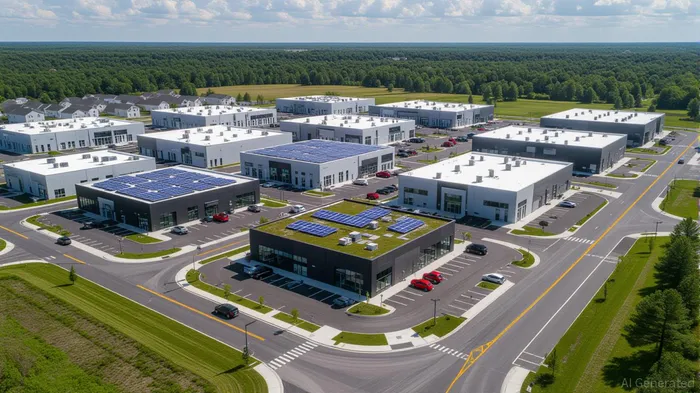 Webster's success hinges on its ability to align public and private incentives. For instance, the NY Forward Program has allocated $4.5 million to revitalize the Village of Webster's downtown area, enhancing walkability and commercial viability while reinforcing the town's appeal as a mixed-use destination. Such initiatives demonstrate that infrastructure investments are not confined to industrial corridors but extend to urban cores, creating synergies that amplify overall economic returns.
Quantifying the Impact
The economic ripple effects of these efforts are already evident. Residential property values in Webster have surged by 10.1% annually, a direct consequence of improved infrastructure and job creation. Industrial vacancy rates have plummeted to 2%, underscoring robust demand for modern facilities in sectors ranging from food production to renewable energy according to recent data. These metrics highlight a virtuous cycle: infrastructure upgrades attract businesses, which in turn drive employment and housing demand, further elevating property values and tax revenues.
Third-party analyses reinforce this narrative. According to a report by the Webster Economic Development Alliance (WEDA), the town's strategic rezoning of the Xerox campus and its focus on equitable tax policies have created a business-friendly environment, reducing barriers for developers while ensuring community benefits. Additionally, the Sandbar Waterfront Revitalization Project-funded in part by $4.5 million in grants-has enhanced recreational and educational amenities, indirectly boosting the area's attractiveness for both residents and investors.
Long-Term Projections and Risks
Looking ahead, Webster's industrial real estate market is poised for sustained growth through 2035. The town's alignment with broader trends-such as e-commerce-driven logistics demand and the reshoring of manufacturing-positions it to capitalize on national shifts. A 2025 industry outlook report emphasizes that modern, functional spaces will remain in high demand, with rental growth and investor interest expected to outpace traditional commercial sectors.
However, the long-term success of Webster's model depends on maintaining momentum in infrastructure funding and PPP execution. While the town has secured critical grants, future projects such as wastewater treatment plant modernization will require continued public-private collaboration to sustain the current trajectory. Academic literature on PPPs cautions that governance challenges and risk mismanagement can derail such efforts, underscoring the need for transparent frameworks and adaptive policymaking according to research.
A Model for Secondary Markets
Webster's experience offers valuable lessons for other post-industrial communities. By prioritizing infrastructure as a catalyst for private investment, the town has demonstrated that brownfield redevelopment can yield both economic and environmental dividends. The integration of ESG-focused initiatives-such as the $20 million wastewater treatment upgrade-further aligns with the growing emphasis on sustainable development, enhancing Webster's appeal to socially conscious investors.
For investors, the key takeaway is clear: Webster's strategic use of PPPs and infrastructure grants has created a self-reinforcing ecosystem where industrial and residential assets appreciate in tandem. As the town moves toward full site readiness by 2026, the window for capitalizing on its transformation remains open, offering a rare opportunity to participate in a market where value creation is not speculative but already in motion.

Blending traditional trading wisdom with cutting-edge cryptocurrency insights.
Latest Articles
Stay ahead of the market.
Get curated U.S. market news, insights and key dates delivered to your inbox.
AInvest
PRO
AInvest
PRO



Comments
No comments yet