
U.S. Industrial Production: Metals and Mining Outperform Chemicals—Strategic Implications for Investors
 Aime Summary
The U.S. industrial production landscape in September 2025 reveals a stark divergence between the Metals and Mining sector and the Chemical Products industry. While the former demonstrated robust growth, the latter faced a marginal decline, offering critical insights for investors seeking to navigate sector-specific dynamics.
Metals and Mining: A Rebound Driven by Durable Goods Demand
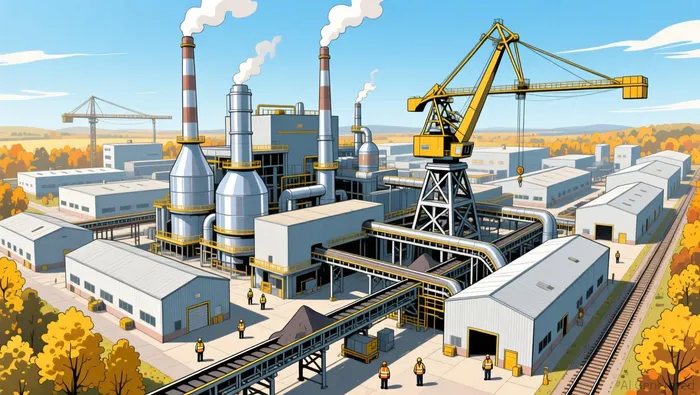
The Metals and Mining sector emerged as a key driver of industrial output, . This resilience aligns with broader trends in durable goods manufacturing, where aerospace, transportation equipment, and electronics sectors posted notable gains. The mining sector, though flat in September, , reflecting stable demand for base metals and minerals.
The sector's strength is underpinned by structural factors, including the green energy transition and infrastructure spending. For instance, the demand for copper and aluminum in renewable energy systems and electric vehicles continues to outpace supply constraints. Investors should monitor companies like Freeport-McMoRan (FCX) and Carnegie Clean Energy (CCG), which are positioned to benefit from these tailwinds.
Chemical Products: A Drag on Nondurable Goods Growth
In contrast, the Chemical Products industry, , . , highlighting volatility in demand. The drop was attributed to weaker performance in chemical manufacturing, which offset gains in other nondurable goods categories.
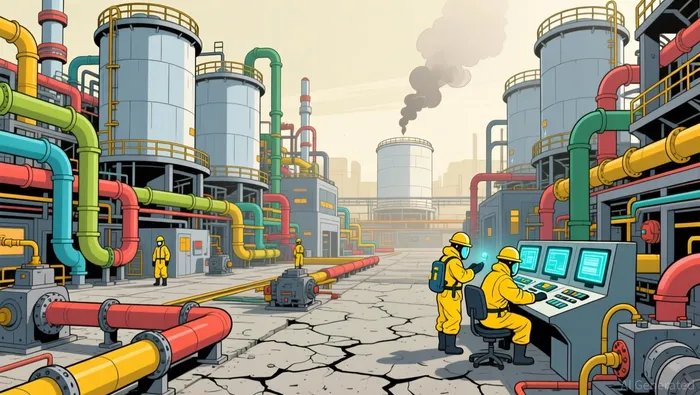
The sector's challenges stem from a combination of factors: softening demand in construction and automotive industries, regulatory pressures on emissions, and inventory adjustments. While chemical producers like Dow Inc. (DOW) and LyondellBasell Industries (LYB) have historically shown resilience, their near-term outlook remains clouded by macroeconomic headwinds.
Strategic Positioning: Balancing Sector Exposure
The divergent performances of these sectors underscore the importance of strategic positioning. For investors, the Metals and Mining sector offers a compelling case for overweight allocation, particularly in companies with exposure to critical minerals and advanced manufacturing. Conversely, the Chemical Products industry may require a more cautious approach, with a focus on firms demonstrating cost efficiency and innovation in specialty chemicals.
However, long-term investors should not overlook the cyclical nature of both sectors. . Meanwhile, metals producers must navigate risks such as overcapacity and geopolitical supply chain disruptions.
Conclusion: Navigating the Industrial Cycle
The September 2025 industrial production data highlights a critical inflection point for U.S. manufacturing. While the Metals and Mining sector is well-positioned to capitalize on structural growth drivers, the Chemical Products industry faces near-term headwinds. Investors should adopt a nuanced approach, leveraging sector-specific insights to balance risk and reward. As the industrial cycle evolves, staying attuned to both macroeconomic signals and company-level fundamentals will be key to unlocking value.

Stay ahead of the market.
Get curated U.S. market news, insights and key dates delivered to your inbox.
AInvest
PRO
AInvest
PRO



Comments
No comments yet