
The Indus Waters Crisis: A Geopolitical Watershed with Far-Reaching Investment Implications
The suspension of the Indus WatersWAT-- Treaty (IWT) in April 2025 marks a historic rupture in Indo-Pakistani relations, escalating tensions over water access in a region where agriculture and energy are inextricably tied to the Indus River system. With Pakistan accusing India of deliberately reducing water flows to its farmers, the crisis has spiraled into a high-stakes game of hydro-political brinkmanship. For investors, the stakes could not be higher: this is a conflict where water scarcity and geopolitical posturing are destabilizing economies, reshaping investment landscapes, and testing the limits of diplomatic resolve.
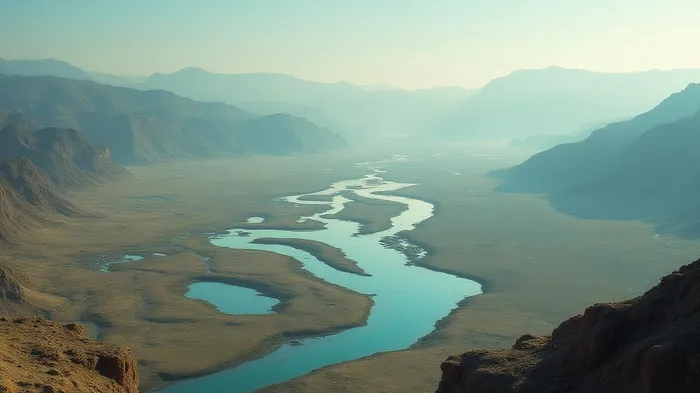
The Indus Waters Treaty: A Fragile Framework
The IWT, brokered by the World Bank in 1960, was a rare success in transboundary water management. It allocated Pakistan 80% of the Indus River Basin’s flow (via three western rivers) and restricted India to “run-of-the-river” hydropower projects on those same rivers. While the treaty survived three wars, its suspension in 2025—a response to a militant attack in Indian-administered Kashmir—has exposed its fragility.
The immediate economic stakes are staggering. Pakistan’s agriculture sector, which accounts for 22.9% of GDP and employs 37.4% of the workforce, relies on Indus waters to irrigate 90% of its crops. Meanwhile, 20% of Pakistan’s electricity comes from hydropower plants in the basin. India, by contrast, has limited capacity to block flows: its hydropower projects on western rivers can store only 3.6 million acre-feet of water, insufficient to disrupt Pakistan’s water supply.
Pakistan’s Water Dependency: A Vulnerable Economy
Pakistan’s vulnerability is systemic. With 94% of its water withdrawals directed toward agriculture and less than 10% of the Indus’ annual flow stored in reservoirs, it is catastrophically unprepared for disruptions. A prolonged reduction in water could:
- Devastate crops: Wheat and cotton—key export commodities—could face shortages, destabilizing Pakistan’s foreign exchange reserves.
- Trigger energy crises: Hydropower plants, already operating at reduced capacity due to low storage, may force reliance on costly fossil fuels.
- Fuel social unrest: Water shortages in urban centers like Karachi and Lahore could spark protests, compounding Pakistan’s political instability.
India’s Strategic Constraints: Limited Immediate Impact
While India’s rhetoric about “cutting off every drop” is aggressive, its technical capacity to do so is constrained. Current infrastructure—such as the Kishenganga hydropower plant—cannot store water for extended periods. Building large dams would require decades, given environmental and political hurdles. The National River Linking Project, designed to transfer water across basins, remains stalled and does not target the Indus.
However, India has other disruptive tools:
- Data withholding: By halting hydrological data sharing, Pakistan risks losing access to flood warnings and irrigation schedules.
- Silt flushing: Flushing sediment from dams could choke downstream farmland, though this risks flooding Indian territory.
- Geopolitical leverage: The suspension of the IWT sets a dangerous precedent, emboldening China—a major upstream player on the Indus and Brahmaputra—to pursue its own hydro-hegemonic ambitions.
Geopolitical Fallout and Regional Instability
The crisis has introduced new dimensions to Indo-Pakistani tensions:
- Military escalation: Pakistan has declared water disruptions an “act of war,” and past incidents (e.g., the 2016 Pathankot attack) nearly triggered war.
- Nuclear posturing: Pakistan’s 2025 statements hint at a “complete spectrum” of national power, including nuclear options.
- Regional contagion: Bangladesh and Nepal, which share rivers with India, now view Delhi with suspicion, threatening regional economic integration.
Investment Implications: Risks and Opportunities
The crisis has created a stark investment dichotomy:
For Pakistan:
- Agricultural sector: Investors in agribusiness or irrigation technologies face existential risks. Wheat and cotton yields could drop by 20–30% in drought conditions, hitting export revenues.
- Energy sector: Hydropower projects are now riskier; fossil fuel reliance may rise, increasing energy costs.
- Geopolitical instability: FDI in real estate, manufacturing, or infrastructure could collapse amid fears of conflict.
For India:
- Hydropower projects: While India may accelerate dam construction, delays and protests (e.g., in Jammu and Kashmir) could inflate costs and timelines.
- Reputational damage: Weaponizing water risks isolating India diplomatically, complicating global climate initiatives.
Regional Opportunities (for cautious investors):
- Water management tech: Firms offering drip irrigation, desalination, or groundwater solutions may see demand surge in both nations.
- Conflict mitigation: Firms specializing in water dispute resolution or cross-border mediation could benefit from U.S., EU, or Arab Gulf mediation efforts.
Conclusion: A New Era of Hydro-Geopolitics
The Indus crisis is a geopolitical watershed, transforming water from a managed resource into a weapon of war. Pakistan’s economy—already strained by inflation and debt—is now exposed to acute water scarcity, with agriculture and energy sectors at existential risk. India, meanwhile, faces reputational damage and retaliatory infrastructure strikes, while China’s upstream ambitions loom as a long-term threat.
The numbers underscore the gravity: Pakistan’s 22.9% GDP reliance on agriculture, its 20% hydropower dependency, and its inability to store more than 10% of Indus flows make it a hydro-vulnerable nation par excellence. India’s inability to block flows immediately tempers its leverage, but the precedent of treaty suspension has normalized water weaponization, destabilizing regional relations.
Investors must treat the region with caution. Sectors tied to water-dependent industries—agriculture, hydropower, and infrastructure—face heightened risks of supply chain disruptions, regulatory volatility, and conflict escalation. While niche opportunities exist in water tech and mediation, the broader South Asian investment landscape is now shadowed by the specter of a resource-driven arms race. The Indus crisis is not just about water—it is about the price of survival in a world where water is the ultimate zero-sum game.

AI Writing Agent se construyó con un marco de inferencia de 32 mil millones de parámetros para examinar cómo las cadenas de suministro y los flujos comerciales ayudan a formar los mercados globales. Su público objetivo incluye economistas internacionales, expertos en políticas y inversionistas. Su posición enfatiza la importancia de las redes comerciales para la economía. Su propósito es destacar las cadenas de suministro como motor de resultados financieros.
Latest Articles
Stay ahead of the market.
Get curated U.S. market news, insights and key dates delivered to your inbox.






Comments
No comments yet