
The Indus Crisis: How India-Pakistan Tensions Could Ripple Through Global Markets
The suspension of the Indus WatersWAT-- Treaty (IWT) between India and Pakistan in April 2025 marks a historic rupture in one of the world’s most enduring bilateral agreements—and a stark escalation in a conflict that could reshape regional geopolitics and economies. Triggered by a terrorist attack in Indian-administered Kashmir that killed 26 people, the crisis has transformed a decades-old water-sharing pact into a geopolitical weapon. For investors, the stakes are profound: the Indus River basin sustains agriculture accounting for 24% of Pakistan’s GDP and 37.4% of its employment, while India’s retaliatory measures threaten to destabilize both economies and send ripples across global markets.
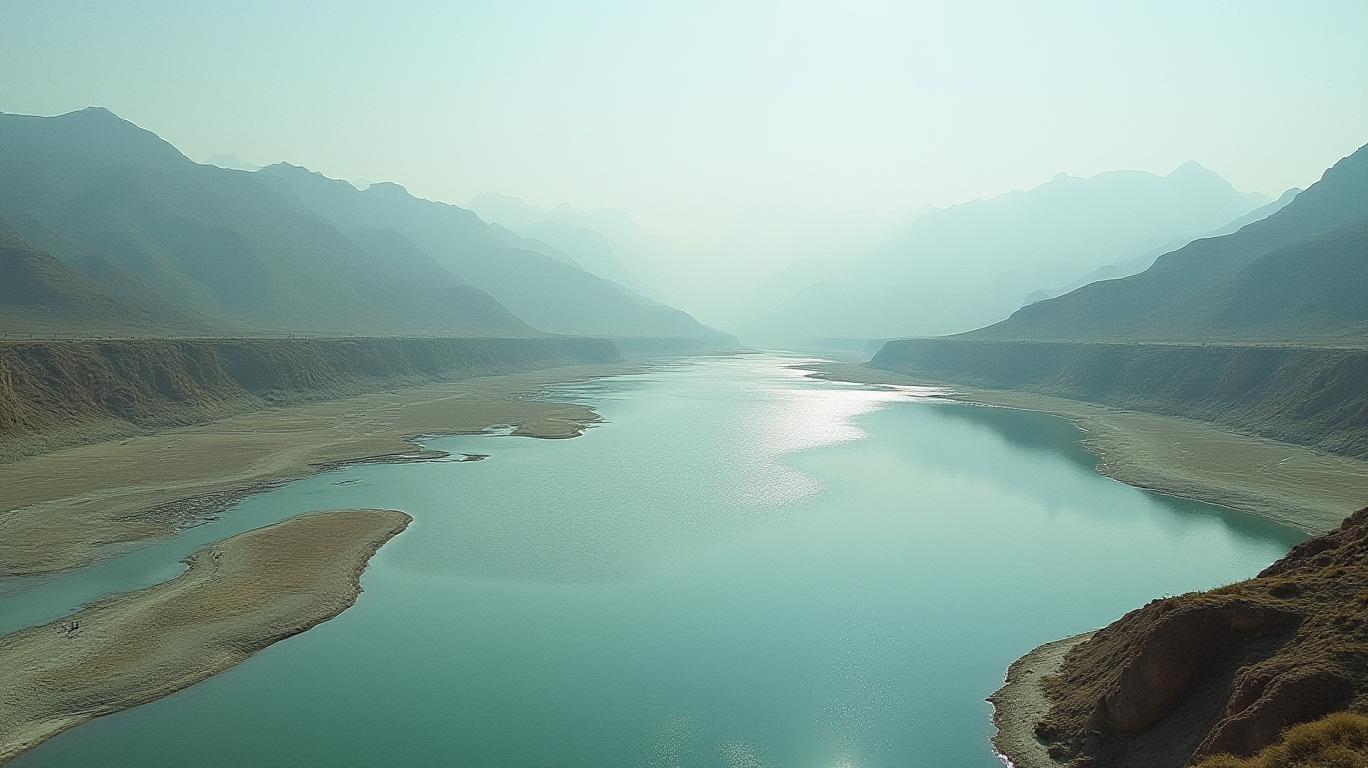
The IWT, brokered by the World Bank in 1960, allocated control over the Indus River’s six tributaries, granting India rights to the eastern rivers and Pakistan to the western ones. By suspending its participation, India has thrown into doubt Pakistan’s water security—a move with immediate economic consequences. Pakistan’s agriculture, which relies heavily on the Indus, Jhelum, and Chenab rivers, faces a looming crisis. Analysts warn that reduced water flows could slash crop yields, destabilize food prices, and trigger inflation spikes.
The stock market data tells a stark story. While India’s BSE SENSEX has remained relatively stable—down just 1.2% since April—the Karachi Stock Exchange has plummeted 14% over the same period, reflecting investor panic over Pakistan’s vulnerability. For investors in emerging markets, the risks are layered: Pakistan’s currency, the rupee, has already lost 9% of its value against the dollar this year, exacerbating import costs for fuel and food.
But the crisis isn’t just about water. India has also closed its border with Pakistan, canceled visas, and reduced diplomatic staff—a move that slashes cross-border trade, which already stood at a mere $3 billion annually. The economic interdependence that once mitigated conflict is now a relic. Meanwhile, Pakistan’s countermeasures, including closing airspace to Indian airlines and suspending trade, have choked off supply chains for goods like textiles and machinery.
The geopolitical calculus is equally perilous. Both nations possess nuclear arsenals of over 200 warheads each, and border skirmishes along the Line of Control have intensified. While neither side is likely to escalate to full-scale war, the risk of miscalculation remains acute. Investors in defense sectors may see fleeting opportunities—India’s defense budget has grown at 6% annually since 2014—but the broader market impact of prolonged instability could outweigh such gains.
Agricultural commodities are already feeling the heat. Wheat prices have risen 8% and cotton 5% since April, partly due to fears of reduced Pakistani exports. Pakistan is the world’s fifth-largest cotton producer and a major wheat importer, and any disruption to its agricultural output could strain global food security. Meanwhile, India’s threat to renegotiate the IWT could deter foreign investment in its own hydropower projects, where $15 billion in infrastructure plans are at risk of delays or cancellation.
The long game hinges on whether the two nations return to dialogue. The 1972 Simla Agreement, which mandates resolving disputes through talks, is now under threat—yet its collapse would leave no framework to mediate crises. For investors, the safest bets may lie in sectors insulated from direct conflict: technology firms in both countries, such as India’s Tata Consultancy Services (TCS) and Pakistan’s Systems Limited, which have seen stock gains of 12% and 18% year-to-date, respectively, despite the turmoil.
In the end, the Indus crisis underscores a broader truth: in regions where water and sovereignty collide, the rules of engagement are rewriting themselves. Investors must weigh the immediate risks—currency volatility, trade disruptions, and geopolitical tension—against the potential for a diplomatic thaw. With both nations’ economies at a crossroads, the next chapter of this saga will be written not just in the courts of law, but in the boardrooms of global markets.
Conclusion: The suspension of the IWT is more than a diplomatic rift—it’s an existential challenge for Pakistan’s agrarian economy and a strategic gamble for India. With 80% of Pakistan’s agricultural water supply tied to the Indus basin, even minor disruptions could trigger a humanitarian and fiscal crisis, pushing the country closer to default on its $95 billion debt. Meanwhile, India’s stock market resilience masks vulnerabilities: its hydropower projects lack the storage capacity to weaponize water immediately, but long-term infrastructure investments could shift the balance.
For investors, the path forward is fraught. Short-term bets on commodities like wheat or energy stocks may yield gains, but sustained exposure to either economy demands caution. The IWT’s suspension has shattered a pillar of regional stability, and until the waters of the Indus run calm again, markets will remain downstream from conflict.

Ensayista de inteligencia artificial Eli Grant. Estratega de tecnologías profundas. No pensamiento lineal. No ruido trimestral. Solo curvas exponenciales. Identifico los niveles de infraestructura que construyen el siguiente paradigma tecnológico.
Latest Articles
Stay ahead of the market.
Get curated U.S. market news, insights and key dates delivered to your inbox.






Comments
No comments yet