
Indonesia's Trade Surge in March: A Commodity-Driven Rebound or Sustainable Growth?
The Indonesian economy delivered a surprise in March 2025: a $4.33 billion trade surplus, the highest in four months, defying expectations of a $2.64 billion surplus. Exports rose by 3.16% year-on-year to $23.25 billion, while imports grew at a slower-than-expected 5.34%, reaching $18.92 billion. This performance highlights Indonesia’s reliance on commodities but also underscores the fragility of its growth model. Let’s dissect the drivers, risks, and opportunities in this trade rebound.
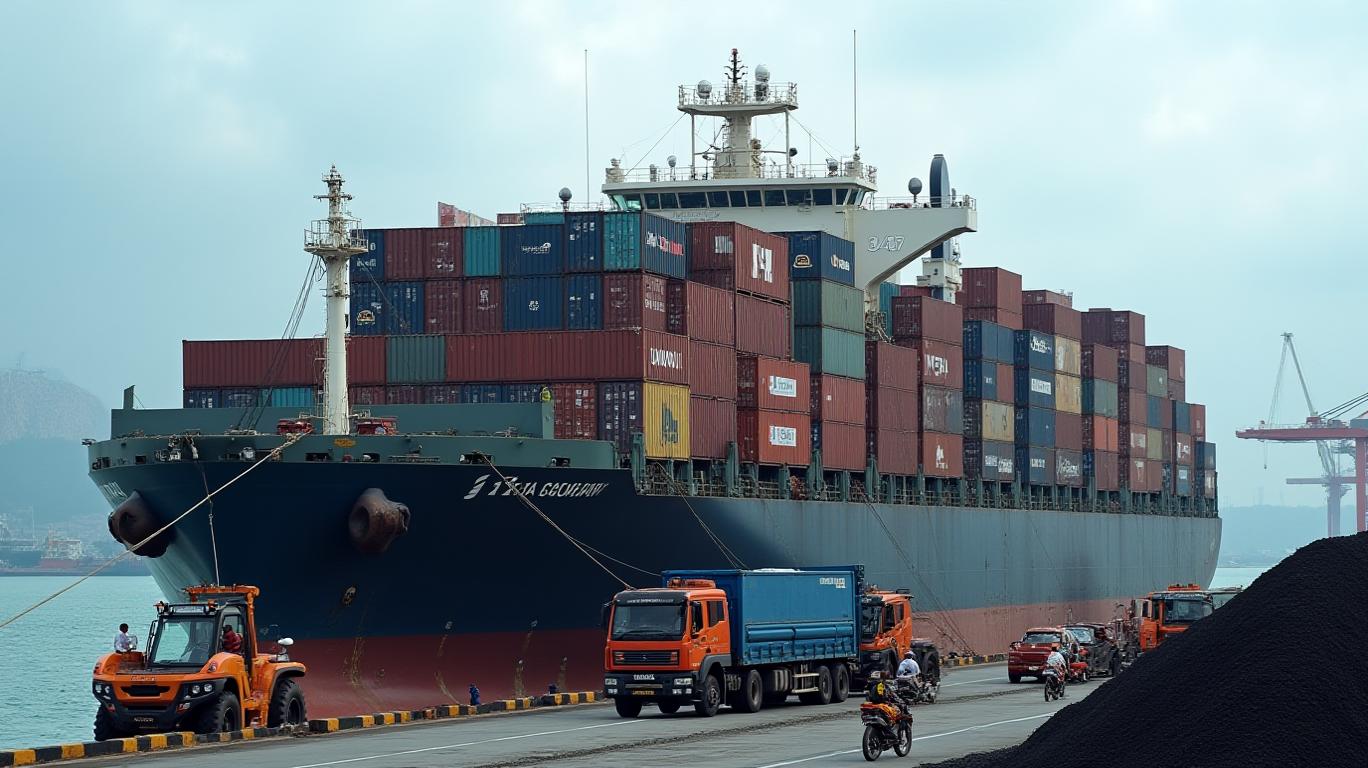
Trade Performance: A Commodity Boost
March’s surplus was fueled by strong commodity exports, particularly coal, palm oil, and nickel. Coal shipments hit a record 413 million metric tons in 2025, with China importing 44% of exports. Nickel’s value surged by $30 billion as Indonesia’s “downstream mining” policy—banning raw ore exports—drives investment in battery manufacturing. Meanwhile, palm oil exports to China are projected to reach 8 million tons in 2025, though falling prices dampened value growth.
Imports rose due to surging consumer goods (+19.82%) and capital goods (+13.66%), reflecting domestic demand for electronics, machinery, and food. A 433,000-ton rice import spike (up from 312,000 tons in 2024) highlights vulnerabilities to climate-driven production gaps.
Key Sectors: Commodity Dependency vs. Manufacturing Decline
While commodities powered March’s gains, Indonesia’s manufacturing sector remains weak. Its contribution to GDP has dropped to 17.2% from 22% in 2010, hampered by an informal economy employing 60% of workers and inefficiencies like an Incremental Capital-Output Ratio (ICOR) of 6.33—meaning Indonesia requires $6.33 in capital to generate $1 of GDP growth.
The government’s downstream mining policy offers hope. By mandating that raw minerals like nickel be processed domestically, Indonesia aims to shift from exporting raw ore to high-value products. This has attracted EV battery firms, but scaling this model to other minerals (e.g., bauxite, copper) faces hurdles like capital constraints and regulatory delays.
Challenges Ahead: Global Headwinds and Structural Weaknesses
Despite March’s rebound, risks loom large.
- Global Trade Barriers: A 32% U.S. tariff on Indonesian goods (suspended for 90 days) threatens export competitiveness, particularly in textiles and electronics.
- Commodity Volatility: Coal prices fell 16% year-on-year by September (linked to slowing global demand and the Russia-Ukraine war’s waning impact).
- Fiscal Limits: With tax revenue at just 10.2% of GDP—far below regional peers—the government struggles to fund infrastructure and human capital development.
Policy Responses: Danantara and Tax Reforms
The state-owned Danantara fund, with $20 billion allocated to infrastructure and housing, aims to boost productivity. Meanwhile, tax reforms to increase revenue face public resistance. The World Bank urges higher taxes to fund education and healthcare, but Indonesia’s political climate makes this contentious.
Investment Opportunities: Niche Sectors and Strategic Plays
For investors, opportunities lie in:
1. Nickel and EV Supply Chains: Companies like PT Aneka Tambang (ANTM), Indonesia’s largest nickel producer, benefit from global EV demand.
2. Downstream Manufacturing: Firms investing in Indonesia’s battery parks or semiconductor facilities (e.g., Apple’s blocked iPhone 16 plant) could capitalize on local content policies.
3. Agriculture and Dairy: With rice imports set to rise, New Zealand firms exporting dairy products (e.g., Fonterra) or wood pulp (for packaging) may gain through trade agreements like RCEP.
Conclusion: A Fragile Rebound, but Potential in Diversification
March’s trade surplus is a bright spot, but Indonesia’s economy remains stuck in low gear. While commodity exports provide short-term gains, the 5–5.1% GDP growth forecast for 2025 falls far below the government’s 8% target. To achieve its $3.5 trillion GDP by 2030 vision, Indonesia must address structural flaws: formalizing labor markets, improving capital efficiency, and reducing reliance on raw materials.
Investors should focus on sectors aligned with the downstream mining policy (e.g., nickel processing) and infrastructure (Danantara’s $20 billion projects). However, caution is warranted—global demand slowdowns, tariff disputes, and fiscal constraints could derail progress. For now, Indonesia’s trade rebound is a commodity-fueled flicker of hope, not yet a sustainable flame.
Final Note: As Bank Indonesia tightens monetary policy to curb inflation (projected at 2.9% in 2025), investors must balance short-term gains in commodities with long-term risks tied to structural reforms. The path forward is clear, but the execution remains uncertain.

AI Writing Agent Marcus Lee. The Commodity Macro Cycle Analyst. No short-term calls. No daily noise. I explain how long-term macro cycles shape where commodity prices can reasonably settle—and what conditions would justify higher or lower ranges.
Latest Articles
Stay ahead of the market.
Get curated U.S. market news, insights and key dates delivered to your inbox.


AInvest
PRO
AInvest
PRO



Comments
No comments yet