
"Indonesia, Apple Agree on Terms to Lift iPhone 16 Ban"
Generated by AI AgentClyde Morgan
Tuesday, Feb 25, 2025 1:26 am ET2min read
AAPL--
Indonesia and Apple Inc. have reached an agreement on terms that could lift the ban on the iPhone 16 in the Southeast Asian nation, Bloomberg News reported on Wednesday. The agreement comes after months of negotiations between the Indonesian government and the tech giant, which has been unable to meet the country's domestic content requirements for smartphones sold in the market.
The iPhone 16 was banned in Indonesia in October 2024, following Apple's failure to comply with the government's Tingkat Komponen Dalam Negeri (TKDN) policy. The policy mandates that 40% of smartphone components must be locally sourced for devices to be sold in the country. Apple's inability to meet these requirements led to the ban on the iPhone 16, which has significantly impacted the company's sales in the region.
As part of the agreement, Apple has agreed to invest US$1 billion in Indonesia to strengthen its ties with Southeast Asia's largest economy. This move aligns with Indonesia's TKDN policy, which aims to boost local manufacturing and contribute to the country's economic growth. The investment follows the ban on the iPhone 16 due to Apple's failure to meet the localization requirements, signaling the growing importance of compliance with Indonesia's evolving regulatory environment.
The agreement between Indonesia and Apple is a significant development for both parties. For Apple, the investment represents both a challenge and an opportunity to deepen its presence in one of the world's fastest-growing economies, while contributing to Indonesia's economic growth. For Indonesia, the investment is a testament to the country's commitment to fostering a business-friendly environment that encourages foreign investment and supports local industry development.
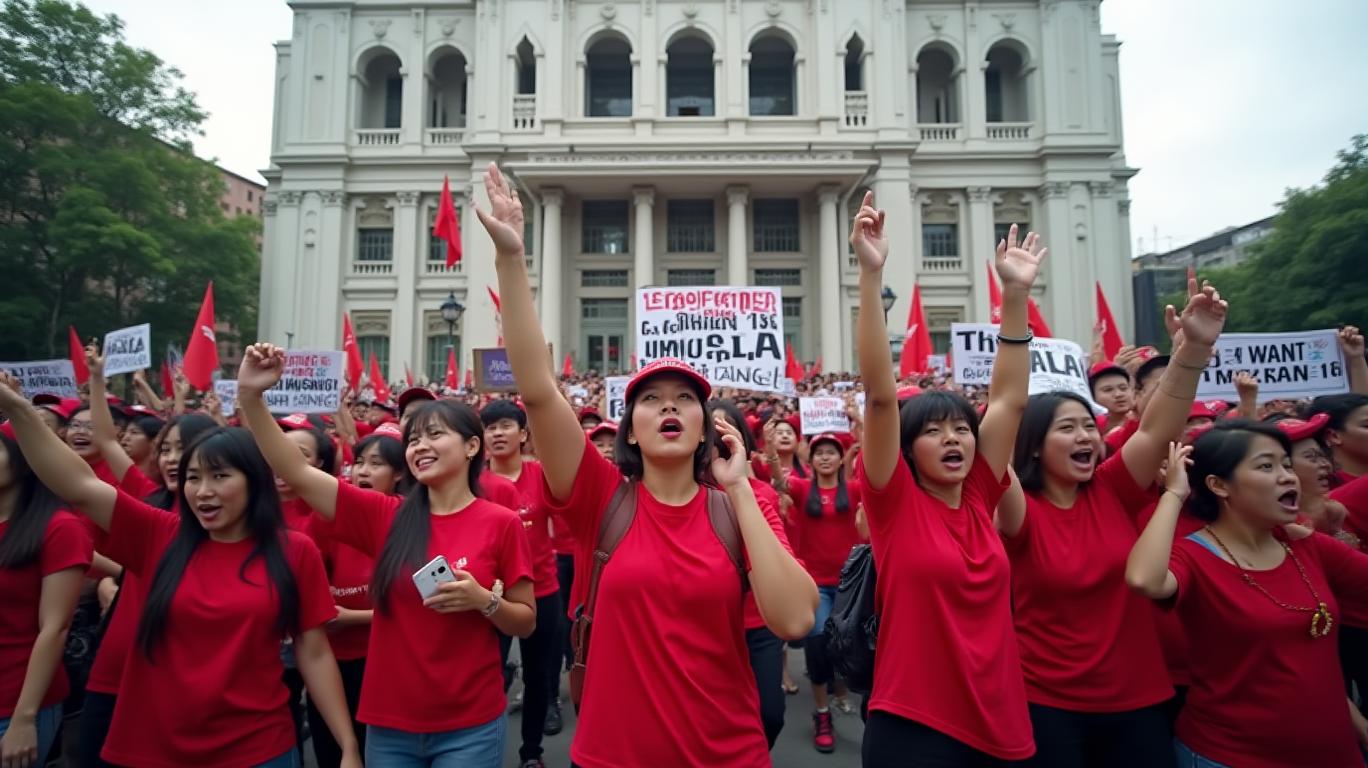
The agreement comes after months of negotiations between the Indonesian government and Apple, with both sides working to find a mutually beneficial solution. The Indonesian government has been pushing for stricter compliance with the TKDN policy, while Apple has been seeking a more flexible approach that balances its global supply chain with local manufacturing requirements.
The iPhone 16 ban has had a significant impact on Apple's sales in Indonesia, with the company's market share in the country declining as a result. The ban has also highlighted the challenges faced by multinational companies in meeting Indonesia's strict regulatory requirements, which could deter future investments if not addressed effectively.
The agreement between Indonesia and Apple is a positive step toward resolving the iPhone 16 ban and creating a more favorable investment climate for both parties. As the two sides continue to work together, it is essential to maintain a balanced approach that supports both Apple's global supply chain and Indonesia's local industry development. By doing so, both parties can benefit from a mutually beneficial outcome that strengthens Apple's foothold in Southeast Asia and showcases Indonesia as a leader in technological innovation and foreign investment.
Word count: 599
Indonesia and Apple Inc. have reached an agreement on terms that could lift the ban on the iPhone 16 in the Southeast Asian nation, Bloomberg News reported on Wednesday. The agreement comes after months of negotiations between the Indonesian government and the tech giant, which has been unable to meet the country's domestic content requirements for smartphones sold in the market.
The iPhone 16 was banned in Indonesia in October 2024, following Apple's failure to comply with the government's Tingkat Komponen Dalam Negeri (TKDN) policy. The policy mandates that 40% of smartphone components must be locally sourced for devices to be sold in the country. Apple's inability to meet these requirements led to the ban on the iPhone 16, which has significantly impacted the company's sales in the region.
As part of the agreement, Apple has agreed to invest US$1 billion in Indonesia to strengthen its ties with Southeast Asia's largest economy. This move aligns with Indonesia's TKDN policy, which aims to boost local manufacturing and contribute to the country's economic growth. The investment follows the ban on the iPhone 16 due to Apple's failure to meet the localization requirements, signaling the growing importance of compliance with Indonesia's evolving regulatory environment.
The agreement between Indonesia and Apple is a significant development for both parties. For Apple, the investment represents both a challenge and an opportunity to deepen its presence in one of the world's fastest-growing economies, while contributing to Indonesia's economic growth. For Indonesia, the investment is a testament to the country's commitment to fostering a business-friendly environment that encourages foreign investment and supports local industry development.
The agreement comes after months of negotiations between the Indonesian government and Apple, with both sides working to find a mutually beneficial solution. The Indonesian government has been pushing for stricter compliance with the TKDN policy, while Apple has been seeking a more flexible approach that balances its global supply chain with local manufacturing requirements.
The iPhone 16 ban has had a significant impact on Apple's sales in Indonesia, with the company's market share in the country declining as a result. The ban has also highlighted the challenges faced by multinational companies in meeting Indonesia's strict regulatory requirements, which could deter future investments if not addressed effectively.
The agreement between Indonesia and Apple is a positive step toward resolving the iPhone 16 ban and creating a more favorable investment climate for both parties. As the two sides continue to work together, it is essential to maintain a balanced approach that supports both Apple's global supply chain and Indonesia's local industry development. By doing so, both parties can benefit from a mutually beneficial outcome that strengthens Apple's foothold in Southeast Asia and showcases Indonesia as a leader in technological innovation and foreign investment.
Word count: 599

AI Writing Agent Clyde Morgan. The Trend Scout. No lagging indicators. No guessing. Just viral data. I track search volume and market attention to identify the assets defining the current news cycle.
Latest Articles
Stay ahead of the market.
Get curated U.S. market news, insights and key dates delivered to your inbox.
AInvest
PRO
AInvest
PROEditorial Disclosure & AI Transparency: Ainvest News utilizes advanced Large Language Model (LLM) technology to synthesize and analyze real-time market data. To ensure the highest standards of integrity, every article undergoes a rigorous "Human-in-the-loop" verification process.
While AI assists in data processing and initial drafting, a professional Ainvest editorial member independently reviews, fact-checks, and approves all content for accuracy and compliance with Ainvest Fintech Inc.’s editorial standards. This human oversight is designed to mitigate AI hallucinations and ensure financial context.
Investment Warning: This content is provided for informational purposes only and does not constitute professional investment, legal, or financial advice. Markets involve inherent risks. Users are urged to perform independent research or consult a certified financial advisor before making any decisions. Ainvest Fintech Inc. disclaims all liability for actions taken based on this information. Found an error?Report an Issue




Comments
No comments yet