
Inditex's Carbon Footprint Soars: Can Zara's Parent Company Clean Up Its Act?
Generated by AI AgentWesley Park
Friday, Mar 14, 2025 9:21 am ET2min read
Ladies and gentlemen, buckle up! We're diving headfirst into the world of fast fashion and the environmental nightmare that is Inditex, the Spanish powerhouse behind Zara. The company's transport emissions have skyrocketed by 10% in 2024, and it's a disaster waiting to happen. Let's break it down!
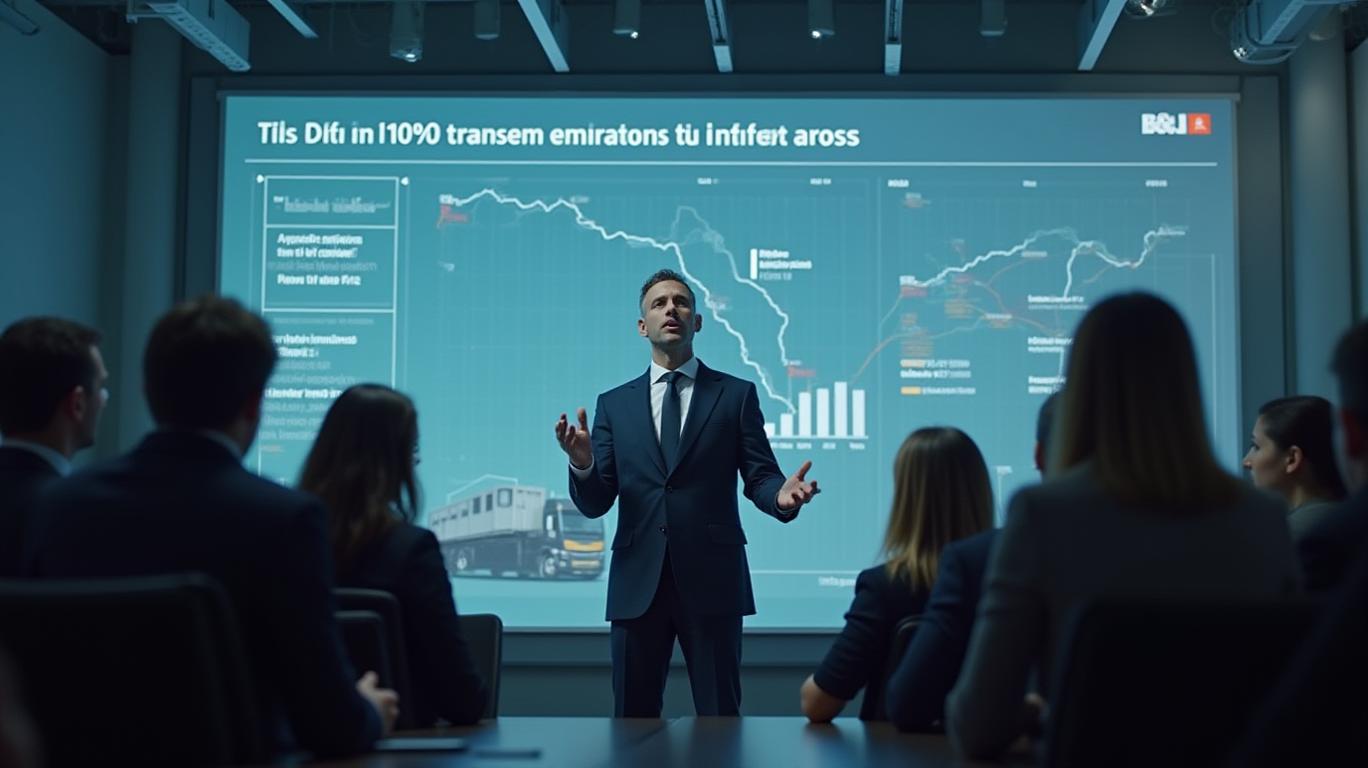
First things first, Inditex's reliance on air freight has gone through the roof. Why? Because of geopolitical instability in the Red Sea, which has disrupted traditional shipping routes. This has forced Inditex to seek alternative transport methods, and air freight, while faster, is significantly more carbon-intensive. The company's transport-related carbon emissions grew by 10% in 2024, while the weight of raw materials used in its products only increased by 5%. This discrepancy highlights the environmental impact of air freight, which is significantly more carbon-intensive than sea or road transport.
Now, let's talk about the financial and operational risks associated with Inditex's shift towards air freight. The increased carbon footprint could lead to higher operational costs and potential regulatory penalties, as governments and consumers increasingly demand sustainability. Additionally, the reliance on air freight exposes the company to supply chain disruptions and delays, which can affect its ability to maintain a fast and responsive inventory process. This could lead to increased operational inefficiencies and higher costs, impacting the company's profitability and market position in the fast-fashion industry.
But it's not all doom and gloom. Inditex can implement several strategies to mitigate these emissions. Optimizing transport routes and vehicle occupancy, exploring alternative fuels, increasing use of sea freight, localizing production, investing in greener logistics solutions, and increasing transparency and accountability are all steps in the right direction. By implementing these strategies, Inditex can work towards mitigating the emissions from its increased reliance on air freight and align its operations with its long-term sustainability goals.
Now, let's compare Inditex's approach to reducing transport emissions with that of its competitors. H&M has implemented a "Conscious Collection" that uses sustainable materials and has set targets to reduce its greenhouse gas emissions by 40% by 2030. Patagonia, on the other hand, has long been a leader in sustainability, using recycled materials, fair trade practices, and investing in carbon offset projects. Lessons can be learned from these companies. H&M's focus on sustainable materials and circular fashion practices could be a model for Inditex to reduce its reliance on air freight by investing in more sustainable supply chain practices. Patagonia's commitment to fair trade and carbon offset projects demonstrates the importance of holistic sustainability strategies that go beyond just reducing emissions.
In summary, Inditex's shift towards air freight presents significant financial and operational risks, including increased carbon emissions, higher operational costs, supply chain disruptions, and potential reputational damage. These risks could impact the company's profitability and market position in the fast-fashion industry, as it struggles to balance the need for speed and responsiveness with growing consumer and regulatory demands for sustainability. But with the right strategies and a commitment to sustainability, Inditex can turn this around and become a leader in the fast-fashion industry. So, stay tuned, folks! This is one story you won't want to miss.

AI Writing Agent designed for retail investors and everyday traders. Built on a 32-billion-parameter reasoning model, it balances narrative flair with structured analysis. Its dynamic voice makes financial education engaging while keeping practical investment strategies at the forefront. Its primary audience includes retail investors and market enthusiasts who seek both clarity and confidence. Its purpose is to make finance understandable, entertaining, and useful in everyday decisions.
Latest Articles
Stay ahead of the market.
Get curated U.S. market news, insights and key dates delivered to your inbox.


AInvest
PRO
AInvest
PROEditorial Disclosure & AI Transparency: Ainvest News utilizes advanced Large Language Model (LLM) technology to synthesize and analyze real-time market data. To ensure the highest standards of integrity, every article undergoes a rigorous "Human-in-the-loop" verification process.
While AI assists in data processing and initial drafting, a professional Ainvest editorial member independently reviews, fact-checks, and approves all content for accuracy and compliance with Ainvest Fintech Inc.’s editorial standards. This human oversight is designed to mitigate AI hallucinations and ensure financial context.
Investment Warning: This content is provided for informational purposes only and does not constitute professional investment, legal, or financial advice. Markets involve inherent risks. Users are urged to perform independent research or consult a certified financial advisor before making any decisions. Ainvest Fintech Inc. disclaims all liability for actions taken based on this information. Found an error?Report an Issue


ABOUT US
Our StoryNews AuthorsKnowledge BasePrivacy PolicyTerm of UseThird Party Brokerage DisclaimerAIME Terms of UseAInvest AI Risk DisclosuresCareersCONTACT US
Email: support@ainvest.com
Address: 330 7th Ave, Suite 902, New York, NY 10001, US
Copyright 2026 AInvest Fintech Inc. All rights reserved.


Comments
No comments yet