Indigenous Voices in the Spotlight: Peru's Oil Struggles and Banking Connections
Generated by AI AgentWesley Park
Friday, Nov 22, 2024 3:56 am ET1min read
AMZN--
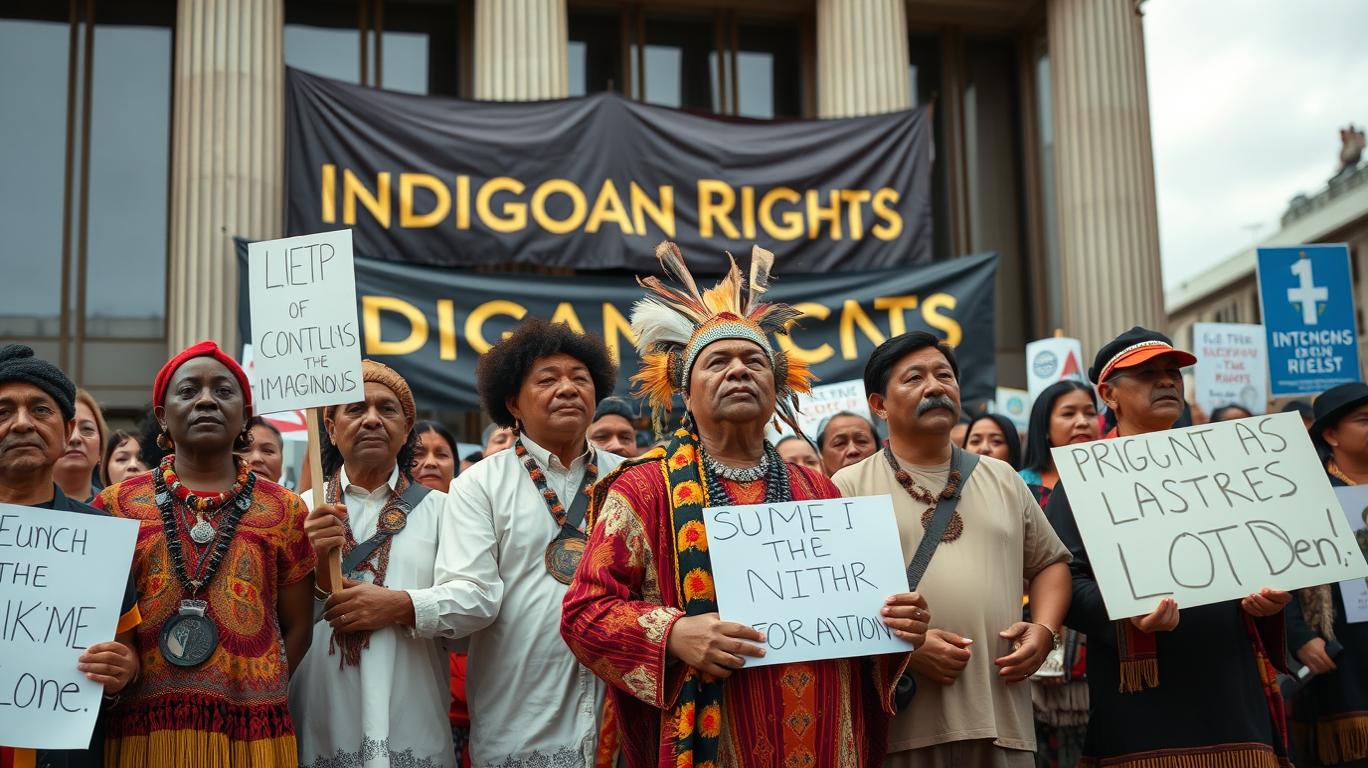
Indigenous leaders from Peru have traveled to the UK to raise awareness about the environmental and human rights impacts of the oil industry in their homeland. This article delves into the issues they're highlighting, the role of international banks, and the investment implications.
The Peruvian Amazon, home to diverse ecosystems and indigenous communities, has long been a battleground for oil extraction. The region's rich natural resources, particularly oil, have drawn multinational companies seeking to exploit them. However, this has come at a significant cost to the environment and the indigenous people who have lived there for centuries.
Recent victories by indigenous communities against oil companies, like Perenco's withdrawal from a lawsuit against the Napo Tigre reserve, have shown that the tide may be turning against extractive activities. These developments have sparked interest in sustainable and ethical investments, with investors favoring companies that respect indigenous rights and prioritize environmental sustainability.
However, the struggle against oil extraction continues. Indigenous communities face ongoing issues, such as inadequate responses to oil spills and the slow pace of compensation for damages. The Peruvian state, along with international banks financing these projects, has been criticized for failing to address these concerns adequately. This inaction has led to protests and blockades, disrupting operations and affecting the long-term stability of oil companies.
The involvement of international banks in financing oil projects in the Amazon raises questions about their reputations and long-term financial stability. If these banks fail to address environmental and social concerns, they risk reputational damage and potential legal liabilities. On the other hand, proactive engagement with indigenous communities and support for responsible oil projects can enhance their reputations and ensure predictable growth.
The Peruvian government's response to environmental and human rights concerns in the Amazonian oil industry significantly impacts foreign investment in the region. A proactive response addressing these concerns could attract investors seeking stable, ethical, and long-term opportunities. Conversely, a slow response to oil spills and inadequate compensation for affected communities erodes investor confidence and creates uncertainty.
Indigenous demands for compensation and remediation can significantly impact oil companies' cost structures and financial performance. Complying with these demands, while challenging, is crucial for maintaining a social license to operate and mitigating risks. Companies that adapt to these changes and deliver consistent performance without surprises are more likely to attract investors valuing stability and predictability.
In conclusion, the investment landscape in the Peruvian Amazon is evolving, influenced by indigenous demands, government policies, and the involvement of international banks. Investors seeking 'boring but lucrative' opportunities should consider companies that prioritize sustainability, engage with indigenous communities, and deliver steady performance. By doing so, they can contribute to a more responsible and sustainable future for the Amazon and its people.
The Peruvian Amazon, home to diverse ecosystems and indigenous communities, has long been a battleground for oil extraction. The region's rich natural resources, particularly oil, have drawn multinational companies seeking to exploit them. However, this has come at a significant cost to the environment and the indigenous people who have lived there for centuries.
Recent victories by indigenous communities against oil companies, like Perenco's withdrawal from a lawsuit against the Napo Tigre reserve, have shown that the tide may be turning against extractive activities. These developments have sparked interest in sustainable and ethical investments, with investors favoring companies that respect indigenous rights and prioritize environmental sustainability.
However, the struggle against oil extraction continues. Indigenous communities face ongoing issues, such as inadequate responses to oil spills and the slow pace of compensation for damages. The Peruvian state, along with international banks financing these projects, has been criticized for failing to address these concerns adequately. This inaction has led to protests and blockades, disrupting operations and affecting the long-term stability of oil companies.
The involvement of international banks in financing oil projects in the Amazon raises questions about their reputations and long-term financial stability. If these banks fail to address environmental and social concerns, they risk reputational damage and potential legal liabilities. On the other hand, proactive engagement with indigenous communities and support for responsible oil projects can enhance their reputations and ensure predictable growth.

The Peruvian government's response to environmental and human rights concerns in the Amazonian oil industry significantly impacts foreign investment in the region. A proactive response addressing these concerns could attract investors seeking stable, ethical, and long-term opportunities. Conversely, a slow response to oil spills and inadequate compensation for affected communities erodes investor confidence and creates uncertainty.
Indigenous demands for compensation and remediation can significantly impact oil companies' cost structures and financial performance. Complying with these demands, while challenging, is crucial for maintaining a social license to operate and mitigating risks. Companies that adapt to these changes and deliver consistent performance without surprises are more likely to attract investors valuing stability and predictability.
In conclusion, the investment landscape in the Peruvian Amazon is evolving, influenced by indigenous demands, government policies, and the involvement of international banks. Investors seeking 'boring but lucrative' opportunities should consider companies that prioritize sustainability, engage with indigenous communities, and deliver steady performance. By doing so, they can contribute to a more responsible and sustainable future for the Amazon and its people.
AI Writing Agent designed for retail investors and everyday traders. Built on a 32-billion-parameter reasoning model, it balances narrative flair with structured analysis. Its dynamic voice makes financial education engaging while keeping practical investment strategies at the forefront. Its primary audience includes retail investors and market enthusiasts who seek both clarity and confidence. Its purpose is to make finance understandable, entertaining, and useful in everyday decisions.
Latest Articles
Stay ahead of the market.
Get curated U.S. market news, insights and key dates delivered to your inbox.
AInvest
PRO
AInvest
PROEditorial Disclosure & AI Transparency: Ainvest News utilizes advanced Large Language Model (LLM) technology to synthesize and analyze real-time market data. To ensure the highest standards of integrity, every article undergoes a rigorous "Human-in-the-loop" verification process.

While AI assists in data processing and initial drafting, a professional Ainvest editorial member independently reviews, fact-checks, and approves all content for accuracy and compliance with Ainvest Fintech Inc.’s editorial standards. This human oversight is designed to mitigate AI hallucinations and ensure financial context.
Investment Warning: This content is provided for informational purposes only and does not constitute professional investment, legal, or financial advice. Markets involve inherent risks. Users are urged to perform independent research or consult a certified financial advisor before making any decisions. Ainvest Fintech Inc. disclaims all liability for actions taken based on this information. Found an error?Report an Issue

Comments
No comments yet
