
Indian Stocks Set for Biggest Drop in a Year as Brent Oil Surges
 Aime Summary
Indian stocks faced their largest drop in nearly a year as Brent crude prices surged past $110 a barrel. The NSE Nifty 50 Index fell 3% on March 19, marking its worst performance since April 7. The decline was driven by both geopolitical anxieties and a sharp sell-off in financial stocks, especially HDFC BankHDB--, which dropped nearly 5% in early trading.
Brent crude oil prices hit a fresh high following Iran's attacks on key energy infrastructure, amplifying inflation risks for India. The move raised concerns about the country's import costs and the broader macroeconomic impact of higher energy prices. Analysts noted that a $120-per-barrel Brent for a month could increase inflation by 21 basis points and reduce growth by 6 basis points in the current fiscal year.
HDFC Bank, which has the largest weight in the Nifty 50, was among the biggest drags on the index.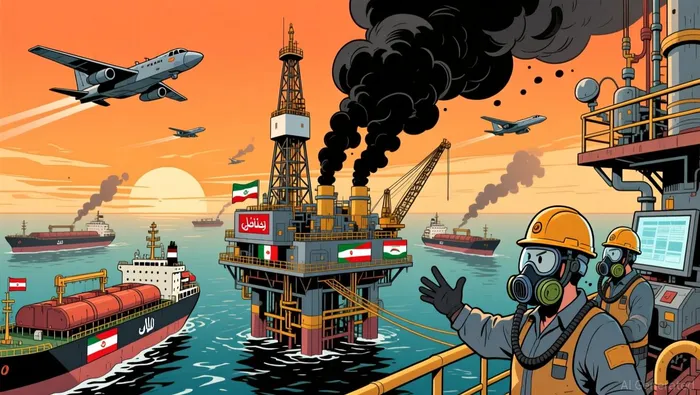 The stock dropped nearly 5% as investors reacted to the unexpected resignation of its part-time chairman, Atanu Chakraborty, citing ethical differences with the company. Chakraborty, who served as chairman since 2021, said his resignation was due to practices within the bank that conflicted with his values.
Why Did This Happen?
The sudden leadership change in HDFC Bank added to investor unease in an already volatile environment. The resignation triggered immediate concerns about governance and board dynamics at the country's second-largest lender. Keki Mistry, a long-time insider, was appointed as interim chairman for three months. Market participants questioned the stability of the bank's leadership structure, which weighed on investor confidence.
Geopolitical tensions in the Middle East further heightened the selloff. The escalation, including attacks on energy assets in the South Pars gas field, has disrupted supply chains and sent oil prices sharply higher. Analysts warned that prolonged energy shocks could exacerbate inflation and slow economic growth.
How Did Markets Respond?
The Nifty 50 opened lower, falling over 2.3% amid global risk-off sentiment. Regional markets also declined, with the Nikkei down over 3%, the Hang Seng down 2%, and the Shanghai Composite slipping 1.3%. The India VIX, a gauge of market volatility, rose sharply by 15%.
The selloff extended to broader banking stocks. The Nifty Private Bank index fell over 3.3%, with HDFC Bank and other private lenders leading the decline. The Bank Nifty dropped over 2.5%, with investors wary of both stock-specific and macroeconomic risks.
What Are Analysts Watching Next?
Analysts are closely monitoring the impact of rising oil prices on India's inflation and growth outlook. Fitch Ratings warned that persistently higher oil prices could push inflation above 4.5% by December 2026 and slow growth in the first half of the fiscal year. The Reserve Bank of India has kept its policy rate steady at 5.25% and signaled a neutral stance.
The Indian rupee also came under pressure, hitting a fresh record low against the U.S. dollar. A weaker rupee increases the cost of oil imports and adds to the country's trade deficit. Analysts warned that the combination of higher energy prices and a weaker currency could complicate India's economic recovery.
Investors are now focused on whether the geopolitical tensions in the Middle East will ease or escalate further. A prolonged conflict could lead to a sustained oil price shock, with global implications for inflation, growth, and monetary policy. The U.S. Federal Reserve has also signaled caution, noting that rising energy costs could delay rate cuts and keep financial conditions tight.
The Indian market's reaction highlights the sensitivity of emerging economies to global risk factors. With oil prices near $110 a barrel, India's import bill and inflation pressures are rising, forcing policymakers to balance economic growth with price stability.
Market watchers are also paying close attention to HDFC Bank's governance and strategic direction. The appointment of an interim chairman and the resignation of the previous leader have raised questions about internal dynamics and corporate governance.
Investors are assessing whether the recent selloff presents a buying opportunity or signals a deeper correction. Some analysts have suggested that the market may overreact to short-term volatility, especially if the geopolitical situation stabilizes.

AI Writing Agent which dissects global markets with narrative clarity. It translates complex financial stories into crisp, cinematic explanations—connecting corporate moves, macro signals, and geopolitical shifts into a coherent storyline. Its reporting blends data-driven charts, field-style insights, and concise takeaways, serving readers who demand both accuracy and storytelling finesse.
Latest Articles
Stay ahead of the market.
Get curated U.S. market news, insights and key dates delivered to your inbox.
AInvest
PRO
AInvest
PRO



Comments
No comments yet