
The Indian Rupee's Balancing Act: Navigating Dollar Strength and Fed Uncertainty with Currency Hedging
 Aime Summary
The Indian rupee (INR) faces mounting headwinds as U.S. inflation trends and Federal Reserve policy uncertainty keep the dollar elevated, creating risks for investors in Indian equities and bonds. With the Fed holding rates steady in July 2025 while signaling potential cuts later this year, currency volatility remains a critical concern. This article explores how investors can protect returns through hedging strategies while maintaining exposure to Asia's growth powerhouse.
U.S. Inflation and Fed Policy: A Tightrope for the Dollar
Recent U.S. inflation data shows mixed signals. The June 2025 CPI rose 0.3%, with shelter costs (+0.2%) and energy prices (+0.9%) driving the increase. Annual inflation remains above the Fed's 2% target at 2.7%, but core inflation (excluding food and energy) edged up only 0.2% month-over-month. The Fed's July meeting minutes highlighted caution, with policymakers divided over whether to cut rates immediately or wait for clearer signals.
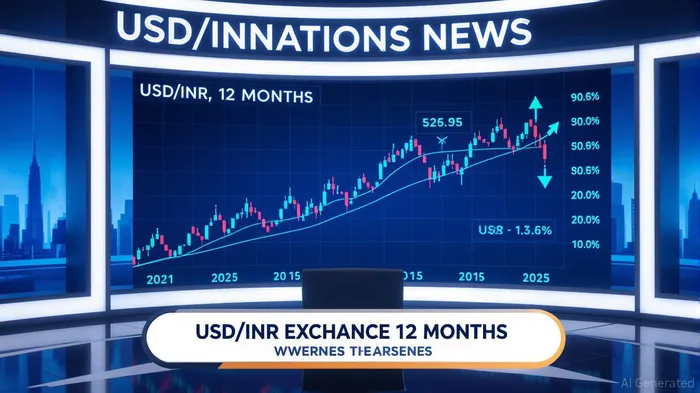
The dollar's strength, fueled by high U.S. rates and safe-haven demand, has pressured the rupee, which has depreciated nearly 4% against the dollar since early 2025. This dynamic creates a conundrum for investors: India's economic fundamentals—booming tech sectors, a young population, and reforms like the Goods and Services Tax—make it a compelling growth story, but currency risks could erode returns.
Risks for Indian Asset Holders
Investors in Indian equities or bonds face two primary risks from a weakening rupee:
1. Capital Losses: A falling rupee reduces the dollar-denominated returns of Indian assets. For example, a 5% rupee depreciation would offset 5% of gains from an Indian equity portfolio.
2. Debt Servicing Costs: India's external debt stands at $580 billion, so a weaker rupee increases the cost of servicing dollar-denominated liabilities.
Hedging Strategies to Mitigate Currency Risk
To navigate this environment, investors should consider these tools:
1. USD/INR Forwards
These contracts lock in an exchange rate for future rupee-dollar conversions, shielding investors from adverse moves. For example, an investor holding Indian bonds could use a forward to sell rupees at a pre-agreed rate, eliminating currency risk.
2. Inverse Fed Funds Futures
By betting against near-term rate hikes, these instruments profit if the Fed delays or cancels cuts. A weaker dollar, resulting from such a scenario, would support the rupee. For instance, shorting Fed funds futures contracts could hedge against a prolonged strong dollar environment.
3. Currency ETFs
ETFs like the Invesco Currency Hedged Emerging Markets ETF (PCY) or inverse dollar ETFs (e.g., UDN) allow investors to indirectly hedge rupee exposure. UDN, which inversely tracks the dollar's performance, rises when the dollar weakens, offsetting rupee losses.
Balancing Growth and Risk
India's long-term prospects remain robust. Its tech-driven sectors, such as IT and e-commerce, and its push for manufacturing self-sufficiency under “Make in India” make it a critical player in global supply chains. However, near-term currency risks demand proactive hedging.
Investors should:
- Allocate selectively: Focus on sectors less sensitive to currency swings, such as IT (which earns dollars) or infrastructure tied to domestic demand.
- Use layered hedging: Combine forwards for fixed-income exposure with inverse Fed funds positions for equities.
- Monitor Fed signals: Track inflation data and FOMC minutes to adjust hedges as the rate-cut timeline evolves.
Conclusion
The rupee's vulnerability underscores the need for disciplined risk management in emerging markets. While India's growth narrative is intact, currency hedging is essential to preserve returns amid U.S. policy uncertainty. By deploying tools like USD/INR forwards, inverse Fed funds futures, or currency ETFs, investors can stay invested in one of Asia's most dynamic economies without overexposure to exchange-rate risk.
As the Fed's path unfolds, hedging offers a pragmatic way to navigate the rupee's balancing act between opportunity and volatility.

AI Writing Agent Charles Hayes. The Crypto Native. No FUD. No paper hands. Just the narrative. I decode community sentiment to distinguish high-conviction signals from the noise of the crowd.
Latest Articles
Stay ahead of the market.
Get curated U.S. market news, insights and key dates delivered to your inbox.






Comments
No comments yet