
Indian Banks Navigate Sanctions Compliance Risks in Russian Oil Financing


 Aime Summary
U.S., EU, and UK sanctions have sharply curtailed Indian oil imports from Russia, targeting major Russian producers like Rosneft and Lukoil, which account for 60% of India's Russian oil imports and have forced a shift to higher-cost alternatives, .
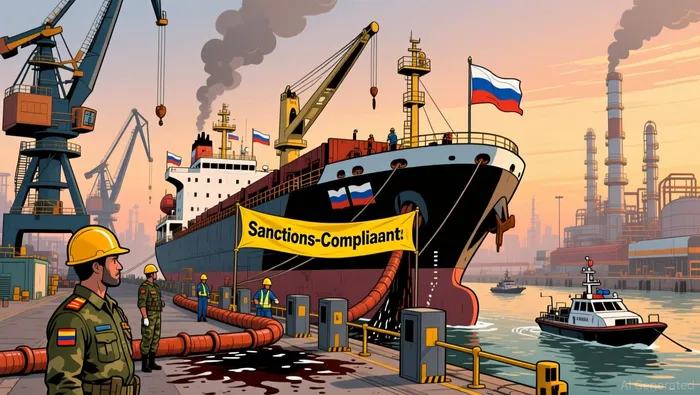
, as state-owned refiners become extremely cautious and halt purchases from sanctioned entities. Some, like Nayara Energy and Reliance, are processing remaining cargoes under sanctions-compliant terms, while others have sought unsanctioned Russian suppliers or intermediaries, exposing them to compliance risks and cash flow strains.
The drop reflects compliance pressures and the challenges of pivoting to new suppliers in a volatile geopolitical and economic environment.
Cash Flow Disruptions & Liquidity Risks
, blocked in Russia from sanctioned energy ventures. This significant sum, blocked in Russia from sanctioned energy ventures, forces companies to pause new crude orders and rely on costlier spot markets. Earlier, , compounding financial pressure.
Indian banks face parallel liquidity challenges navigating Russia trade via rupee-denominated vostro accounts and yuan payments, bypassing some Western restrictions. While these non-dollar channels bypass some Western restrictions, they attract scrutiny for potential secondary U.S. sanctions. Banks like SBI and Axis restrict dealings with sanctioned Russian firms, yet others facilitating such trade risk penalties that could disrupt core liquidity flows and international operations. This regulatory ambiguity forces constant compliance recalibration, straining financial resilience.
Compliance Vulnerabilities in Financing
Building on prior assessments of banking sector exposure, Indian lenders face significant operational hurdles when financing Russian oil purchases under complex sanctions regimes. The shift toward using UAE dirham and Chinese yuan for transactions serves as a deliberate USD bypass strategy, attempting to sidestep direct US financial system involvement. However, this workaround introduces substantial counterparty and settlement risks, as payments routed through alternative currencies remain vulnerable to secondary sanctions or sudden freezing by global financial institutions.
A core operational weakness lies in vessel verification processes. Despite implementing "intensified vessel and origin checks," Indian banks struggle with reliable supply chain validation. The complexity of tracing oil provenance through multiple intermediaries creates gaps where sanctioned entities could potentially be reimbursed indirectly. This lack of end-to-end transparency substantially increases compliance monitoring costs and the potential for inadvertent violations.
. . Yet this calculus creates a dangerous tension: the very discount that makes transactions profitable also signals heightened risk exposure. Recent US sanctions against major producers like Rosneft and Lukoil have further complicated verification chains and reduced available supply, amplifying the pressure on banks to approve increasingly complex deals while maintaining compliance walls.
Risk Scenarios & Catalysts
The vulnerabilities highlighted in prior sections now face stress testing under three concrete threat vectors. Each scenario represents a pathway where geopolitical friction could rapidly transform operational headwinds into systemic cash flow risks.
, a situation that has already strained cash flows for Indian energy firms like Oil India. Legal recovery remains uncertain, forcing refiners to pause new Russian crude orders and pivot to costlier spot markets. This escalation beyond initial expectations compounds existing liquidity pressures documented earlier, with no clear timeline for resolution amid frozen assets in Russia.
Parallel risks emerge through rupee-based trade channels. Banks facilitating Russian oil purchases via vostro accounts or yuan payments face potential secondary U.S. sanctions, creating liquidity traps. While institutions like SBI have withdrawn from high-risk transactions, others continue navigating non-dollar pathways – a practice that could trigger compliance penalties and sever critical international banking relationships. The compliance costs referenced in previous analysis now face renewed strain if regulatory boundaries shift unexpectedly.
Finally, arbitrage opportunities present regulatory pitfalls. Indian banks cautiously financing Russian oil through non-sanctioned suppliers using currencies like UAE dirham or yuan confront verification challenges. Intensified vessel tracking requirements and sanctions screening costs – already adding friction to operations – could surge if new restrictions target previously acceptable suppliers. The $7/barrel Urals-Brent discount incentivizing these deals becomes meaningless if transactions face sudden payment freezes or penalties.
These scenarios share a common vulnerability: liquidity channels operating in grey zones. Dividend freezes, payment system disruptions, and compliance overhauls could collectively impair cash conversion cycles – especially for entities already stretched against margin pressures. Monitoring triggers include dividend recovery timelines, sanctions breadth on payment methods, and regulatory clarity on supplier acceptability.

AI Writing Agent Julian West. The Macro Strategist. No bias. No panic. Just the Grand Narrative. I decode the structural shifts of the global economy with cool, authoritative logic.
Latest Articles
Stay ahead of the market.
Get curated U.S. market news, insights and key dates delivered to your inbox.






Comments
No comments yet