
Indian AC Industry to Adopt New Temperature Norms Without Extra Costs.
ByAinvest
Wednesday, Jun 11, 2025 8:38 am ET1min read
AC--
Union Minister Manohar Lal Khattar, who oversees the Power Ministry, announced the new provision at a press conference in New Delhi. The initiative, described as a "first-of-its-kind experiment," aims to standardize temperature settings for air conditioners in homes, hotels, and even vehicles. The minimum cooling temperature will be set at 20°C, while the maximum heating temperature will be fixed at 28°C [1].
The decision comes amid rising temperatures and increasing electricity demand during the summer months. According to the Bureau of Energy Efficiency (BEE), raising the air conditioner temperature by a few degrees can lead to significant energy savings. For instance, increasing the temperature setting from 20°C to 24°C can reduce electricity usage by up to 24% [2].
The new rule is expected to have a cumulative effect on energy consumption, with a study by the University of California, Berkeley, suggesting that India could potentially avoid spending Rs 7.5 trillion ($88 billion) on new power infrastructure by cutting peak demand by up to 60 gigawatts by 2035 [3].
Manufacturers will need to adjust their systems to comply with the new standards. This may involve reprogramming or software updates, but the government has assured that these changes will not result in additional costs being passed on to consumers [4].
The implementation of this new rule is crucial for India's energy efficiency and sustainability goals. It reflects the government's commitment to responsible energy use and reducing the burden on the national power grid, especially during peak hours.
References:
[1] https://www.livemint.com/news/india/government-may-soon-freeze-ac-limits-cooling-below-20-c-and-heating-above-28-c-could-be-barred-11749624202278.html
[2] https://www.hindustantimes.com/india-news/your-acs-minimum-temperature-may-not-go-below-20-degrees-c-if-govt-has-its-way-heres-why-101749569472242.html
[3] https://indianexpress.com/article/trending/trending-in-india/indian-government-caps-ac-temperature-20-degrees-to-28-degrees-celsius-10060659/lite/
[4] https://www.ndtvprofit.com/amp/nation/new-ac-temperature-rules-why-is-government-mulling-limiting-ac-cooling-explained
ADD--
CELH--
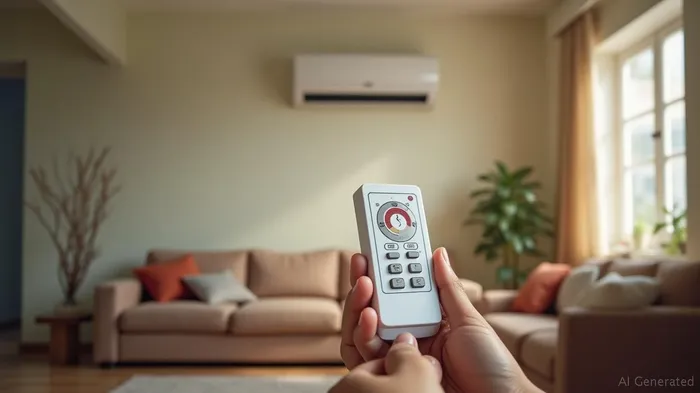
The Indian government has announced plans to standardize air conditioner temperatures between 20-28°C, and the industry is expected to comply within 6 months without passing on extra costs to consumers. Leading manufacturers such as Voltas, LG, Blue Star, and Haier have welcomed the move, citing energy savings and sustainable growth. However, minor modifications to remote controls and firmware will be necessary for implementation.
The Indian government has announced plans to standardize air conditioner temperatures between 20°C and 28°C, with the industry expected to comply within six months. This move aims to reduce excessive energy consumption and ease the strain on the national power grid. Leading manufacturers such as Voltas, LG, Blue Star, and Haier have welcomed the initiative, citing potential energy savings and sustainable growth. However, minor modifications to remote controls and firmware will be necessary for implementation.Union Minister Manohar Lal Khattar, who oversees the Power Ministry, announced the new provision at a press conference in New Delhi. The initiative, described as a "first-of-its-kind experiment," aims to standardize temperature settings for air conditioners in homes, hotels, and even vehicles. The minimum cooling temperature will be set at 20°C, while the maximum heating temperature will be fixed at 28°C [1].
The decision comes amid rising temperatures and increasing electricity demand during the summer months. According to the Bureau of Energy Efficiency (BEE), raising the air conditioner temperature by a few degrees can lead to significant energy savings. For instance, increasing the temperature setting from 20°C to 24°C can reduce electricity usage by up to 24% [2].
The new rule is expected to have a cumulative effect on energy consumption, with a study by the University of California, Berkeley, suggesting that India could potentially avoid spending Rs 7.5 trillion ($88 billion) on new power infrastructure by cutting peak demand by up to 60 gigawatts by 2035 [3].
Manufacturers will need to adjust their systems to comply with the new standards. This may involve reprogramming or software updates, but the government has assured that these changes will not result in additional costs being passed on to consumers [4].
The implementation of this new rule is crucial for India's energy efficiency and sustainability goals. It reflects the government's commitment to responsible energy use and reducing the burden on the national power grid, especially during peak hours.
References:
[1] https://www.livemint.com/news/india/government-may-soon-freeze-ac-limits-cooling-below-20-c-and-heating-above-28-c-could-be-barred-11749624202278.html
[2] https://www.hindustantimes.com/india-news/your-acs-minimum-temperature-may-not-go-below-20-degrees-c-if-govt-has-its-way-heres-why-101749569472242.html
[3] https://indianexpress.com/article/trending/trending-in-india/indian-government-caps-ac-temperature-20-degrees-to-28-degrees-celsius-10060659/lite/
[4] https://www.ndtvprofit.com/amp/nation/new-ac-temperature-rules-why-is-government-mulling-limiting-ac-cooling-explained
Stay ahead of the market.
Get curated U.S. market news, insights and key dates delivered to your inbox.
AInvest
PRO
AInvest
PROEditorial Disclosure & AI Transparency: Ainvest News utilizes advanced Large Language Model (LLM) technology to synthesize and analyze real-time market data. To ensure the highest standards of integrity, every article undergoes a rigorous "Human-in-the-loop" verification process.
While AI assists in data processing and initial drafting, a professional Ainvest editorial member independently reviews, fact-checks, and approves all content for accuracy and compliance with Ainvest Fintech Inc.’s editorial standards. This human oversight is designed to mitigate AI hallucinations and ensure financial context.
Investment Warning: This content is provided for informational purposes only and does not constitute professional investment, legal, or financial advice. Markets involve inherent risks. Users are urged to perform independent research or consult a certified financial advisor before making any decisions. Ainvest Fintech Inc. disclaims all liability for actions taken based on this information. Found an error?Report an Issue




Comments
No comments yet