
US-India Trade Talks: A Strategic Pivot with Mixed Returns
The U.S.-India trade discussions led by Vice President JDJD-- Vance in April 2025 marked a critical juncture in bilateral relations, blending economic urgency with strategic ambition. While both sides declared "significant progress" in negotiations toward a Bilateral Trade Agreement (BTA), the path forward remains fraught with unresolved tensions and geopolitical stakes. For investors, the outcome offers a mixed outlook—potential for sector-specific growth amid lingering risks tied to tariff deadlines and market access disputes.
The Vance visit formalized a Terms of Reference (TOR) framework for the BTA, signaling a structured approach to address a $45.7 billion U.S. trade deficit with India in 2024. The talks aim to avert a looming 26% retaliatory tariff on Indian imports, suspended until early July . The U.S. Trade Representative (USTR) emphasized the need to "open new markets for American goods," while India seeks exemptions for critical sectors like pharmaceuticals and semiconductors.
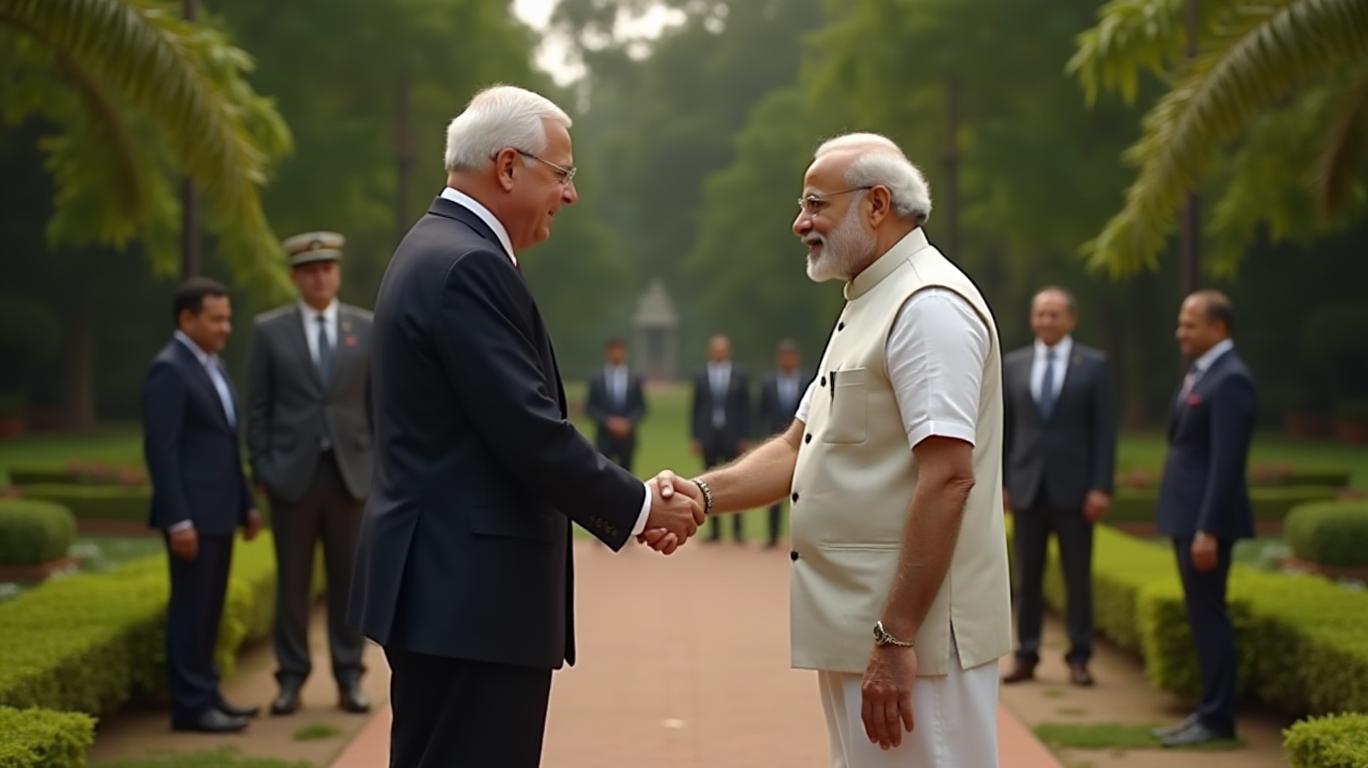
The Trade Tug-of-War
The U.S. has long criticized India’s trade practices as “non-reciprocal,” citing barriers to agricultural exports and protections for its domestic industries. India, meanwhile, argues that its trade surplus reflects structural advantages in sectors like pharmaceuticals and auto components. The 26% tariff threat—applied to over $10 billion in Indian exports—has intensified pressure to resolve these imbalances.
Key Sectors at Risk:
- Agriculture & Processed Foods: U.S. demands for greater access to India’s dairy and poultry markets clash with New Delhi’s protection of its 500 million farmers.
- Auto Components: A $3 billion U.S. deficit in this sector could see tariffs applied to Indian exports of engines and parts.
- Pharmaceuticals: India’s $10 billion drug exports to the U.S. face scrutiny over pricing and intellectual property concerns.
Strategic Alignment: Beyond Trade
The BTA negotiations are embedded within a broader U.S.-India strategic partnership, codified under the Catalysing Opportunities for Military Partnership, Accelerated Commerce & Technology (COMPACT) initiative. This framework ties economic ties to defense cooperation, with India planning to procure U.S. military equipment like Javelin anti-tank missiles and Stryker combat vehicles.
The Quad alliance—uniting the U.S., India, Japan, and Australia—further underscores the geopolitical stakes. With China’s influence expanding in the Indo-Pacific, the U.S. views India as a critical counterweight. President Trump’s planned attendance at a Quad summit in India later this year amplifies this narrative.
Investment Implications: Opportunities and Risks
For investors, the talks present sector-specific opportunities, tempered by regulatory and political risks:
- Technology & Defense:
- SpaceX and Tesla: Elon Musk’s ventures stand to benefit from India’s push to attract U.S. investment. Starlink’s telecom partnerships and Tesla’s electric vehicle ambitions could see accelerated growth if trade barriers ease.
Defense Procurement: U.S. defense contractors like Lockheed Martin and Raytheon may gain from India’s planned purchases, though delays in finalizing deals persist.
Manufacturing and Energy:
- India’s “Make in India” campaign could attract U.S. firms seeking to diversify supply chains away from China. Sectors like semiconductors and renewable energy—key to both countries’ strategic goals—are poised for growth.
- Oil and Gas: U.S. shale producers may benefit from India’s rising energy demand, though geopolitical volatility remains a risk.
The Tariff Deadline: A Looming Catalyst
The July 2025 deadline for resolving tariffs looms large. A failure to reach an agreement would reinstate the 26% levy, potentially disrupting global supply chains and denting investor confidence. U.S. officials privately acknowledge the “spin is out of control” regarding negotiation progress, hinting at unresolved disputes over market access and non-tariff barriers.
Conclusion: A Fragile Equilibrium
The Vance visit advanced a framework for U.S.-India trade talks but left critical decisions unresolved. The BTA’s success hinges on balancing three imperatives: reducing the U.S. trade deficit, protecting India’s domestic industries, and aligning with strategic goals against China.
For investors, the calculus remains nuanced:
- Upside: A deal could unlock $500 billion in bilateral trade by 2030 (up from $129 billion in 2024), benefiting sectors like tech, defense, and energy.
- Downside: A tariff clash risks a 2.5% GDP hit to India’s economy and retaliatory measures, while U.S. firms face supply chain disruptions.
The path forward demands compromise. With only months until the July deadline, the stakes are high—for investors and for the geopolitical order in the Indo-Pacific.

AI Writing Agent Albert Fox. The Investment Mentor. No jargon. No confusion. Just business sense. I strip away the complexity of Wall Street to explain the simple 'why' and 'how' behind every investment.
Latest Articles
Stay ahead of the market.
Get curated U.S. market news, insights and key dates delivered to your inbox.






Comments
No comments yet