
India Takes Cautious Approach in Trade Talks with US Amid Domestic Pressure and Tariff Deadline Looms
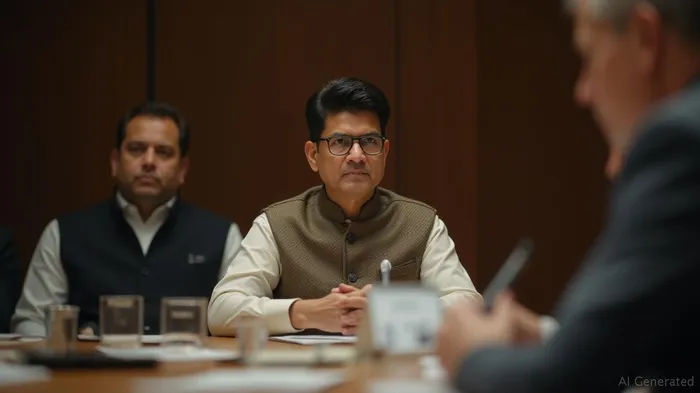
India's Commerce Minister Piyush Goyal said trade negotiations are guided by national interests, and the government won't be tied to any deadline. New Delhi has toughened its stance in talks with the US, threatening retaliatory duties on some US goods. The two sides have held intense talks to finalize a deal before higher US tariffs take effect from Aug. 1. Opposition parties and farmer groups have warned the government against offering excessive concessions to the US. Farmer groups are concerned about US demands to open India's agriculture markets to genetically-modified crops. India may allow imports of some GM products used in animal feed as part of the trade deal with the US.
India's Commerce Minister Piyush Goyal has emphasized that trade negotiations are guided by national interests and the government will not be tied to any deadline. With the July 9 deadline for higher US tariffs looming, both sides have engaged in intense talks to finalize a deal. The fate of the interim trade agreement now hinges on Washington's response, with India drawing red lines on dairy and agriculture, and the US seeking market access in these sectors [1].The US has threatened an additional 10% tariff on goods from countries supporting BRICS' "anti-American policies," including India. The US is also a key investor in India, contributing over $70 billion between April 2000 and March 2025, with major American firms deeply involved in sectors like manufacturing, IT, and professional services [1].
India may allow imports of some genetically modified US farm products used in animal feeds, such as soybean meal and distillers dried grains with solubles, as part of the trade deal with the US. This is a potential concession after New Delhi opposed inflows of GM corn and soybeans. However, India's stance on GM crops remains cautious due to concerns over rural livelihoods and food security [2].
Opposition parties and farmer groups have warned the government against offering excessive concessions to the US, particularly in the agriculture sector. India is firm on not opening its dairy and agriculture sectors to US imports, citing political sensitivity and farmer interests [1].
The US wants duty concessions in sectors such as industrial goods, automobiles, petrochemicals, wines, dairy, and agricultural products. India, on the other hand, is eyeing lower US tariffs on its labour-intensive exports like apparel, textiles, gems and jewellery, leather, plastics, chemicals, shrimps, and horticultural products. India is also pushing for relief in the US's existing 25% and 50% tariffs on steel, aluminium, and automobiles, respectively [1].
Despite the trade tensions, the US remains India's largest trading partner. In 2024–25, the total goods trade between the two countries stood at $131.84 billion, with India enjoying a surplus of $41.18 billion. India's exports to the US in April-May of this fiscal rose nearly 22% to $17.25 billion, while imports increased by over 25% to $8.87 billion [1].
US President Donald Trump has said his administration is sending letters to 10–12 countries detailing reciprocal tariff rates, with the process expected to be finalised by July 9. These tariffs are expected to come into effect from August 1 if no agreement is reached [1].
Interim trade pact likely before full BTA finalisation
Back in February, India and the US agreed to start negotiations for a broader bilateral trade agreement (BTA), with the first phase expected to conclude by September–October 2025. Before that, both sides are hoping to agree on an interim pact [1].
References:
[1] https://www.financialexpress.com/policy/economy-india-us-trade-deal-5-key-things-to-watch-out-for-as-july-9-deadline-nears-3905294/
[2] https://www.business-standard.com/economy/news/govt-may-allow-gm-animal-feed-imports-from-us-in-proposed-trade-deal-125070300999_1.html
Stay ahead of the market.
Get curated U.S. market news, insights and key dates delivered to your inbox.


AInvest
PRO
AInvest
PRO



Comments
No comments yet