
India's Sovereign Stablecoin Blueprint Challenges Global Crypto Dynamics with Twin-Rupee Innovation


 Aime Summary
India's crypto ecosystem is undergoing a transformative shift as blockchain firms Polygon and Anq engage with Prime Minister Narendra Modi's economic advisor, Sanjeev Sanyal, to explore a sovereign-backed stablecoin model according to Coinpedia. The discussions, centered on tokenization and digital asset innovation, signal a strategic push by the Indian government to integrate blockchain technology into its financial infrastructure while maintaining monetary sovereignty LiveBitcoinNews reports. This initiative aligns with broader global trends in stablecoin adoption and regulatory scrutiny, positioning India to leverage digital assets for economic growth without ceding control to foreign-backed systems, as Times of India reports.
The proposed stablecoin, tentatively named the Asset Reserve Certificate (ARC), would be fully collateralized by Government of India securities (G-Secs) and Treasury Bills, as reported by Times of India. 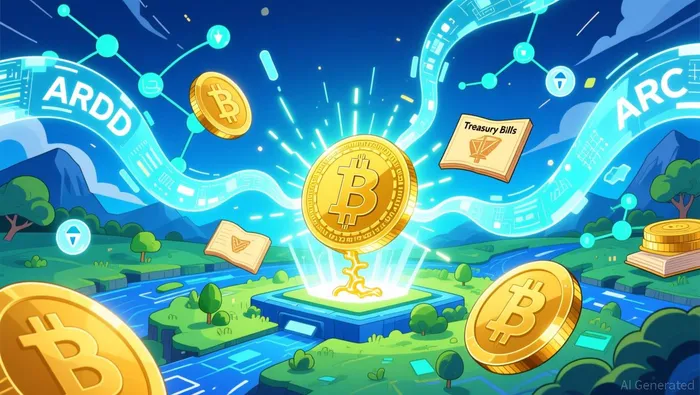 Unlike speculative cryptocurrencies or USD-pegged stablecoins, the ARC aims to function as a regulated, non-speculative digital asset that mirrors the Indian rupee's value EtherWorld notes. Each token would correspond directly to sovereign assets, ensuring transparency and compliance with domestic financial frameworks. The model operates on a "Twin-Rupee" architecture, where the Reserve Bank of India's central bank digital currency (CBDC) serves as the settlement backbone, while private players issue ARC tokens for everyday transactions, EtherWorld notes. This dual-layer system seeks to balance innovation with oversight, enabling programmable, low-cost payments while preserving the RBI's monetary control.
Polygon, a global leader in blockchain scaling solutions, and Anq, a Bangalore-based fintech firm, bring complementary expertise to the project Times of India reports. Polygon's experience in tokenizing real-world assets for institutions like BlackRock and JPMorgan lends credibility to the initiative, while Anq's deep understanding of India's regulatory landscape ensures alignment with domestic priorities, as Times of India reports. Together, they aim to create a digital financial infrastructure that reduces remittance costs, deepens bond market liquidity, and curtails capital outflows to foreign stablecoins EtherWorld notes. The ARC could also serve as a tool for the government to raise funds domestically by stimulating demand for G-Secs, effectively converting digital asset growth into a mechanism for strengthening India's balance sheet as Times of India reports.
The initiative reflects India's cautious yet proactive approach to digital finance. While stablecoins like USDCUSDC-- and TetherUSDT-- have gained traction globally, their reliance on foreign assets raises concerns about dollarisation and monetary autonomy EtherWorld notes. By anchoring its stablecoin to sovereign securities, India aims to avoid these risks while participating in the global shift toward tokenized money. The project also aligns with the Reserve Bank of India's warnings about the potential destabilization of monetary policy if unregulated digital assets gain widespread use.
As Polygon and Anq refine their proposal, the government's advisory council is reportedly prioritizing regulatory clarity to facilitate adoption without compromising financial stability LiveBitcoinNews reports. If successful, the ARC could position India as a pioneer in sovereign-backed digital currencies, offering a blueprint for other nations seeking to harness blockchain while safeguarding monetary independence as Times of India reports. With global regulators increasingly scrutinizing stablecoins—such as the Bank of England's recent proposals to limit systemic risks—India's homegrown solution could emerge as a critical player in the evolving digital finance landscape.

Entiende rápidamente la historia y el origen de varias monedas de gran fama
Latest Articles
Stay ahead of the market.
Get curated U.S. market news, insights and key dates delivered to your inbox.


AInvest
PRO
AInvest
PRO



Comments
No comments yet