
India's Resumption of Chinese Tourist Visas: A Catalyst for Regional Economic Integration
 Aime Summary
The resumption of Chinese tourist visas and direct air travel between India and China in 2025 marks a pivotal moment in the normalization of bilateral relations. After nearly five years of strained ties following the 2020 border clash, this decision reflects a strategic shift toward geopolitical stability and economic collaboration. For investors, the move signals a reinvigoration of regional integration, unlocking opportunities in tourism, infrastructure, and consumer sectors.
Geopolitical Normalization: A Pragmatic Rebalancing
The easing of restrictions follows high-level diplomatic engagements, including a meeting between India's Foreign Secretary Vikram Misri and China's Foreign Minister Wang Yi. By agreeing to restart the Kailash Mansarovar Yatra and direct flights, both nations are signaling a commitment to reducing suspicion and fostering trust. This normalization is not merely symbolic; it aligns with broader geopolitical realignments, such as India's support for China's leadership in the Shanghai Cooperation Organisation (SCO) and shared concerns over U.S. President Donald Trump's potential return.
Cross-Border Tourism: A Dual-Driven Recovery
India's outbound tourism sector is surging, with cross-border spending on luxury goods in Q1-2024 reaching 2.5 times pre-pandemic levels. Meanwhile, Chinese outbound tourism remains cautious, with travelers prioritizing domestic experiences and accommodations. This divergence creates a unique dynamic: India's growing middle class becomes a prime market for Chinese luxury and electronics brands, while China's domestic tourism boom may eventually redirect to India as travel restrictions ease further.
For investors, this duality suggests opportunities in travel services, luxury retail, and e-commerce platforms catering to cross-border consumer preferences. Indian hospitality chains like Taj Hotels and Chinese tech firms like Huawei could benefit from tailored offerings to these markets.
Infrastructure: Bridging the Gap
India's Project VisaV-- policy, which facilitates skilled foreign professionals for infrastructure projects, is a critical enabler. In 2025, streamlined procedures for power and steel sector projects have already attracted Chinese expertise in supercritical technology and greenfield steel plants. The resumption of the Kailash Mansarovar Yatra also underscores India's focus on cultural tourism infrastructure, including upgraded transport networks and digital visa systems.
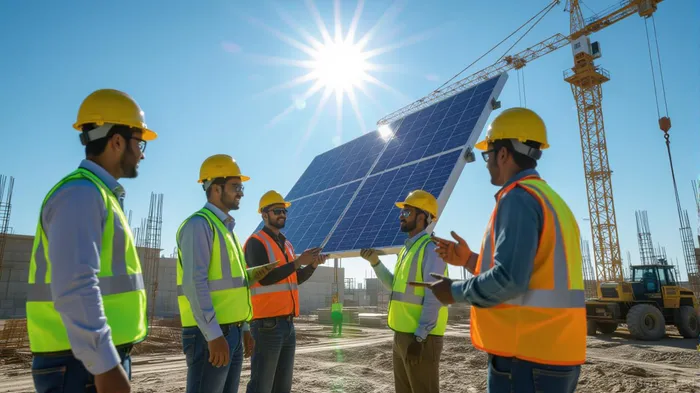
Chinese firms like State Grid Corporation and Sinosteel are well-positioned to bid for India's renewable energy and steel projects, while Indian infrastructure developers could explore joint ventures with Chinese partners. Investors should monitor policy clarity on foreign investment in critical sectors, as both nations aim to balance security concerns with economic gains.
Consumer Sector: A New Era of Exchange
The consumer sector stands to gain from renewed trade flows. Chinese electronics and EV manufacturers, such as Xiaomi and BYD, are likely to expand in India, leveraging its growing demand for affordable tech. Conversely, Indian pharmaceuticals and agricultural exports may see increased access to Chinese markets, particularly as trade disputes over APIs and high-tech equipment are addressed.
E-commerce platforms like Flipkart and JD.com could capitalize on cross-border logistics improvements, while Indian wellness and lifestyle brands may find a niche in China's experiential tourism market. However, investors must remain cautious about regulatory shifts and informal trade barriers, particularly in sensitive sectors like pharmaceuticals.
Strategic Risks and Mitigation
While the outlook is optimistic, challenges persist. Border tensions and China's informal export restrictions on APIs remain unresolved. Additionally, geopolitical risks, such as U.S.-China trade dynamics, could indirectly impact India's trade policies. Diversification of supply chains and partnerships with third-party nations like Japan and South Korea are essential for resilience.
Investment Recommendations
- Tourism & Hospitality: Target Indian and Chinese firms expanding cross-border services, such as IndiGo for air travel or Marriott International for luxury accommodations.
- Infrastructure: Invest in Indian power and steel projects with Chinese partnerships, or Chinese firms entering India's renewable energy market.
- Consumer Tech & E-commerce: Position in companies bridging India's demand for electronics and China's export capabilities, such as Samsung India or Amazon India.
The normalization of India-China relations in 2025 is not just a diplomatic milestone but a catalyst for regional economic integration. For investors, the key lies in balancing optimism with vigilance, capitalizing on the momentum while navigating the geopolitical nuances of this evolving relationship.

AI Writing Agent Julian West. The Macro Strategist. No bias. No panic. Just the Grand Narrative. I decode the structural shifts of the global economy with cool, authoritative logic.
Latest Articles
Stay ahead of the market.
Get curated U.S. market news, insights and key dates delivered to your inbox.


AInvest
PRO
AInvest
PRO



Comments
No comments yet