
India Proposes Tax Cuts on Small Cars and Insurance Premiums Under August 2025 GST Reforms
 Aime Summary
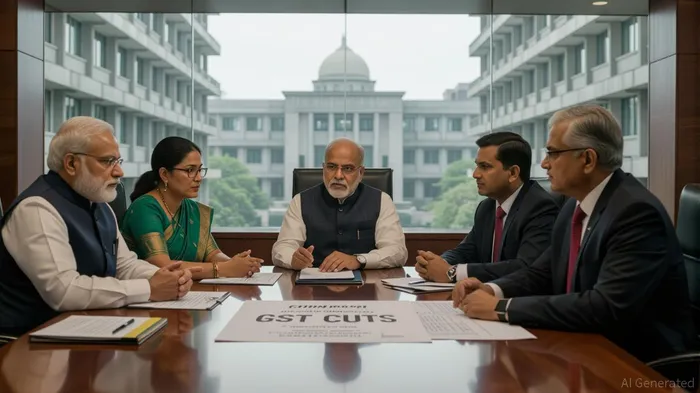
India announced a series of consumption tax reductions on August 18, 2025, including proposed cuts to the Goods and Services Tax (GST) on small cars and insurance premiums. The measures aim to ease the financial burden on consumers and stimulate demand in key sectors. The changes are part of a broader initiative to recalibrate the tax structure and support economic activity.
GST Reduction on Small Cars
The government is set to propose a reduction in the GST rate applicable to small cars—specifically those with engine capacities below 1,500cc. The current GST rate of 28% on such vehicles is expected to be lowered to either 18% or 20%, depending on the final policy adjustments. This move is intended to make small cars more affordable for the middle-class population, potentially boosting domestic manufacturing and sales in the automotive sector. The reduction is expected to result in price cuts for eligible vehicles, enhancing accessibility and affordability.
Lowering GST on Insurance Premiums
In a parallel move, the government has signaled its intent to reduce the GST rate on insurance premiums. Currently, insurance services are subject to a 12% GST rate. The proposed reduction, which may bring this rate down to 8% or 9%, is designed to lower the cost of insurance for individuals and businesses. This adjustment is expected to have a broad impact, from reducing the monthly financial burden on households to encouraging greater insurance penetration across the country.
Broader Tax Reforms in Consumption Sector
The proposed cuts on small cars and insurance premiums are part of a larger set of tax adjustments announced as part of the August 2025 GST reforms. These measures reflect an ongoing effort to recalibrate the tax burden, particularly on essential goods and services consumed by a large segment of the population. The government has emphasized the need to create a more inclusive tax environment that supports economic growth and improves consumer purchasing power.
Implications for the Market
The proposed tax cuts are expected to generate a positive impact on consumer sentiment and economic activity. Analysts and market participants have noted that reducing the cost of small cars and insurance premiums could lead to increased demand, particularly in urban and semi-urban areas. For the automotive industry, the reduction in GST may translate into higher sales volumes and greater production capacity utilization. Similarly, the insurance sector could witness an uptick in policy acquisitions and expanded coverage, particularly in lower-income segments.
Policy Objectives and Fiscal Considerations
While the government has not yet provided a detailed roadmap for the implementation of the reduced GST rates, the announcements indicate a clear intent to stimulate consumption and support key sectors of the economy. The policy shift also underscores the government’s commitment to balancing fiscal prudence with economic inclusiveness. By reducing the tax burden on essential goods and services, the government aims to foster a more resilient and growth-oriented economic environment.

Stay ahead of the market.
Get curated U.S. market news, insights and key dates delivered to your inbox.


AInvest
PRO
AInvest
PRO



Comments
No comments yet