
India Proposes Zero-Tariff Trade Agreement with U.S.
In a notable development in U.S.-India trade relations, Donald Trump disclosed that India had proposed a zero-tariff trade agreement with the United States. This revelationREVB-- came during a meeting with business leaders in Doha, where Trump stated that the Indian government had proposed an agreement under which they would impose no tariffs on U.S. goods. This announcement is part of a broader discussion on trade relations between the two nations, which have been strained in recent times.
Trump's remarks came amidst heightened trade tensions between the U.S. and India. Earlier in the year, Trump had imposed a 25% tariff on all imported steel and aluminum, a move that significantly impacted countries like India, which are major exporters of these commodities. In response, India had indicated that it would not take retaliatory actions but would instead focus on negotiating a bilateral trade agreement. The proposal for a zero-tariff trade agreement is a bold move by India, aimed at fostering closer economic ties with the United States. However, Trump did not provide specific details about the terms of the agreement or the timeline for its implementation, leaving many analysts speculating about the potential impact of such an agreement on both economies.
The proposal comes at a time when the U.S. and India are already engaged in discussions to resolve long-standing trade disputes. India has been a vocal critic of Trump's tariff policies, particularly the imposition of tariffs on steel and aluminum. In response, India had proposed suspending certain trade concessions and imposing retaliatory tariffs on U.S. goods. This move was seen as a significant escalation in the trade dispute between the two countries. Despite the tensions, both nations have expressed a willingness to engage in constructive dialogue to resolve their differences. The proposal for a zero-tariff trade agreement is a testament to this commitment. However, the success of such an agreement will depend on the ability of both countries to address their respective concerns and find common ground.
The potential benefits of a zero-tariff trade agreement between the U.S. and India are significant. For the U.S., it would provide access to one of the world's fastest-growing economies, with a population of over 1.3 billion people. For India, it would provide a boost to its exports and help create jobs in key sectors such as manufacturing and agricultureANSC--. However, there are also potential challenges. The U.S. has long been a proponent of free trade, but Trump's protectionist policies have raised questions about the country's commitment to this principle. India, on the other hand, has traditionally been more protectionist, and any move to reduce tariffs would require significant political will and public support.
In conclusion, the proposal for a zero-tariff trade agreement between the U.S. and India is a significant development in the ongoing trade negotiations between the two countries. While the potential benefits are substantial, the challenges are also significant. The success of such an agreement will depend on the ability of both countries to address their respective concerns and find common ground. 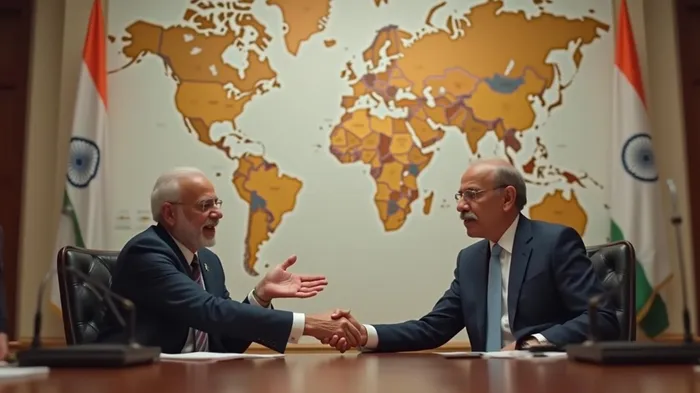

Stay ahead of the market.
Get curated U.S. market news, insights and key dates delivered to your inbox.






Comments
No comments yet