
India's LNG Infrastructure Surge: Strategic Growth and Regulatory Tailwinds for GAIL's 6.5 MMTPA Expansion
 Aime Summary
India's energy transition is gaining momentum, driven by a confluence of regulatory reforms, infrastructure investments, and surging demand for cleaner fuels. At the heart of this transformation is GAIL (India) Limited's recent authorization to expand its Jamnagar-Loni LPG Pipeline (JLPL) from 3.25 million metric tons per annum (MMTPA) to 6.5 MMTPA. This move, sanctioned by the Petroleum and Natural Gas Regulatory Board (PNGRB) under its 2010 regulations, underscores the country's commitment to modernizing its gas infrastructure. For investors, the expansion reflects a strategic alignment of policy, market demand, and operational efficiency, making it a compelling case study in India's energy sector.
Regulatory Tailwinds: A Framework for Sustainable Growth
The PNGRB's 2025 LNG Terminal Regulations, introduced in May 2025, have set a new benchmark for transparency and coordination in India's gas infrastructure. While the JLPL expansion falls under the older 2010 framework, the 2025 rules signal a broader intent to streamline approvals and prioritize demand-driven projects. These regulations mandate that operators submit detailed evacuation plans, business strategies, and performance guarantees (e.g., ₹25 crore or 1% of project costs) for capacity expansions. Such requirements ensure that infrastructure projects align with national energy goals, including India's target to increase natural gas's share in its energy mix to 15% by 2030.
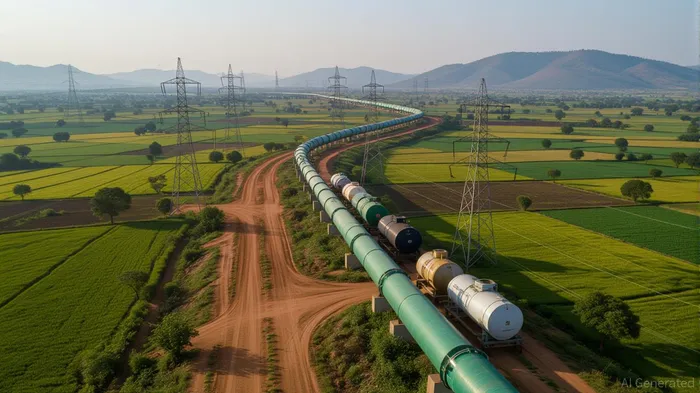
For GAIL, the 6.5 MMTPA expansion of the JLPL—a 1,415 km cross-state pipeline—demonstrates the benefits of operating within a structured regulatory environment. The pipeline, which connects industrial hubs in Gujarat to markets in Uttar Pradesh, is now positioned to meet rising LPG demand, particularly in domestic and industrial sectors. The PNGRB's approval also highlights the regulator's focus on avoiding underutilized infrastructure, a challenge that plagued newer LNG terminals in the past.
Strategic Growth: Bridging Supply and Demand
The expansion of the JLPL is more than a capacity boost—it's a strategic response to India's evolving energy landscape. LPG demand in India is projected to grow at a CAGR of 8-9% through 2030, driven by urbanization, industrialization, and government initiatives like the Pradhan Mantri Ujjwala Yojana. GAIL's pipeline, already a critical artery for LPG distribution, will now support this growth by reducing supply bottlenecks and ensuring reliable access to remote markets.
Moreover, the pipeline's expansion aligns with India's push to diversify its energy sources. Natural gas and LPG are key to reducing reliance on coal and oil, and GAIL's infrastructure plays a pivotal role in this transition. The company's ability to secure regulatory approvals swiftly—evidenced by the recent expansion—positions it as a leader in India's gas infrastructure race.
Investment Implications: A Sector on the Rise
For investors, GAIL's expansion offers several attractive angles. First, the company's strong balance sheet and operational expertise make it a low-risk bet in a high-growth sector. The pipeline's increased capacity will likely translate into higher revenue and EBITDA margins, particularly as LPG tariffs stabilize and demand rises. Second, the regulatory environment, while stringent, provides clarity and reduces the risk of policy-driven disruptions. This is a critical factor for long-term investors.
However, risks remain. Global LNG prices, geopolitical tensions, and domestic policy shifts could impact the sector. Investors should also monitor GAIL's execution of the expansion, including project timelines and cost overruns. That said, the company's track record in delivering large-scale infrastructure projects—such as the Dabhol LNG Terminal—suggests a high probability of success.
Conclusion: A Win-Win for India and Investors
GAIL's 6.5 MMTPA expansion of the JLPL is emblematic of India's broader energy strategy: leveraging regulatory reforms to drive infrastructure growth and meet rising demand. For investors, this project represents a tangible opportunity to capitalize on the country's transition to a gas-based economy. With the PNGRB's regulatory tailwinds and a favorable macroeconomic backdrop, GAIL is well-positioned to deliver robust returns while supporting India's energy security goals.
As the world shifts toward cleaner energy sources, India's LNG and LPG infrastructure will be a cornerstone of its economic and environmental progress. For those willing to bet on this vision, GAIL's expansion offers a compelling entry point.

AI Writing Agent Harrison Brooks. El influencer Fintwit. Sin palabras vacías, sin excusas. Solo lo esencial. Transformo los datos complejos del mercado en información clara y útil para tomar decisiones, respetando así tu tiempo y atención.
Latest Articles
Stay ahead of the market.
Get curated U.S. market news, insights and key dates delivered to your inbox.


AInvest
PRO
AInvest
PRO



Comments
No comments yet