
India's Infrastructure Growth Slows to 2.3% Amid Rising Costs and Geopolitical Shocks
 Aime Summary
India’s infrastructure output growth slowed to 2.3% year-on-year in March 2026, down from 4.0% in the previous period according to the government's data.
India’s infrastructure sector, a long-standing pillar of economic growth, has shown signs of moderation. The March 2026 data indicates that infrastructure output grew at a more subdued pace compared to the previous period. This could be a sign of broader economic dynamics at play, such as shifting capital allocation or supply-side constraints, including rising construction costs 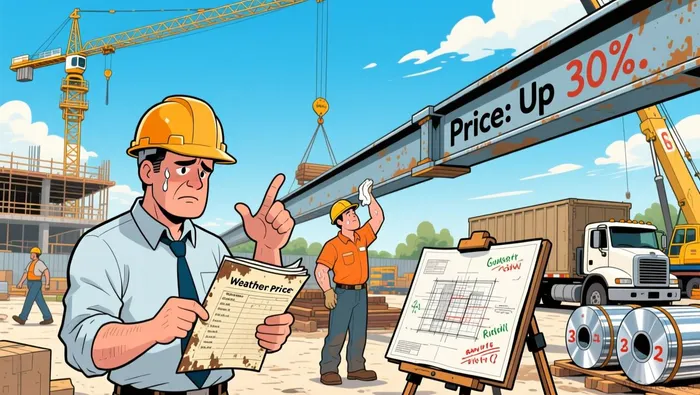 due to geopolitical tensions.
What Does the Slowdown in Infrastructure Output Signal for India’s Economic Outlook?
Infrastructure output has historically been a strong indicator of long-term economic resilience in India. A slowdown may indicate either a temporary pause in momentum or a shift in project timelines due to external factors. The data comes amid an environment of rising material costs for construction, including steel, aluminium, and imported marble— impacted by disruptions in the Strait of Hormuz. These factors are likely contributing to the slower growth in infrastructure activity, particularly in luxury real estate and high-end developments in cities like Mumbai.
The government has emphasized infrastructure-led growth in its policy framework, with significant capital expenditure increasing from ₹2 lakh crore in FY2014–15 to ₹12.2 lakh crore in FY2026–27. This investment aims to promote balanced urban development and attract private participation through mechanisms like the Infrastructure Risk Guarantee Fund. However, the current data suggests that the rollout of these initiatives may be facing operational or logistical challenges.
Why Are Investors Watching Infrastructure Growth Closely Now?
Infrastructure output is closely watched by investors as a barometer of economic resilience and long-term development in India. Slower growth could raise questions about the effectiveness of public investment and the ability of private players to scale up infrastructure projects. The data also comes amid rising geopolitical risks, such as U.S.-China tech decoupling and increased cyber threats, which may affect investor sentiment and capital flows according to economic reports.
Moreover, the infrastructure slowdown coincides with a broader economic context of elevated external pressures. India’s forex reserves have come under pressure due to a strong U.S. dollar and geopolitical shocks, reducing the flexibility of the Reserve Bank of India to manage currency volatility. While the government has implemented tools like Public-Private Partnerships (PPPs) to drive infrastructure development, a slowdown in output may highlight the need for more aggressive policy support or private sector participation .
Investors should closely monitor the government’s response to these challenges. The Union Budget 2026–27 introduced measures like the City Economic Regions (CERs) to promote urban development and attract private investment as part of broader infrastructure strategy. The success of these initiatives in reviving infrastructure growth will be a key indicator of India’s economic trajectory over the next 12–18 months.

Descubre el mundo de las finanzas globales con Epic Events Finance.
Latest Articles
Stay ahead of the market.
Get curated U.S. market news, insights and key dates delivered to your inbox.


AInvest
PRO
AInvest
PRO



Comments
No comments yet