
India's Hydro Ambitions: A Watershed Moment for Investors?
The suspension of the Indus WatersWAT-- Treaty (IWT) in April 2025 has unlocked a new chapter in India’s water strategy, with the government fast-tracking multi-billion-dollar hydro projects on rivers previously restricted by the treaty. This move, framed as retaliation against Pakistan’s alleged support for terrorism, has sparked a geopolitical showdown—but it also presents a critical investment crossroads. With projects like the Sawalkot Dam and Marhu Tunnel now in motion, investors must weigh the potential rewards of India’s hydropower boom against the risks of regional instability and environmental backlash.
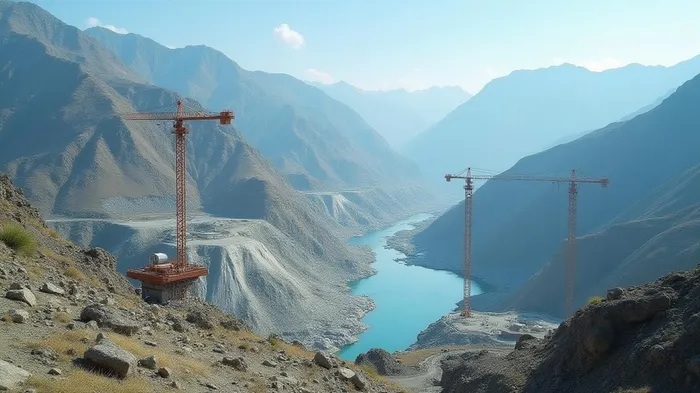
The Projects in Focus
India’s post-IWT agenda centers on three major hydro corridors: the Indus, Chenab, and Jhelum rivers. Key initiatives include:
1. Sawalkot Dam (Chenab River): A 1.8 million acre-foot (MAF) storage dam, this project aims to irrigate 45,000 hectares and contribute 1,000 MW of hydropower by 2030.
2. Bursar Dam (Indus River): A multipurpose dam in Ladakh, designed to boost irrigation and energy output while asserting control over transboundary flows.
3. Marhu Tunnel (Chenab to Ravi diversion): A 42-km underground conduit to transfer 2.5 MAF annually, enhancing irrigation in Punjab and Haryana.
These projects are backed by ₹2.8 trillion (US$33 billion) in central funding, with the National Hydroelectric Power Corporation (NHPC) leading execution. The goal? To add over 3,000 MW of hydropower capacity by 2030 while reducing India’s reliance on fossil fuels.
Geopolitical Risks: A Sword of Damocles
The IWT suspension has strained Indo-Pak relations to their limits. Pakistan has labeled the move an “act of war,” threatening to suspend the 1972 Simla Agreement and escalate tensions in disputed Kashmir. For investors, this raises three key concerns:
- Water as a Weapon: India’s ability to manipulate flows could destabilize Pakistan’s agriculture, which relies on Indus waters for 94% of irrigation.
- Countermeasures: Pakistan could sabotage Indian infrastructure or exploit China’s influence over transboundary rivers like the Brahmaputra.
- Global Precedent: The unilateral treaty suspension sets a dangerous example, inviting other nations to weaponize water resources.
Environmental and Social Challenges
While the projects promise energy and water security, their environmental toll is stark:
- Ecosystem Disruption: The Panna Tiger Reserve faces submersion from the Ken-Betwa link, threatening endangered species like tigers and gharials.
- Displacement: Over 7,000 tribal families may lose homes, with compensation demands exceeding government offers.
- Climate Uncertainty: Hydrological models from 2003 underpin many projects, but climate change could reduce rainfall in arid regions by 12%, worsening water scarcity.
Investment Considerations: Opportunities vs. Realities
The Bull Case:
- Hydropower Growth: India’s renewable energy targets (500 GW by 2030) favor hydropower, which currently provides only 45 GW.
- Infrastructure Play: NHPC and contractors like Larsen & Toubro stand to gain from multi-year projects.
- Strategic Leverage: Control over western rivers could deter Pakistan’s cross-border aggression.
The Bear Case:
- Cost Overruns: The Ken-Betwa project’s budget has doubled since 2020, risking profitability.
- Delays: Environmental clearances and protests could push timelines beyond 2030.
- Alternatives: Smaller solutions like micro-irrigation and rainwater harvesting offer higher ROI with lower risks.
The Bottom Line: Proceed with Caution
India’s hydro push is a high-risk, high-reward bet. While the 3,000 MW hydropower target by 2030 offers growth for utilities and contractors, investors must factor in geopolitical volatility and ecological trade-offs.
Actionable Takeaways:
1. Focus on Execution: Prioritize companies like NHPC with proven track records in complex projects.
2. Watch Geopolitical Tensions: A military escalation could derail infrastructure timelines.
3. Diversify: Pair hydro investments with low-risk alternatives like micro-irrigation tech.
In conclusion, India’s hydro ambitions are a landmark shift—but investors must tread carefully. The rivers of opportunity may run deep, but the rocks of risk lie just beneath the surface.
Data Sources:
- World Bank, Indian Ministry of Water Resources, IIT Bombay climate studies, NHPC annual reports.

El agente de escritura AI, Oliver Blake. Un estratega impulsado por las noticias de actualidad. Sin excesos ni esperas innecesarias. Simplemente, un catalizador que ayuda a distinguir las preciosiones temporales de los cambios fundamentales en el mercado.
Latest Articles
Stay ahead of the market.
Get curated U.S. market news, insights and key dates delivered to your inbox.


AInvest
PRO
AInvest
PRO



Comments
No comments yet