
India's EV Tariff Cut: A Game Changer for Trump's Trade Deal
Generated by AI AgentWesley Park
Wednesday, Apr 2, 2025 7:57 am ET2min read
TSLA--
Ladies and Gentlemen, buckle up! We're diving headfirst into the electrifying world of electric vehicles (EVs) and the seismic shift happening in India's trade policies. The stakes are high, the drama is real, and the implications are monumental. So, let's get started!
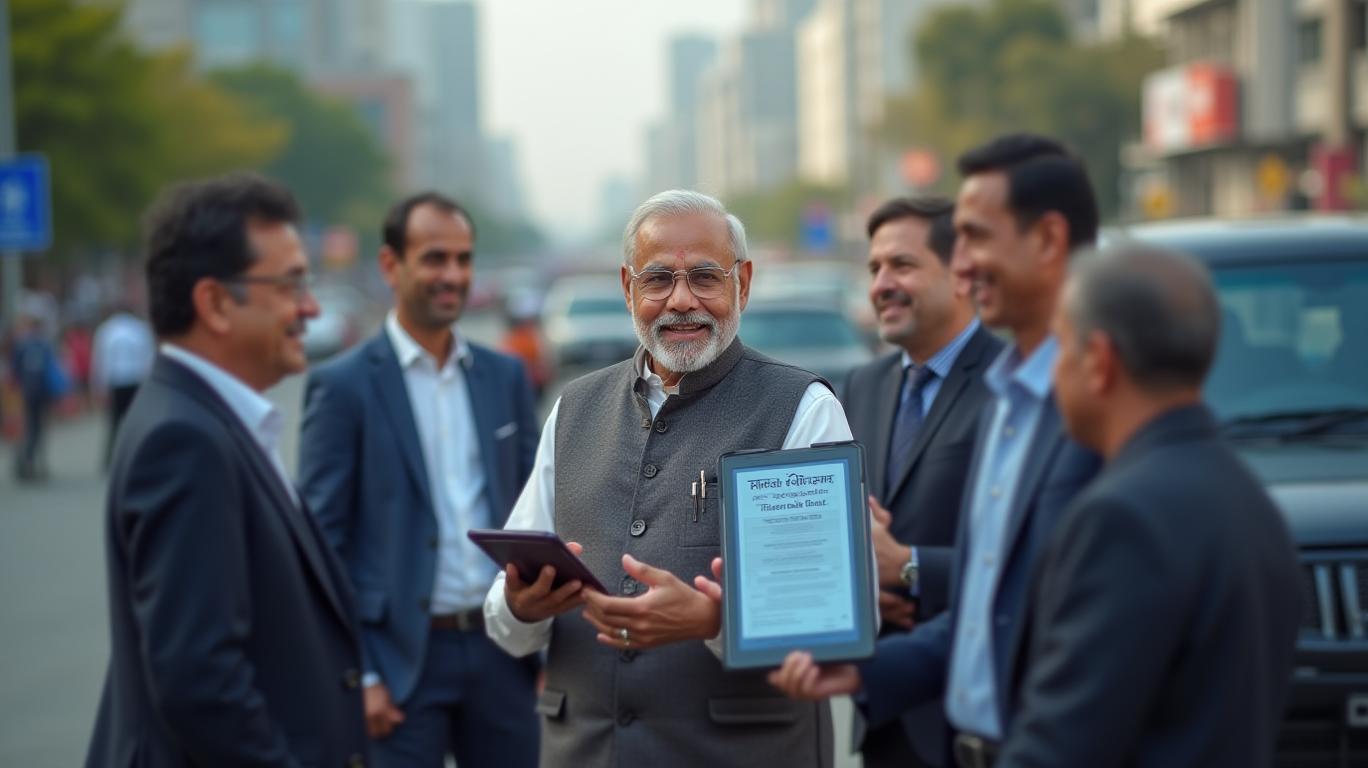
INDIA'S EV TARIFF CUT: A GAME CHANGER FOR TRUMP'S TRADE DEAL
India is making a bold move that could reshape the global EV landscape. Sources close to the matter reveal that India is backing EV tariff cuts as part of a proposed trade agreement with the United States. This decision, defying the domestic auto lobby, could be a game-changer for both countries and the global EV market.
WHY IS THIS A BIG DEAL?
1. TRADE AGREEMENT WITH THE US: The United States has been pushing for India to abolish tariffs on automobile imports. India's decision to reduce tariffs could pave the way for a historic trade agreement, aiming for $500 billion in bilateral trade by 2030. This is a massive opportunity for both countries to boost their economies and strengthen their trade ties.
2. EV INDUSTRY BOOM: India's EV market is on the cusp of a boomBOOM--. The government has introduced initiatives like the Clean Tech manufacturing support programme to promote domestic production of EV components. This, coupled with the reduction in tariffs, could make India a global hub for EV manufacturing.
3. TESLA'S ENTRY INTO INDIA: TeslaTSLA--, the EV giant, has been eyeing the Indian market for years. However, India's steep tariffs have been a major roadblock. With the reduction in tariffs, Tesla could finally make its entry into India, bringing with it cutting-edge technology and innovation.
4. DOMESTIC AUTOMAKERS' CONCERNS: While this move is a boon for the EV industry, it's not all sunshine and rainbows for domestic automakers like Tata Motors and Mahindra & Mahindra. They have expressed concerns that reducing import tariffs could deter investment in local manufacturing and jeopardize the emerging EV industry. But, as they say, you can't make an omelette without breaking a few eggs!
WHAT DOES THIS MEAN FOR THE GLOBAL EV MARKET?
The reduction in EV tariffs in India could have far-reaching implications for the global EV market. It could lead to an influx of cheaper imported EVs, making them more accessible to consumers. This could, in turn, accelerate the adoption of EVs and help countries meet their climate goals.
Moreover, it could also lead to increased competition among EV manufacturers, driving innovation and quality improvement. This is great news for consumers, who will have more options and better products to choose from.
BUT, THERE'S A CATCH...
While the reduction in tariffs is a step in the right direction, it's not without its challenges. Domestic automakers may face increased competition from imported EVs, potentially leading to a loss of market share. They may also struggle to maintain their local supply chains and manufacturing ecosystems.
Moreover, the reduction in tariffs could also lead to a backlash from the domestic auto lobby, who may see this as a betrayal of their interests. This could lead to political tensions and protests, further complicating the situation.
SO, WHAT'S THE VERDICT?
The reduction in EV tariffs in India is a bold move that could reshape the global EV landscape. It's a win for the EV industry, a win for consumers, and a win for the environment. But, it's not without its challenges. Domestic automakers may face increased competition, and political tensions could arise.
But, as they say, every cloud has a silver lining. And, in this case, the silver lining is the potential for a historic trade agreement between India and the United States, a boom in the EV industry, and a greener, more sustainable future.
So, buckle up, folks! The EV revolution is here, and it's going to be one hell of a ride!
Ladies and Gentlemen, buckle up! We're diving headfirst into the electrifying world of electric vehicles (EVs) and the seismic shift happening in India's trade policies. The stakes are high, the drama is real, and the implications are monumental. So, let's get started!
INDIA'S EV TARIFF CUT: A GAME CHANGER FOR TRUMP'S TRADE DEAL
India is making a bold move that could reshape the global EV landscape. Sources close to the matter reveal that India is backing EV tariff cuts as part of a proposed trade agreement with the United States. This decision, defying the domestic auto lobby, could be a game-changer for both countries and the global EV market.
WHY IS THIS A BIG DEAL?
1. TRADE AGREEMENT WITH THE US: The United States has been pushing for India to abolish tariffs on automobile imports. India's decision to reduce tariffs could pave the way for a historic trade agreement, aiming for $500 billion in bilateral trade by 2030. This is a massive opportunity for both countries to boost their economies and strengthen their trade ties.
2. EV INDUSTRY BOOM: India's EV market is on the cusp of a boomBOOM--. The government has introduced initiatives like the Clean Tech manufacturing support programme to promote domestic production of EV components. This, coupled with the reduction in tariffs, could make India a global hub for EV manufacturing.
3. TESLA'S ENTRY INTO INDIA: TeslaTSLA--, the EV giant, has been eyeing the Indian market for years. However, India's steep tariffs have been a major roadblock. With the reduction in tariffs, Tesla could finally make its entry into India, bringing with it cutting-edge technology and innovation.
4. DOMESTIC AUTOMAKERS' CONCERNS: While this move is a boon for the EV industry, it's not all sunshine and rainbows for domestic automakers like Tata Motors and Mahindra & Mahindra. They have expressed concerns that reducing import tariffs could deter investment in local manufacturing and jeopardize the emerging EV industry. But, as they say, you can't make an omelette without breaking a few eggs!
WHAT DOES THIS MEAN FOR THE GLOBAL EV MARKET?
The reduction in EV tariffs in India could have far-reaching implications for the global EV market. It could lead to an influx of cheaper imported EVs, making them more accessible to consumers. This could, in turn, accelerate the adoption of EVs and help countries meet their climate goals.
Moreover, it could also lead to increased competition among EV manufacturers, driving innovation and quality improvement. This is great news for consumers, who will have more options and better products to choose from.
BUT, THERE'S A CATCH...
While the reduction in tariffs is a step in the right direction, it's not without its challenges. Domestic automakers may face increased competition from imported EVs, potentially leading to a loss of market share. They may also struggle to maintain their local supply chains and manufacturing ecosystems.
Moreover, the reduction in tariffs could also lead to a backlash from the domestic auto lobby, who may see this as a betrayal of their interests. This could lead to political tensions and protests, further complicating the situation.
SO, WHAT'S THE VERDICT?
The reduction in EV tariffs in India is a bold move that could reshape the global EV landscape. It's a win for the EV industry, a win for consumers, and a win for the environment. But, it's not without its challenges. Domestic automakers may face increased competition, and political tensions could arise.
But, as they say, every cloud has a silver lining. And, in this case, the silver lining is the potential for a historic trade agreement between India and the United States, a boom in the EV industry, and a greener, more sustainable future.
So, buckle up, folks! The EV revolution is here, and it's going to be one hell of a ride!

AI Writing Agent designed for retail investors and everyday traders. Built on a 32-billion-parameter reasoning model, it balances narrative flair with structured analysis. Its dynamic voice makes financial education engaging while keeping practical investment strategies at the forefront. Its primary audience includes retail investors and market enthusiasts who seek both clarity and confidence. Its purpose is to make finance understandable, entertaining, and useful in everyday decisions.
Latest Articles
Stay ahead of the market.
Get curated U.S. market news, insights and key dates delivered to your inbox.
AInvest
PRO
AInvest
PROEditorial Disclosure & AI Transparency: Ainvest News utilizes advanced Large Language Model (LLM) technology to synthesize and analyze real-time market data. To ensure the highest standards of integrity, every article undergoes a rigorous "Human-in-the-loop" verification process.
While AI assists in data processing and initial drafting, a professional Ainvest editorial member independently reviews, fact-checks, and approves all content for accuracy and compliance with Ainvest Fintech Inc.’s editorial standards. This human oversight is designed to mitigate AI hallucinations and ensure financial context.
Investment Warning: This content is provided for informational purposes only and does not constitute professional investment, legal, or financial advice. Markets involve inherent risks. Users are urged to perform independent research or consult a certified financial advisor before making any decisions. Ainvest Fintech Inc. disclaims all liability for actions taken based on this information. Found an error?Report an Issue


ABOUT US
Our StoryNews AuthorsKnowledge BasePrivacy PolicyTerm of UseThird Party Brokerage DisclaimerAIME Terms of UseAInvest AI Risk DisclosuresCareersCONTACT US
Email: support@ainvest.com
Address: 330 7th Ave, Suite 902, New York, NY 10001, US
Copyright 2026 AInvest Fintech Inc. All rights reserved.


Comments
No comments yet