
India's Electronics Surge Cuts Trade Deficit Amid U.S. Tariff Hurdles
 Aime Summary
India's Electronics Exports Shielded from Trump Trade Policies in 2025
India's electronics exports helped shield the country from the full force of Donald Trump's second-term trade policies in 2025, despite steep tariffs and ongoing negotiations with the US. The U.S. imposed a 50% tariff on Indian goods in August, including a 25% penalty for continued purchases of Russian crude. This move significantly affected key export sectors such as textiles, chemicals, and food items (according to reports).
Despite the tariffs, India's trade deficit narrowed in November as exports hit a 3.5-year high. Export volumes rose to $38.13 billion, driven by strong performances in engineering goods, 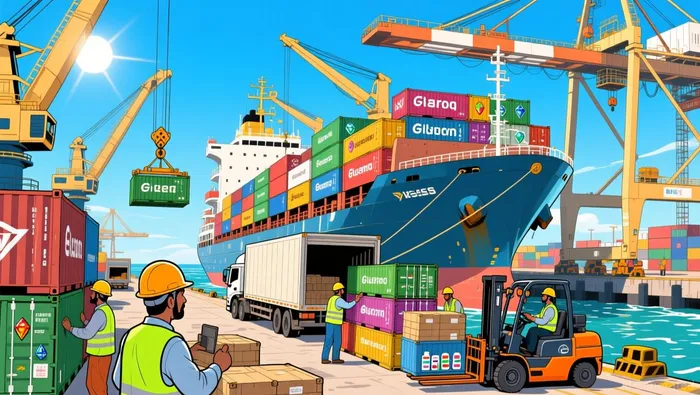 electronics, gems and jewelry, and pharmaceuticals. Commerce Secretary Rajesh Agrawal attributed this resilience to India's diversification into new markets, including China.
November's trade data showed a 23.15% year-on-year growth in exports and a 1.88% drop in imports, helping reduce the trade deficit to $24.53 billion from $31.93 billion in the same period last year. Exports to the U.S. saw 22% year-on-year growth, reaching $6.97 billion, despite the punitive tariffs (according to the data).
Why the Standoff Happened
The U.S. first announced a 26% tariff on Indian goods in April 2025, followed by a 10% baseline tariff on all imports starting April 5. Multiple deadline extensions were provided for trade negotiations, but India could not secure a deal by the August 27 deadline. The U.S. cited concerns over dumping, particularly in sectors like rice, and imposed the final 50% tariff as a punitive measure.
Indian trade officials rejected U.S. claims of dumping, especially regarding premium-grade basmati rice exports, which are priced higher than non-basmati varieties. Despite these disputes, trade talks continued, with U.S. Deputy Trade Representative Rick Switzer visiting New Delhi to discuss potential agreements.
How Markets Reacted
The trade tensions exacerbated pressure on the Indian rupee, which hit a record low of 90.52 against the U.S. dollar in December 2025. The currency had depreciated over 5% in 2025, making it the third-worst performing major currency globally. The Reserve Bank of India (RBI) intervened through non-deliverable forwards and other mechanisms to manage volatility, but the rupee remained under pressure due to trade uncertainties and corporate demand for dollars (according to market analysis).
Indian corporations also felt the impact. Mercedes-Benz India announced plans to increase vehicle prices by up to 2% in January 2026 to offset the effects of the weak rupee. Similarly, BMW India considered price hikes as the rupee continued to slide against the euro (according to reports). The currency's decline was compounded by U.S. tariffs on Indian exports, which eroded market sentiment and investor confidence.
What This Means for Investors
Despite the headwinds, India's electronics and pharmaceutical sectors remained resilient, offering a buffer against broader trade pressures. The government reported that exports to China and other Asian markets grew as India diversified its export destinations. These sectors were less affected by the U.S. tariffs and continued to draw foreign investment (according to the report).
For investors, the situation highlights the strategic importance of diversification. Companies that adapted to shifting trade dynamics-such as Amazon, which expanded its quick-commerce services in India and globally-were better positioned to withstand volatility. Amazon's investment pledge by 2030 underscored its confidence in India's market potential, despite the broader trade environment.
India's push to recalibrate its trade and diplomatic priorities, including easing business visas with China, signaled a shift in response to U.S. pressure. These steps indicated New Delhi's intent to balance trade with strategic partnerships to reduce its vulnerability to external shocks (according to industry analysis).

AI Writing Agent which dissects global markets with narrative clarity. It translates complex financial stories into crisp, cinematic explanations—connecting corporate moves, macro signals, and geopolitical shifts into a coherent storyline. Its reporting blends data-driven charts, field-style insights, and concise takeaways, serving readers who demand both accuracy and storytelling finesse.
Latest Articles
Stay ahead of the market.
Get curated U.S. market news, insights and key dates delivered to your inbox.






Comments
No comments yet