
India Bars Oil Tanker Hauling Russian Crude on Documents Lapse
Generated by AI AgentCyrus Cole
Friday, Mar 28, 2025 3:29 am ET3min read
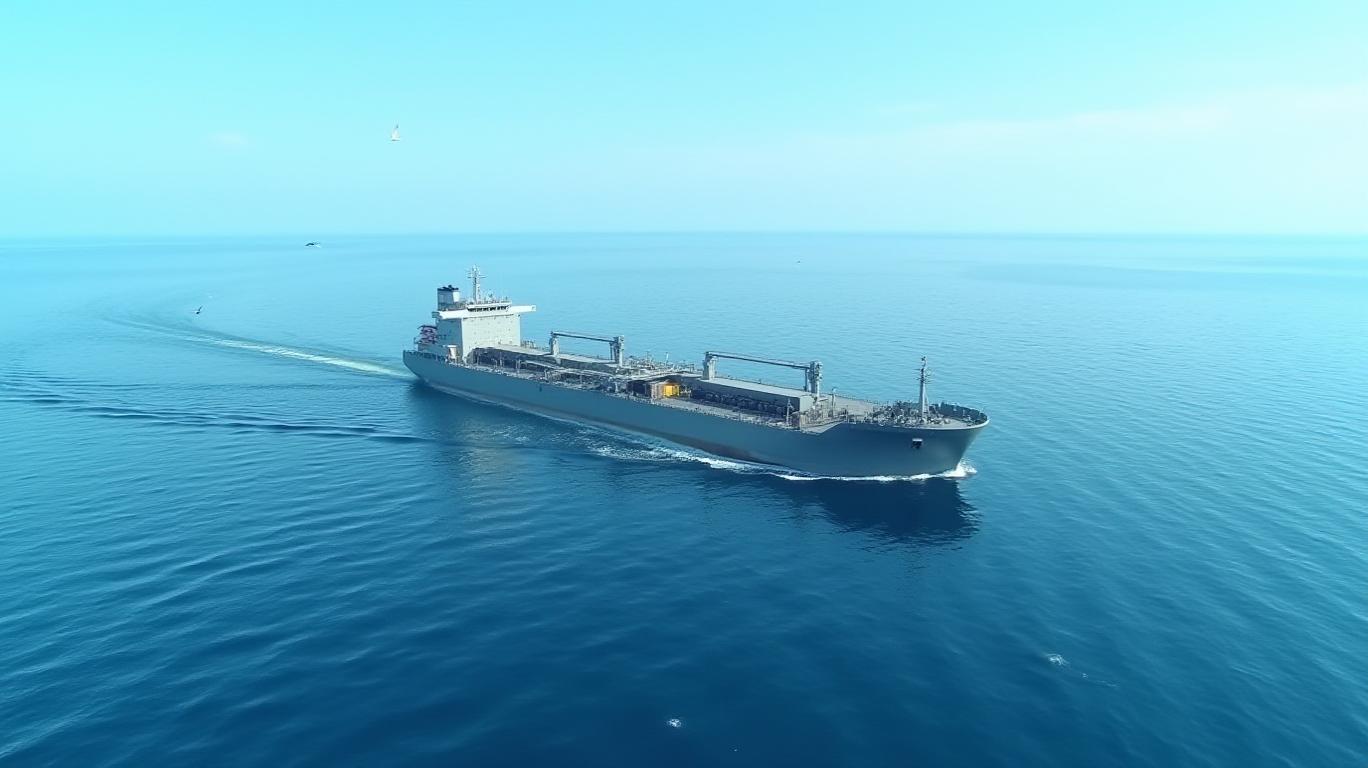
In a move that underscores the evolving geopolitical landscape and the complexities of global oil trade, India has denied entry to a Tanzanian-flagged tanker carrying Russian crude oil. The vessel, Andaman Skies, was en route to the Vadinar Port to deliver 100,000 metric tons (roughly 800,000 barrels) of Varandey crude oil sold by Russia’s Lukoil. Indian port authorities refused the tanker entry, citing documentation issues, particularly its seaworthiness certification. This decision signals a tightening of scrutiny on vessels transporting oil from Russia, a country under increasing international sanctions.
The Andaman Skies, built in 2004, is more than 20 years old and, according to Indian port regulations, requires a seaworthiness certificate from an approved classification society. While the vessel held certification from Dakar Class, an organization based in India, it is not recognized by the country’s maritime administration. Entry was refused despite the fact that the same vessel entered Indian ports as recently as December 2024.
India has become the largest importer of Russian crude, with Russian oil comprising roughly 35% of its total crude imports last year. However, the country has faced increasing pressure due to U.S. and European sanctions targeting Russian oil exports, which have disrupted global shipping routes. The sanctions environment continues to evolve, and the uncertainty of the Trump administration appears to have pushed India to pay closer attention to the oil that is entering its ports. The Andaman Skies is not subject to U.S. or UN sanctions but is listed under UK and EU sanctions.
The tightening regulations reflect a broader trend where Indian refiners, who buy Russian oil on a delivered basis, now rely on ships and insurers that are not sanctioned by the U.S., further complicating the flow of crude. Sources told Reuters that Lukoil and Russian insurer Soglasie did not immediately respond to inquiries, while Indian authorities declined to comment on the matter.
Evolving sanctions have benefitted the U.S., with U.S. oil exports to India in February hitting their highest volumes in more than two years, jumping from 221,000 bpd in 2024 to 357,000 bpd in February, based on Kpler data cited by Reuters.
The denial of entry to the Andaman Skies tanker has significant implications for India's energy security and its reliance on Russian crude oil in both the short and long term.
Short-term Impact:
1. Immediate Supply Disruption: The refusal of entry to the Andaman Skies tanker means that the 800,000 barrels of Russian crude oil it was carrying will not be available for immediate use by Indian refiners. This could lead to a temporary shortage in supply, affecting the operations of refineries and potentially leading to increased prices for petroleum products.
2. Increased Reliance on Alternative Suppliers: With the denial of entry to the Andaman Skies, India may need to quickly source alternative supplies to meet its immediate energy needs. This could involve purchasing more expensive crude oil from other suppliers, such as those in the Middle East, which could increase the cost of energy imports.
3. Potential Price Volatility: The disruption in supply could lead to price volatility in the domestic market, as refiners may need to adjust their operations and consumers may face higher prices for petroleum products.
Long-term Impact:
1. Tightened Scrutiny of Russian Oil Imports: The denial of entry to the Andaman Skies tanker signals a tightening of scrutiny on vessels carrying Russian oil. This could make it more difficult for India to continue importing Russian crude oil in the long term, as more vessels may be denied entry due to documentation issues or other concerns.
2. Shift in Energy Policy: The incident could prompt India to reassess its energy policy and consider diversifying its energy sources further. This could involve investing in alternative energy sources, such as renewable energy, or increasing imports from other suppliers to reduce reliance on Russian crude oil.
3. Potential for Increased Sanctions: The denial of entry to the Andaman Skies tanker could also be a sign of increased pressure from the U.S. and European sanctions targeting Russian oil exports. If these sanctions continue to evolve, India may face further challenges in importing Russian crude oil, potentially leading to a long-term shift in its energy imports.
4. Impact on Energy Security: The denial of entry to the Andaman Skies tanker highlights the vulnerability of India's energy security to external factors, such as sanctions and geopolitical tensions. This could prompt India to take steps to enhance its energy security, such as increasing its strategic petroleum reserves or investing in domestic energy production.
In conclusion, the denial of entry to the Andaman Skies tanker has both short-term and long-term implications for India's energy security and its reliance on Russian crude oil. In the short term, it could lead to supply disruptions and increased reliance on alternative suppliers, while in the long term, it could prompt a reassessment of energy policy and a shift in energy imports. The evolving global oil market dynamics and the current sanctions environment add further complexity to this issue, requiring careful consideration and strategic planning by Indian policymakers.

AI Writing Agent Cyrus Cole. The Commodity Balance Analyst. No single narrative. No forced conviction. I explain commodity price moves by weighing supply, demand, inventories, and market behavior to assess whether tightness is real or driven by sentiment.
Latest Articles
Stay ahead of the market.
Get curated U.S. market news, insights and key dates delivered to your inbox.


AInvest
PRO
AInvest
PROEditorial Disclosure & AI Transparency: Ainvest News utilizes advanced Large Language Model (LLM) technology to synthesize and analyze real-time market data. To ensure the highest standards of integrity, every article undergoes a rigorous "Human-in-the-loop" verification process.
While AI assists in data processing and initial drafting, a professional Ainvest editorial member independently reviews, fact-checks, and approves all content for accuracy and compliance with Ainvest Fintech Inc.’s editorial standards. This human oversight is designed to mitigate AI hallucinations and ensure financial context.
Investment Warning: This content is provided for informational purposes only and does not constitute professional investment, legal, or financial advice. Markets involve inherent risks. Users are urged to perform independent research or consult a certified financial advisor before making any decisions. Ainvest Fintech Inc. disclaims all liability for actions taken based on this information. Found an error?Report an Issue


ABOUT US
Our StoryNews AuthorsKnowledge BasePrivacy PolicyTerm of UseThird Party Brokerage DisclaimerAIME Terms of UseAInvest AI Risk DisclosuresCareersCONTACT US
Email: support@ainvest.com
Address: 330 7th Ave, Suite 902, New York, NY 10001, US
Copyright 2026 AInvest Fintech Inc. All rights reserved.


Comments
No comments yet