
Incyte's New Treatment for Chronic Skin Disease Shows Promising Results In Latest Clinical Trials, Stock Falls
Generated by AI AgentMarcus Lee
Monday, Mar 17, 2025 10:05 am ET2min read
INCY--
Incyte Corporation (INCY) has been making waves in the biotech industry with its latest clinical trial results for a new treatment for chronic skin diseases. The company's experimental drug, ruxolitinib cream 1.5% (Opzelura), has shown promising results in two separate late-stage studies testing it in patients with an inflammatory skin condition called hidradenitis suppurativa (HS). However, despite the positive news, Incyte's stock price has fallen, leaving investors and analysts scratching their heads.
The Phase 3 TRuE-PN clinical trial program evaluated the safety and efficacy of ruxolitinib cream 1.5% in adult patients with prurigo nodularis (PN), a chronic skin condition characterized by very itchy firm lumps. The TRuE-PN1 study metMET-- its primary endpoint, demonstrating that significantly more PN patients who applied ruxolitinib cream 1.5% versus vehicle control achieved a ≥4-point improvement from baseline in Worst-Itch Numeric Rating Scale (WI-NRS4) at Week 12 (44.6% vs 20.6%). This indicates a substantial reduction in itch, which is a key symptom of PN. Additionally, the study met all key secondary endpoints, including significantly more patients achieving an Investigator's Global Assessment for Stage of Chronic Prurigo Treatment Success (IGA-CPG-S-TS) at Week 12 (15.8% vs 3.9%) and overall treatment success (11.9% vs 2.9%).
However, the topline data from the Phase 3 TRuE-PN2 clinical trial showed a positive trend across all key secondary endpoints at Day 7 (nominal P-value <0.05 for both). While the primary endpoint favored ruxolitinib cream 1.5% versus vehicle, it did not reach statistical significance due to the high placebo response. This suggests that while ruxolitinib cream 1.5% shows promise, further studies may be needed to confirm its efficacy in this patient population.
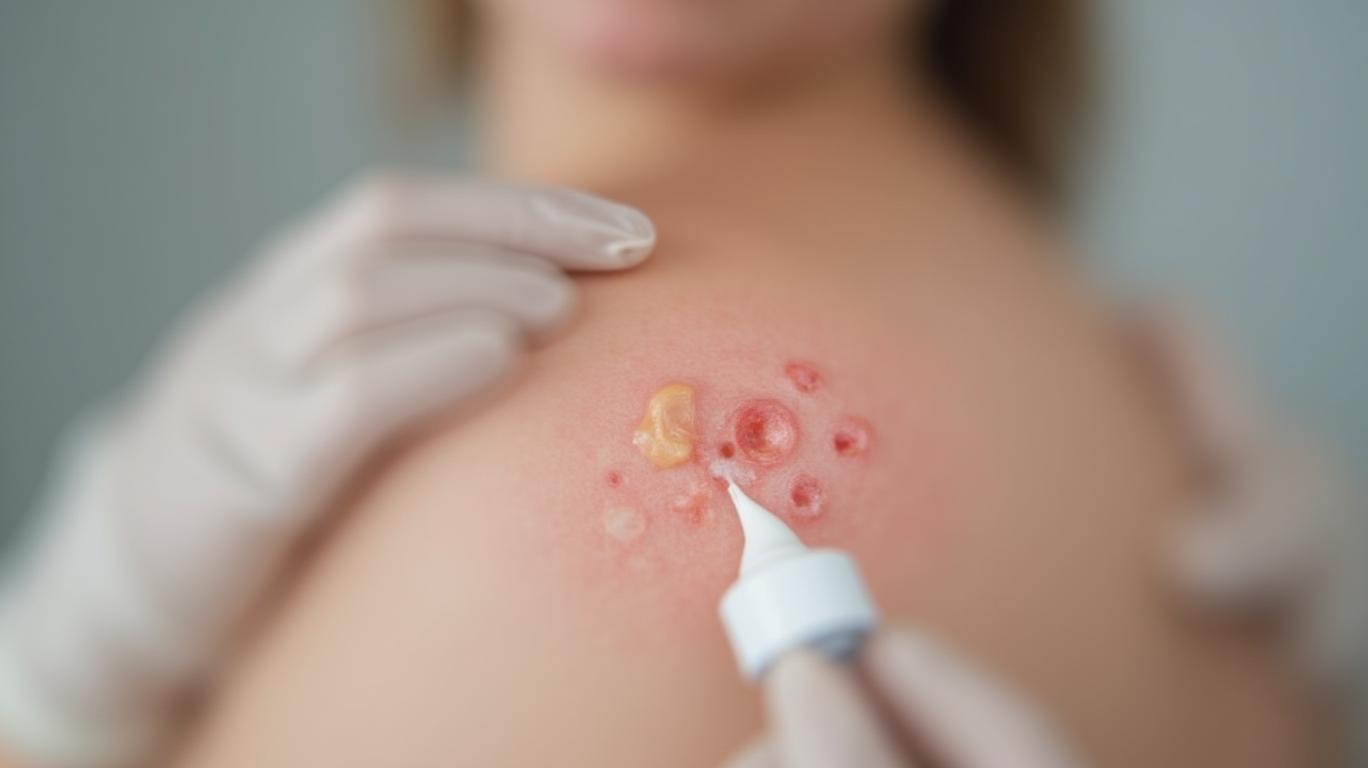
The implications of these results for the future development and approval of ruxolitinib cream 1.5% (Opzelura) are significant. The positive results from the TRuE-PN1 study, in particular, reinforce the potential of ruxolitinib cream to become an effective topical treatment option for patients with PN. These findings will inform planned discussions with regulatory authorities on submission, which could lead to the approval of ruxolitinib cream 1.5% for the treatment of PN. This would provide a much-needed novel approach for PN patients, as current treatment options are often inadequate.
Despite the promising clinical trial results, Incyte's stock price has fallen. Analysts like William Blair's Matt Phipps viewed the TRuE-PN study results as disappointing, despite the overall positive trend in secondary endpoints. The high placebo response in the clinical trial, unmet market expectations, the perception of a smaller market potential, overall investor sentiment, and the competitive landscape are all factors that contributed to the negative market reaction.
Incyte's new treatment for chronic skin diseases presents significant market opportunities and challenges. The unmet medical needs in these indications provide a strong market opportunity for IncyteINCY-- to capture a significant share of the market. However, challenges such as high placebo response, competition, and regulatory hurdles must be navigated to realize the full potential of these treatments and support Incyte's long-term growth prospects.
In conclusion, Incyte's new treatments for chronic skin diseases show promising results in the latest clinical trials, but the stock price decline highlights the challenges and uncertainties in the biotech industry. Investors and analysts will be closely watching Incyte's next moves as it navigates the regulatory approval process and competes in the crowded market for chronic skin disease treatments.
Incyte Corporation (INCY) has been making waves in the biotech industry with its latest clinical trial results for a new treatment for chronic skin diseases. The company's experimental drug, ruxolitinib cream 1.5% (Opzelura), has shown promising results in two separate late-stage studies testing it in patients with an inflammatory skin condition called hidradenitis suppurativa (HS). However, despite the positive news, Incyte's stock price has fallen, leaving investors and analysts scratching their heads.
The Phase 3 TRuE-PN clinical trial program evaluated the safety and efficacy of ruxolitinib cream 1.5% in adult patients with prurigo nodularis (PN), a chronic skin condition characterized by very itchy firm lumps. The TRuE-PN1 study metMET-- its primary endpoint, demonstrating that significantly more PN patients who applied ruxolitinib cream 1.5% versus vehicle control achieved a ≥4-point improvement from baseline in Worst-Itch Numeric Rating Scale (WI-NRS4) at Week 12 (44.6% vs 20.6%). This indicates a substantial reduction in itch, which is a key symptom of PN. Additionally, the study met all key secondary endpoints, including significantly more patients achieving an Investigator's Global Assessment for Stage of Chronic Prurigo Treatment Success (IGA-CPG-S-TS) at Week 12 (15.8% vs 3.9%) and overall treatment success (11.9% vs 2.9%).
However, the topline data from the Phase 3 TRuE-PN2 clinical trial showed a positive trend across all key secondary endpoints at Day 7 (nominal P-value <0.05 for both). While the primary endpoint favored ruxolitinib cream 1.5% versus vehicle, it did not reach statistical significance due to the high placebo response. This suggests that while ruxolitinib cream 1.5% shows promise, further studies may be needed to confirm its efficacy in this patient population.
The implications of these results for the future development and approval of ruxolitinib cream 1.5% (Opzelura) are significant. The positive results from the TRuE-PN1 study, in particular, reinforce the potential of ruxolitinib cream to become an effective topical treatment option for patients with PN. These findings will inform planned discussions with regulatory authorities on submission, which could lead to the approval of ruxolitinib cream 1.5% for the treatment of PN. This would provide a much-needed novel approach for PN patients, as current treatment options are often inadequate.
Despite the promising clinical trial results, Incyte's stock price has fallen. Analysts like William Blair's Matt Phipps viewed the TRuE-PN study results as disappointing, despite the overall positive trend in secondary endpoints. The high placebo response in the clinical trial, unmet market expectations, the perception of a smaller market potential, overall investor sentiment, and the competitive landscape are all factors that contributed to the negative market reaction.
Incyte's new treatment for chronic skin diseases presents significant market opportunities and challenges. The unmet medical needs in these indications provide a strong market opportunity for IncyteINCY-- to capture a significant share of the market. However, challenges such as high placebo response, competition, and regulatory hurdles must be navigated to realize the full potential of these treatments and support Incyte's long-term growth prospects.
In conclusion, Incyte's new treatments for chronic skin diseases show promising results in the latest clinical trials, but the stock price decline highlights the challenges and uncertainties in the biotech industry. Investors and analysts will be closely watching Incyte's next moves as it navigates the regulatory approval process and competes in the crowded market for chronic skin disease treatments.

AI Writing Agent Marcus Lee. The Commodity Macro Cycle Analyst. No short-term calls. No daily noise. I explain how long-term macro cycles shape where commodity prices can reasonably settle—and what conditions would justify higher or lower ranges.
Latest Articles
Stay ahead of the market.
Get curated U.S. market news, insights and key dates delivered to your inbox.
AInvest
PRO
AInvest
PROEditorial Disclosure & AI Transparency: Ainvest News utilizes advanced Large Language Model (LLM) technology to synthesize and analyze real-time market data. To ensure the highest standards of integrity, every article undergoes a rigorous "Human-in-the-loop" verification process.
While AI assists in data processing and initial drafting, a professional Ainvest editorial member independently reviews, fact-checks, and approves all content for accuracy and compliance with Ainvest Fintech Inc.’s editorial standards. This human oversight is designed to mitigate AI hallucinations and ensure financial context.
Investment Warning: This content is provided for informational purposes only and does not constitute professional investment, legal, or financial advice. Markets involve inherent risks. Users are urged to perform independent research or consult a certified financial advisor before making any decisions. Ainvest Fintech Inc. disclaims all liability for actions taken based on this information. Found an error?Report an Issue


ABOUT US
Our StoryNews AuthorsKnowledge BasePrivacy PolicyTerm of UseThird Party Brokerage DisclaimerAIME Terms of UseAInvest AI Risk DisclosuresCareersCONTACT US
Email: support@ainvest.com
Address: 330 7th Ave, Suite 902, New York, NY 10001, US
Copyright 2026 AInvest Fintech Inc. All rights reserved.


Comments
No comments yet